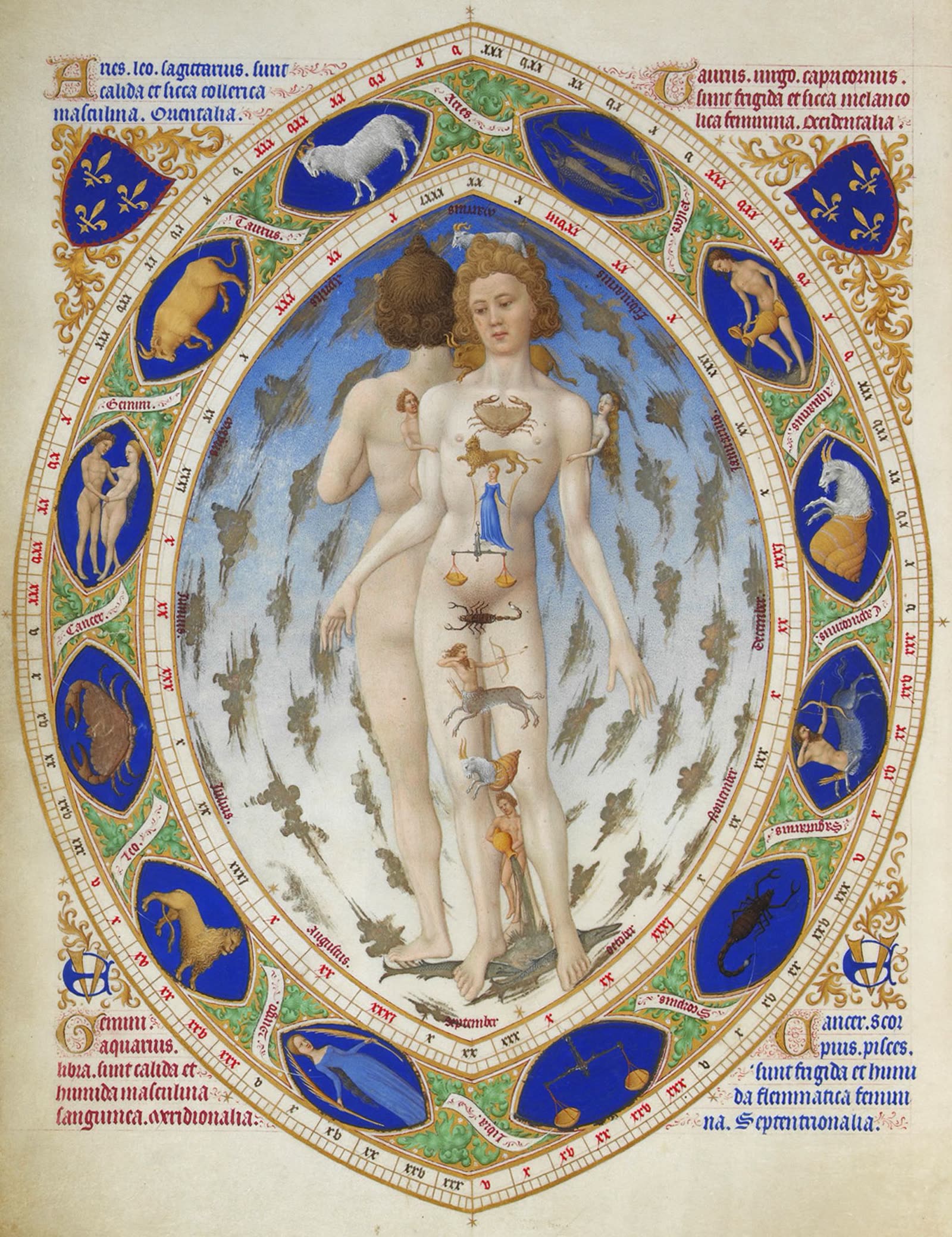
“I’m a Scorpio, but I don’t recognize myself at all.”
We hear it almost every week. And the person is right.
Your zodiac sign, the one in magazine horoscopes, is simply the position of the Sun on the day you were born. One planet. A single point on a huge circle.
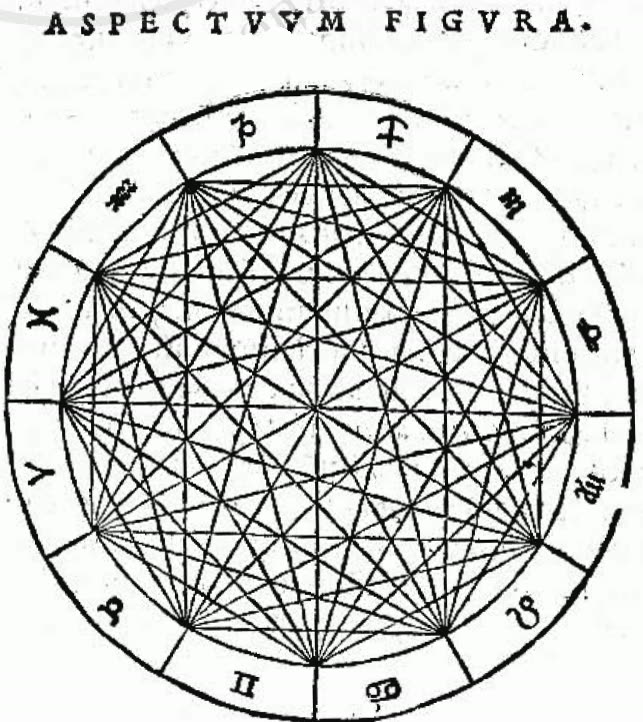
Yet at the second you were born, the sky held the Sun, the Moon, Mercury, Venus, Mars, Jupiter, Saturn, Uranus, Neptune and Pluto. Each one in a sign. Each one in a precise sector of the sky, which astrologers call a house. All linked to one another by angles.
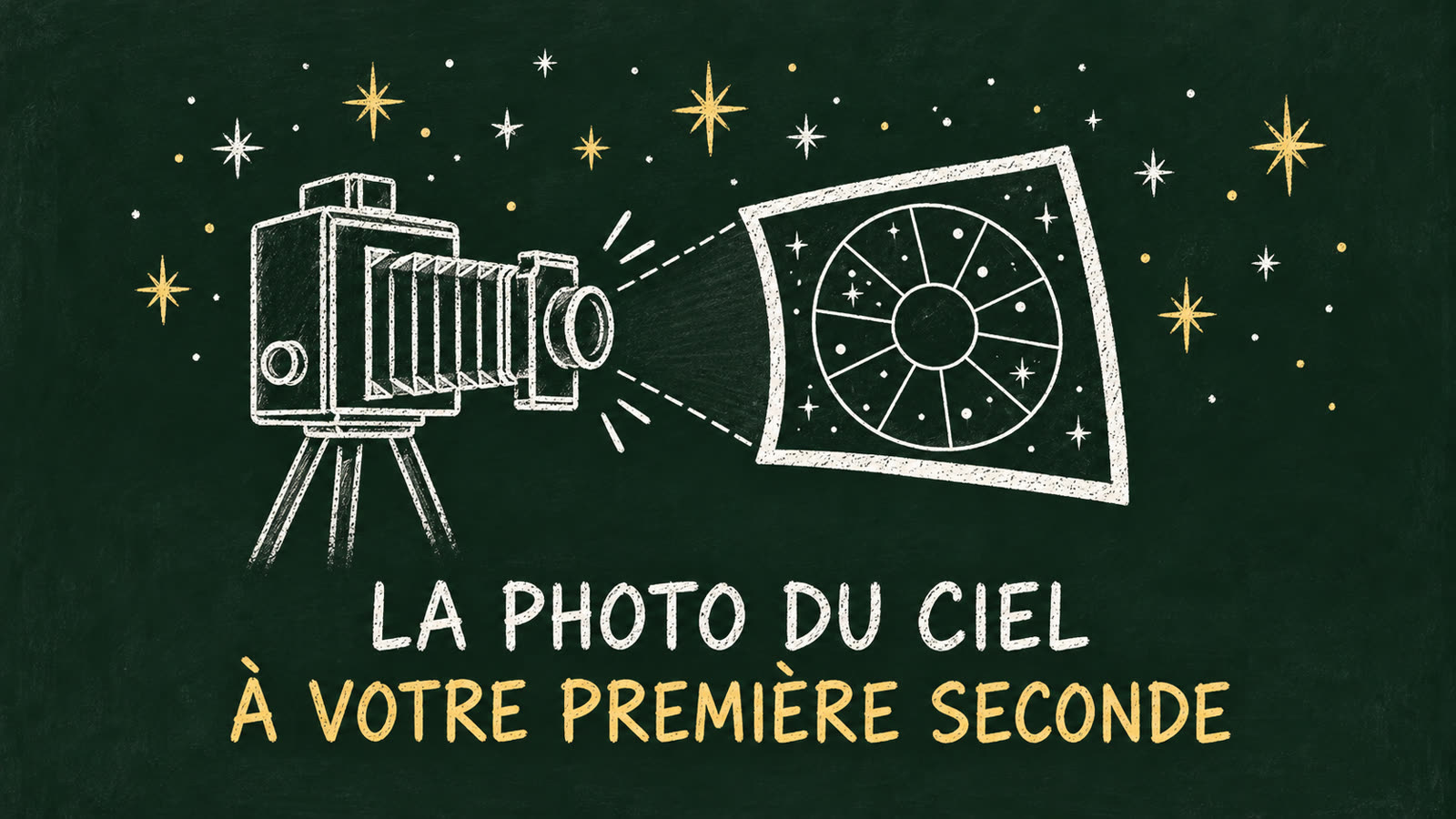
The full photograph of that sky is your natal chart. And the difference from your sign is the difference between an ID photo and a film.
Three points to start with
If you were to remember only three elements of your chart, these would be the ones.
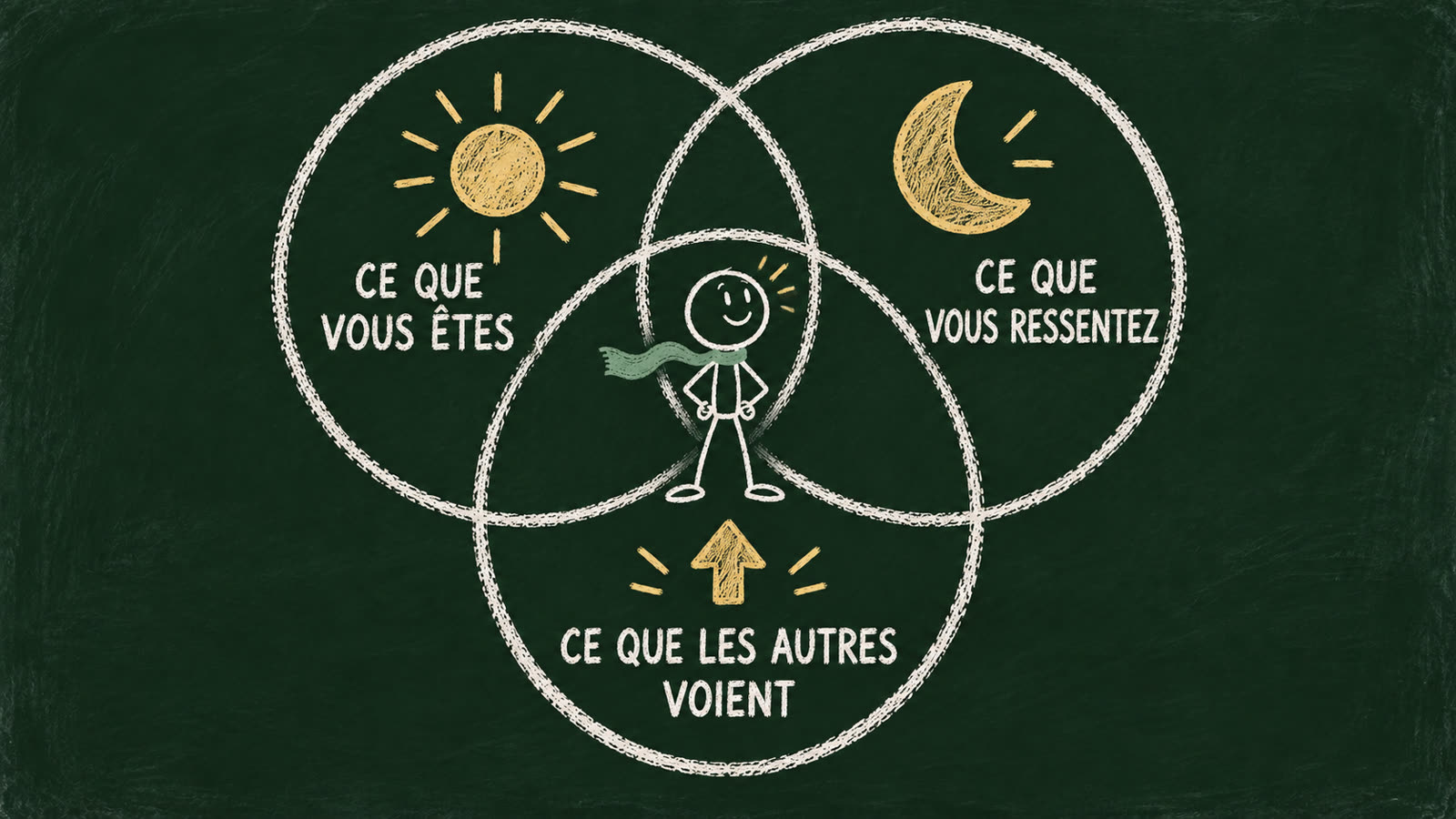
The Sun: what you are. Your direction, your life energy, what makes you shine. It is your “official” sign.
The Moon: what you feel. Your deep needs, your reactions, what reassures you. Many people recognize themselves more in their Moon than in their Sun, because it is the part of them they live from the inside.
The Ascendant: what others see. The sign rising on the eastern horizon at the second of your birth. It is the way you walk into a room, your first impression, the style of your life. It changes about every two hours, which is why the time of birth matters so much.
A Sun in Leo, a Moon in Virgo and a Capricorn Ascendant is not at all the same person as a Sun in Leo, a Moon in Aries and a Libra Ascendant. Same sign in the magazines. Two different lives.
Calculate your Sun and your Moon
Here are the first two pieces of your portrait. With your time of birth, we add your Ascendant.
For entertainment and self-reflection.
If your Moon speaks to you more than your Sun, you are not alone. It is even one of the most frequent discoveries among people who see their chart for the first time.
For the whole wheel, with all the planets and the twelve houses, open your free birth chart.
What we read in a chart
When we read a chart, we don’t recite a list of positions. We look for the story that sky is telling. There is always a thread.
First we look at where the energy is concentrated. Some charts have five planets in the same house: the whole life revolves around one area, partnership, work, travel, family. Others are spread everywhere: rich lives, sometimes scattered.
Next we look at the planets of luck. Where are Jupiter and Venus? In which house, in which sign, and what links do they form with the rest of the chart? That is where your ease lies, your natural doors.
We also look at what resists. Saturn, the difficult angles between planets. These are the areas where life asks for effort, but also where the most solid achievements are built. A well-understood Saturn often becomes the backbone of a career.
Finally, we look at what is brought forward: the planets close to the angles of the chart, the Ascendant and the Midheaven. They are like spotlights. They color the whole person.
Kepler drew up charts
People often imagine astrology is a matter for dreamers. History says otherwise.
Johannes Kepler, the astronomer who discovered the laws of planetary motion, the ones NASA still uses, drew up natal charts. In 1608, he calculated the chart of a young Bohemian nobleman whose name he officially did not know: Albrecht von Wallenstein. He described an ambitious, restless character, hungry for power. Wallenstein became the most powerful warlord of his time. Years later, he asked Kepler for a new reading.
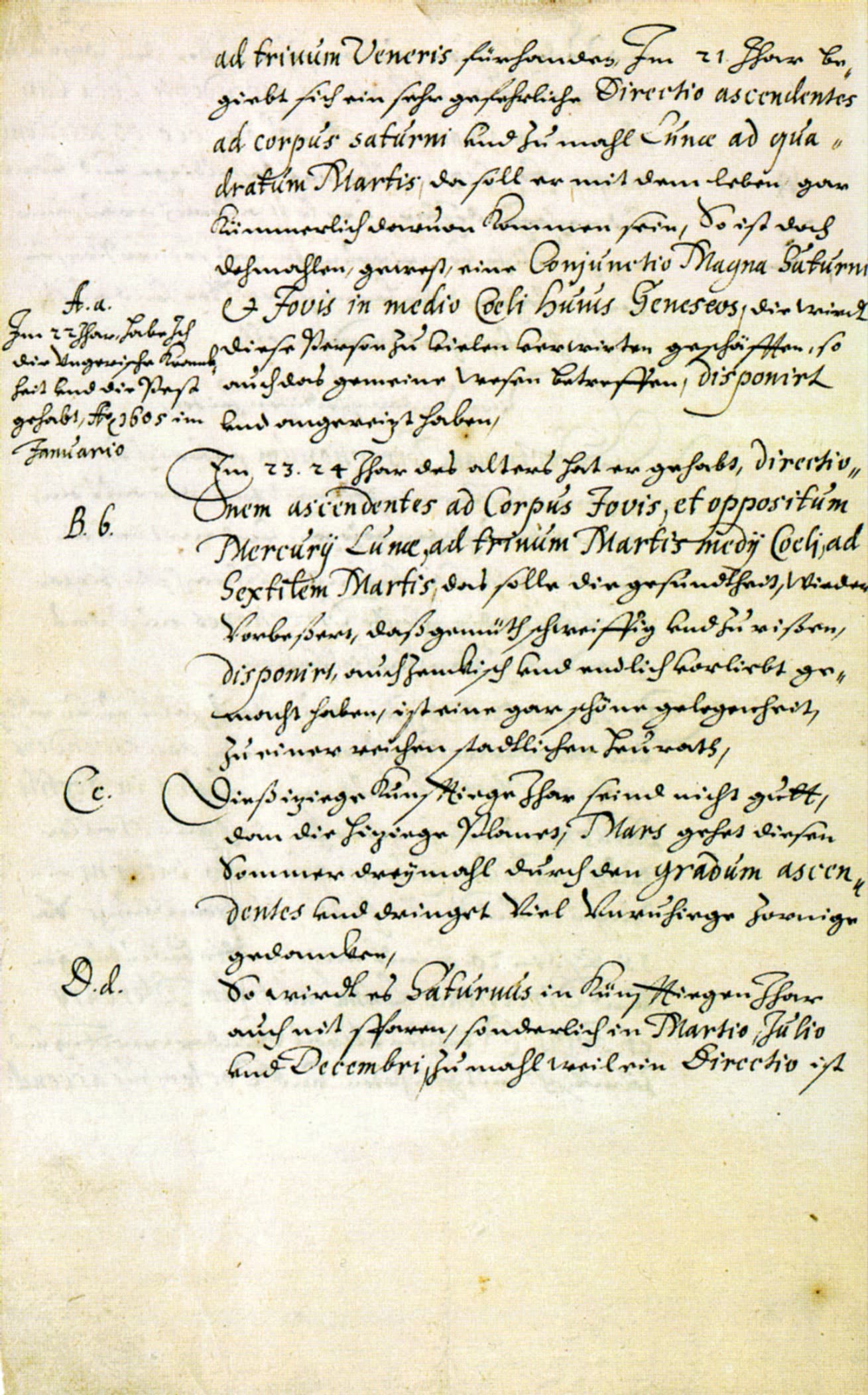
Kepler himself distrusted astrologers who promised everything. But he believed the birth sky imprinted something on a person, and he spent his life trying to find out what.
Why the exact time matters
Here is a number to help you understand.
The sky turns. In four minutes, the Ascendant moves forward by about one degree. In two hours, it changes sign. The houses, which describe the areas of life, turn with it.
Two twins born twenty minutes apart have the same Sun, the same Moon, the same planets. But their houses can be shifted, and their lives can take different directions. That is one of the reasons the time of birth is the most precious piece of data in astrology.
Your time of birth appears on your full birth certificate, which the registry office of your birthplace can issue. It is often free, and it is really worth looking for. (In the US and the UK, the time is not always recorded: ask for the long-form certificate, or check hospital and family records.)
And if you don’t know it? We can still read a great deal: the signs of all the planets, their relationships. In some cases, the time can also be found again from the major events of your life. It is long work, which the workshop sometimes does.
A map, not a prison
Here is what we tell everyone who comes to us.
Your natal chart doesn’t decide your life. It describes the terrain. Sloping ground, flat ground, rocky ground, fertile ground. You can build anywhere. But you don’t build the same way.
What a reading brings is time saved. Instead of spending twenty years discovering by trial and error that you are made for human contact rather than an isolated office, or that your best years are ahead of you, you see it on the map. And you can act accordingly.
The luckiest people, as we have seen for twenty years, are not the ones with the most beautiful chart. They are the ones who know their chart and play to their strengths instead of fighting them.
And now, you
- Write down your Sun and your Moon, with the calculator above.
- Look for your time of birth, if you don’t have it.
- Ask yourself one question: in which area of my life do I feel I am swimming against the current? That is often where a chart sheds the most light.
And if you want the full portrait, with your houses, your aspects, your areas of luck and what your sky asks of you, the workshop does it for you.
Frequently asked questions
What is the difference between a sign and a natal chart?
Your sign is the position of the Sun at your birth. The natal chart is the complete map of the sky: all the planets, their signs, their houses and their relationships.
What is the Ascendant?
It is the sign that was rising on the eastern horizon at the moment of your birth. It describes the way you approach life and the image others perceive of you. You need the time of birth to calculate it.
Where can I find my time of birth?
On your full birth certificate, which the registry office of your birthplace issues on request. A baby book or family memories can also help.
Can a chart be read without the time of birth?
Yes, in part: the signs of the planets and their relationships remain valid. The Ascendant and the houses need the exact time.
Was Kepler an astrologer?
Yes. Johannes Kepler, the astronomer of the laws of planetary motion, drew up natal charts, including Wallenstein’s in 1608, while criticizing the excesses of the astrologers of his time.