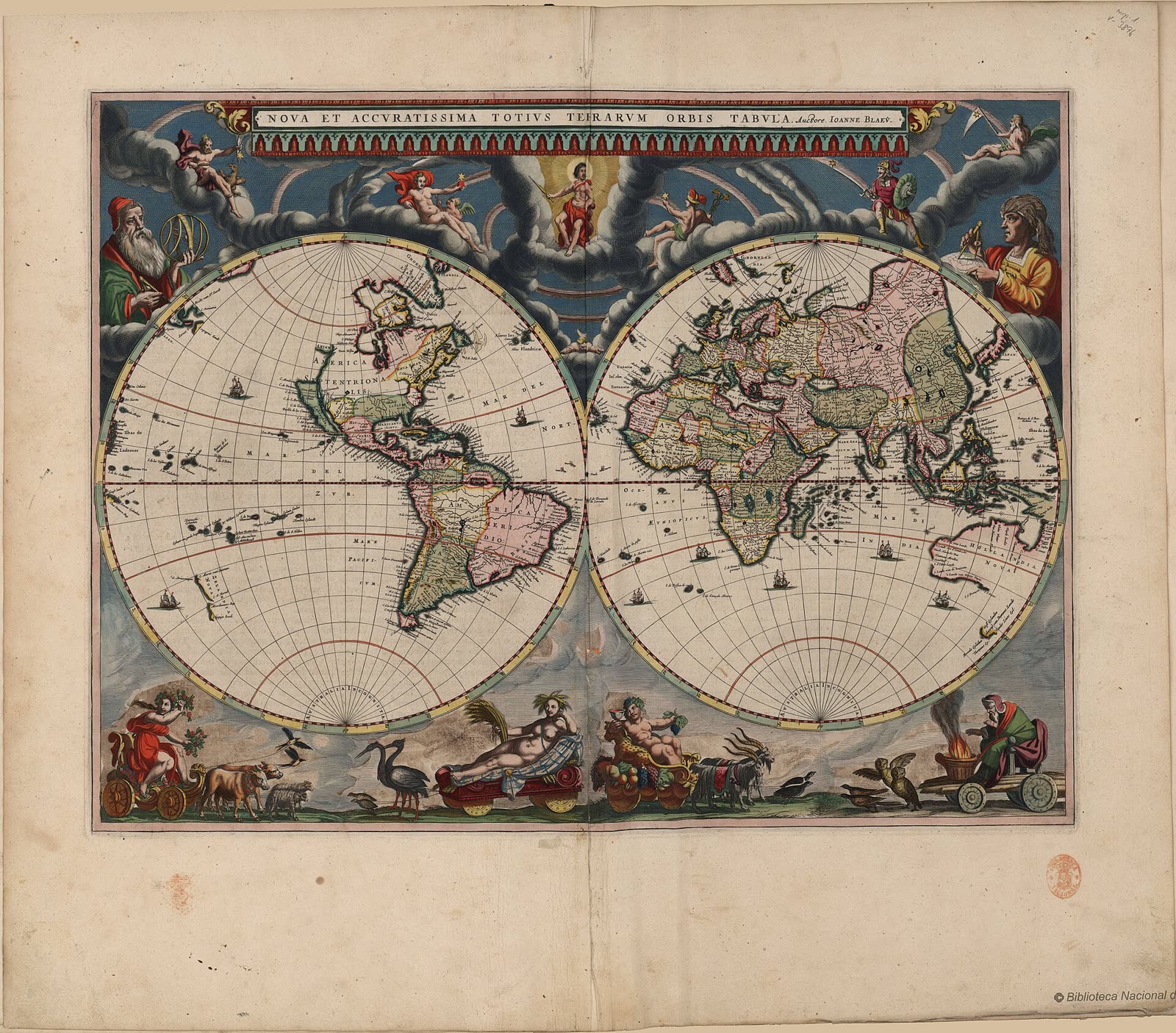
There are places where you breathe more easily.
You arrive there for the first time and, for no obvious reason, something relaxes. Meeting people comes more easily. Ideas flow. You sleep well. And there is the opposite: cities where, despite all your efforts, nothing clicks.
We put it down to the weather, the people, chance. But in the 1970s, an American astrologer offered another explanation. And he turned it into a map.
The man who drew the sky on the Earth
His name was Jim Lewis. His idea was brilliantly simple.
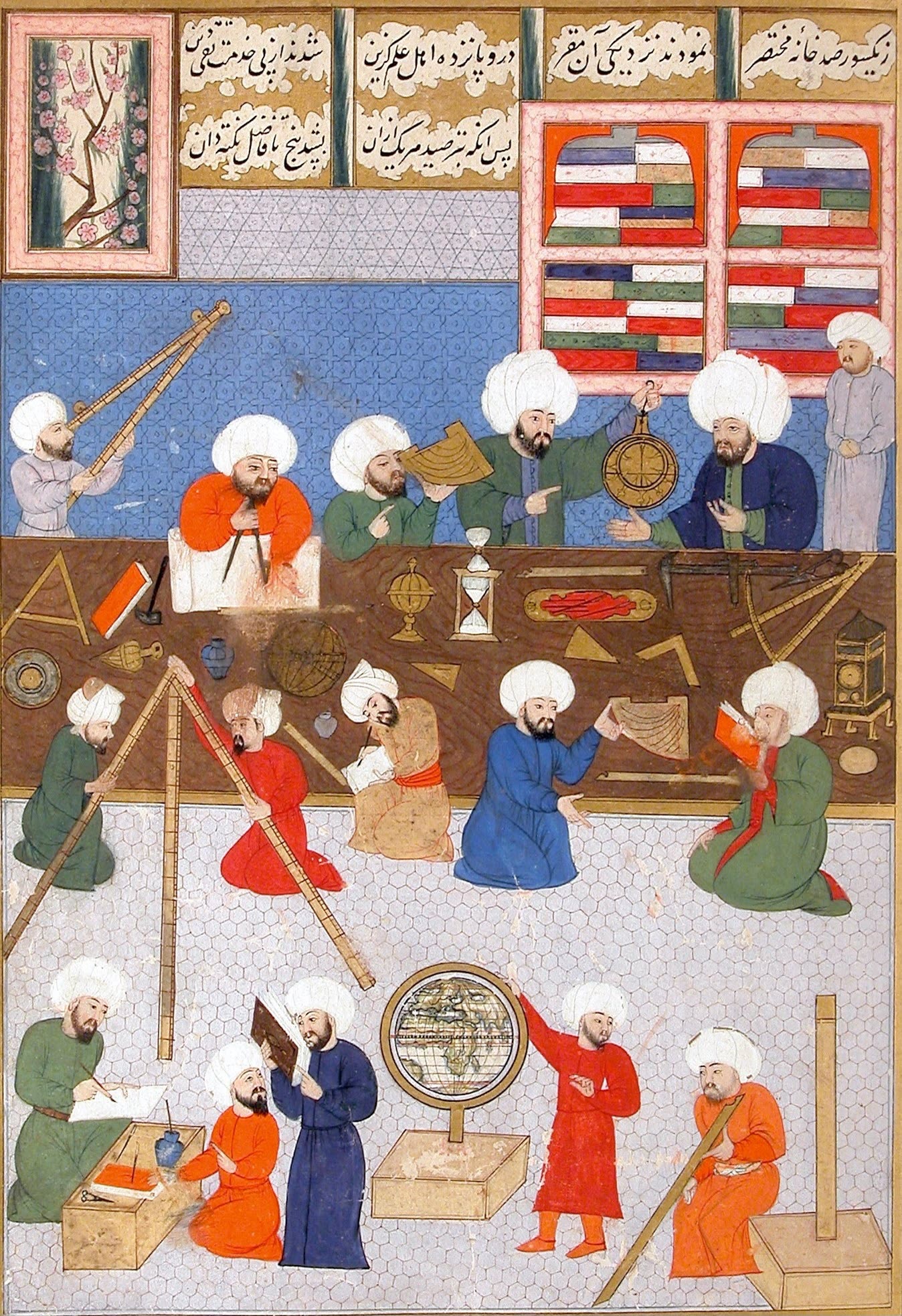
At the second of your birth, each planet was somewhere above the Earth. At that precise instant, there was a place on the globe where the Sun was exactly at the zenith. A place where Venus was rising on the horizon. A place where Jupiter stood at the highest point of the sky.
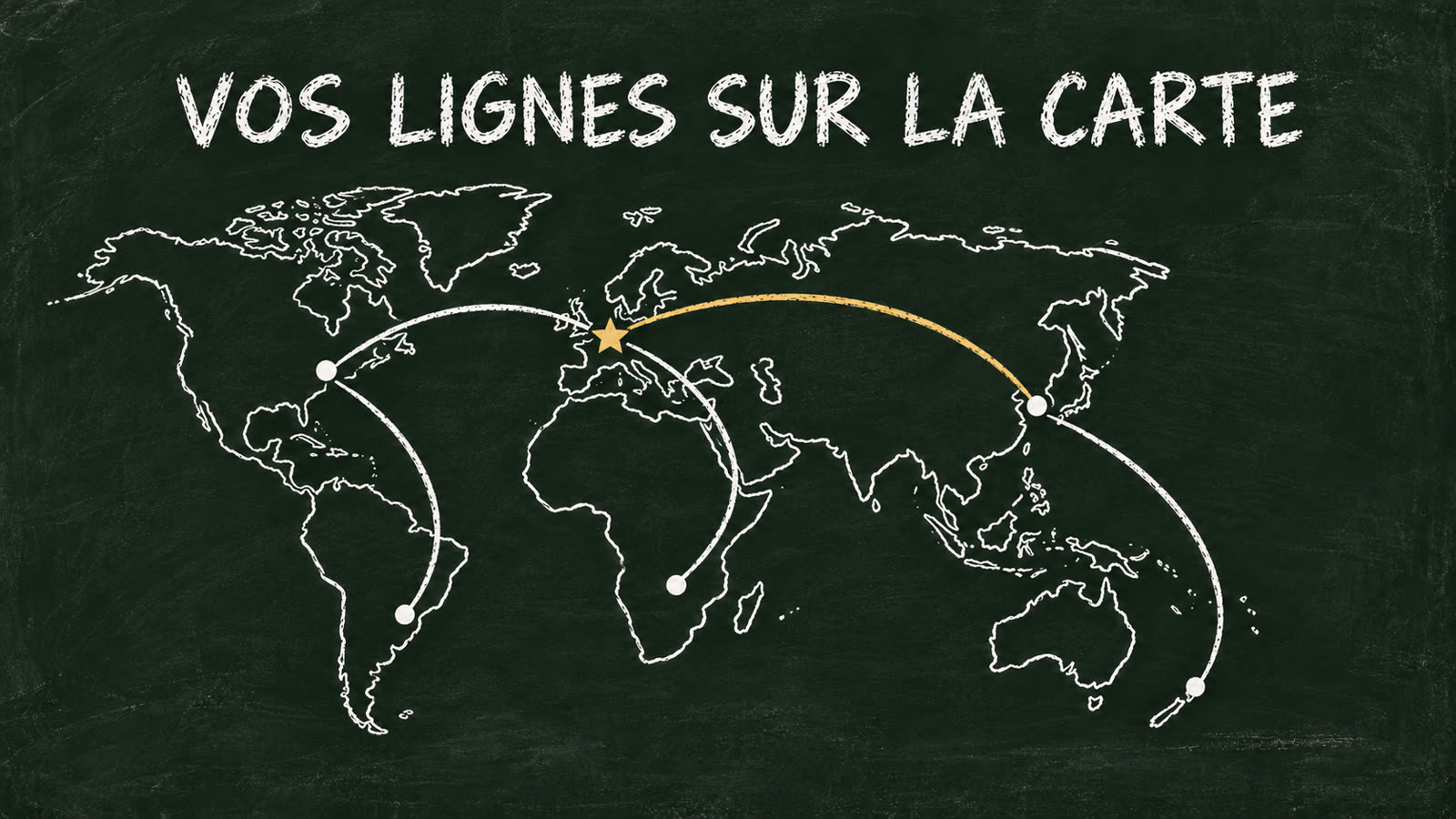
If you join all those points, you get lines that wind across the world map. One line for each planet, at each angle: rising, setting, culminating, and passing beneath the Earth.
Lewis called it AstroCartoGraphy. He spent twenty years checking, with his clients, what happened when people lived under this or that line. His maps, printed on paper at first, became a classic.
What a line does
The idea is this: when you live or stay near a line, the matching planet becomes more present in your life. As if someone turned up the volume.
A few examples, keeping it simple:
- The Venus line: love, beauty, pleasure, easy relationships. Many people meet someone there, or simply feel more lovable.
- The Jupiter line: expansion, luck, abundance, career opportunities. It is the most sought-after line.
- The Sun line: recognition, visibility, self-confidence. You shine there.
- The Moon line: family, home, intuition, the public. You feel at home there.
- The Mercury line: exchanges, studies, trade, writing.
- The Mars line: energy, action, competition. Stimulating, sometimes too much.
- The Saturn line: effort, discipline, structure. You work hard there, you build. It is not a vacation spot.
The same city can be wonderful for you and difficult for your partner. It all depends on each person’s birth sky.
Same you, another place
Here is what has fascinated us ever since we discovered this technique.
You stay exactly the same person. Same character, same past, same natal chart. But by changing place, you change the part of you that is brought forward.
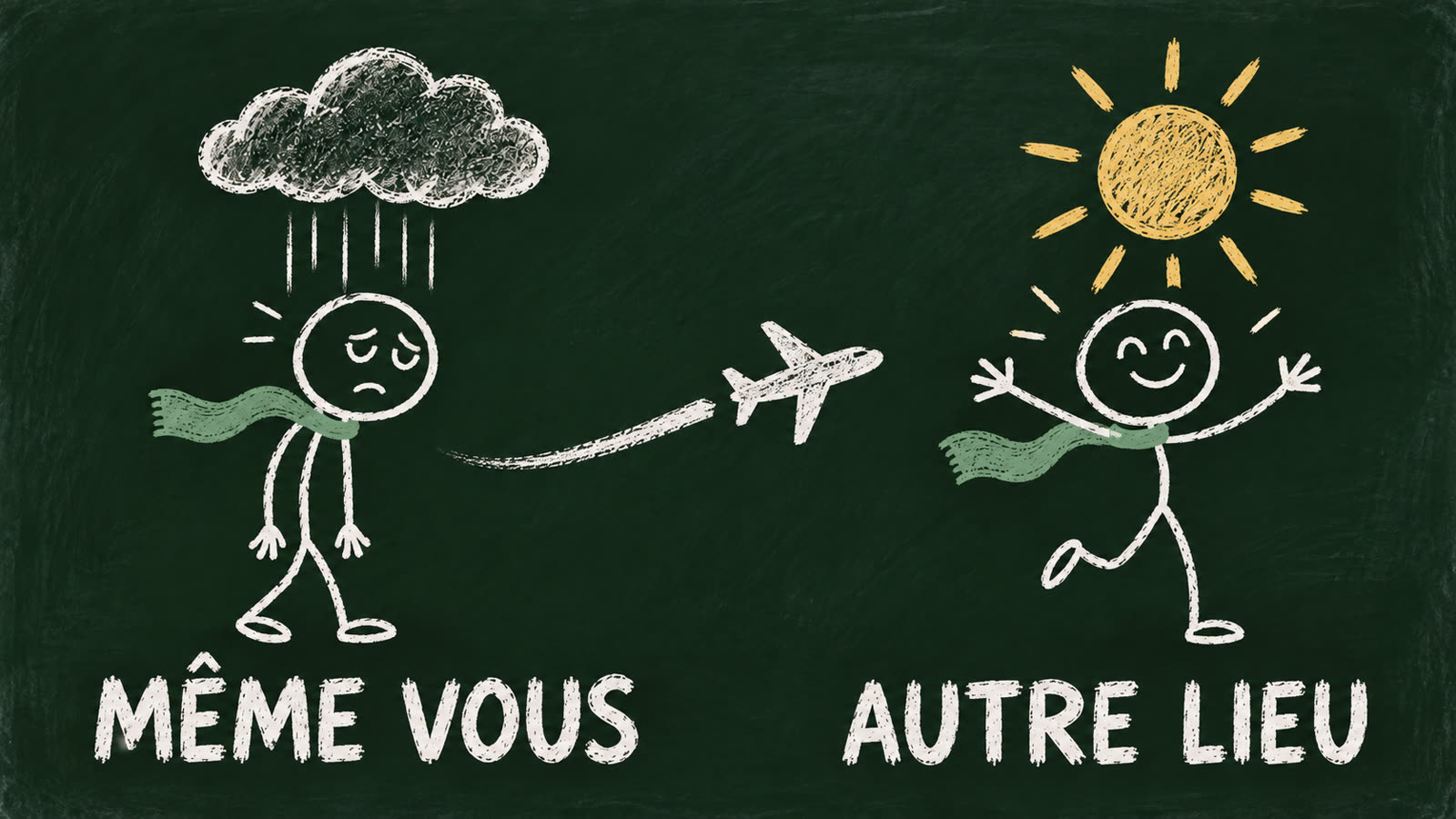
In Brussels, perhaps your Saturn is on an angle: you work seriously there, you carry responsibilities. In Lisbon, perhaps it is Venus that rises: the same person becomes lighter, more sociable, more creative. In Montreal, Jupiter culminates: professional doors open.
It is not magic. It is a way of choosing which version of yourself you want to feed.
What it is for, in practice
People ask the workshop for an astrocartography for four reasons, almost always the same.
1. A move. They are hesitating between two cities, or two countries. The map doesn’t decide for them, but it adds a piece of information nobody else will give them.
2. A posting abroad for work. Before accepting a job in Dubai, Singapore or New York, they want to know what the sky brings forward there. Sometimes they then choose the second offer rather than the first, for good reasons.
3. A trip with a purpose. A trip to meet someone, to rest, to write a book, to think about your life. You don’t choose the same destination.
4. The birthday trip. It is the most powerful combination: choosing the place where you spend the moment of your solar return, taking into account both the chart of the year and the birth lines. That is the art of the birthday trip.
What the map does not say
We prefer to tell you clearly.
A Jupiter line won’t shower you with cash. A Venus line doesn’t promise great love. A Saturn line is not a curse: many people have built their careers there.
The map shows tendencies. It tells you where the wind is at your back. The rest depends on what you do there: the people you meet, the risks you take, the energy you put in.
And the map doesn’t replace common sense. The cost of living, the language, family, health, safety: all of that counts too. Astrocartography adds to your criteria. It doesn’t replace them.
A simple experiment to try at home
Even before seeing your map, try this exercise.
- List three cities where you felt particularly good, alive, lucky.
- List three cities where nothing worked.
- Write down what happened there: people you met, work, your morale, money.
When we then draw someone’s map, we often find their happy cities near a Venus, Jupiter or Sun line. It is not systematic. But when it happens, the person never looks at a world map the same way again.
And now, you
Your world map already exists. It was drawn at the second of your birth. The question is simply where your lines run, and whether you live on the right side of them.
If you are preparing a move, a posting abroad, an important trip or your next birthday, the workshop draws your lines and tells you which cities serve what you are looking for.
Frequently asked questions
What is astrocartography?
It is a technique that projects the positions of the planets at your birth onto the world map. It shows, as lines, the places where each planet was on the horizon or at the highest point of the sky.
Who invented astrocartography?
The American astrologer Jim Lewis developed it and spread it from the 1970s onward, under the name AstroCartoGraphy.
Do I need my time of birth?
Yes, and a precise one: a one-hour error moves the lines by about fifteen degrees of longitude, more than a thousand kilometers (over 600 miles) at European latitudes.
Is a Jupiter line a promise of luck?
No. It shows a tendency: a place where Jupiter, the planet of expansion, is brought forward in your life. What you make of it is up to you.
Can I use astrocartography without moving?
Yes: to choose a trip, a vacation spot, or the place to spend your birthday, at the moment of the solar return.