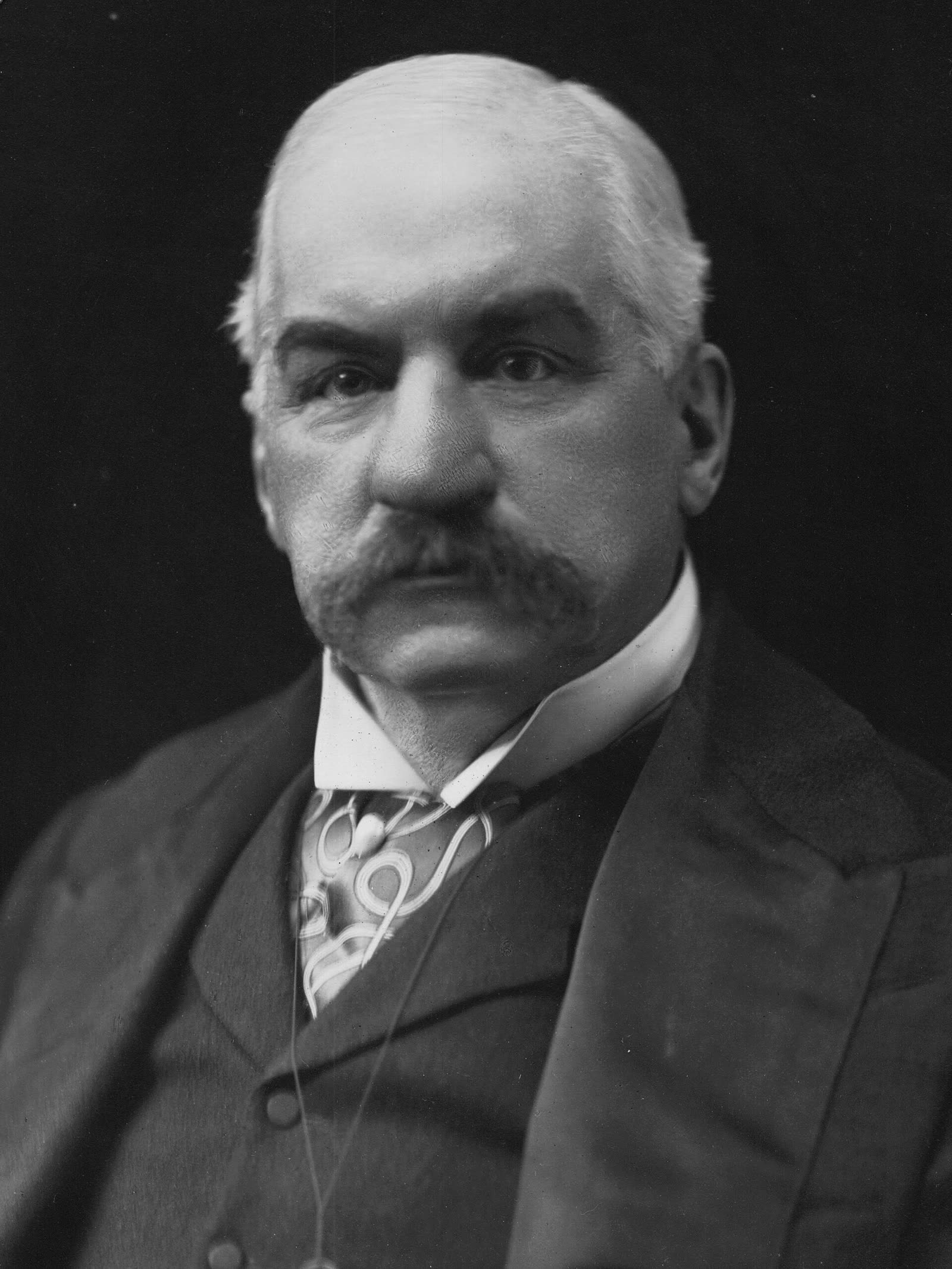
There is a line attributed to J. P. Morgan, the most powerful banker of his time:
Millionaires don’t believe in astrology. Billionaires do.
Line attributed to John Pierpont Morgan
We’ll be honest with you from the very first line, because that is how we work: no one has ever found a written source where Morgan says exactly that. The line has been passed from book to book for decades. It may well be apocryphal.
But what is documented is almost more interesting than the quote.
The woman Wall Street consulted
At the turn of the 20th century, in New York, a woman receives clients in a studio above Carnegie Hall. Her name is Evangeline Adams. She comes from an old New England family, related, she said, to two presidents of the United States. She is an astrologer.
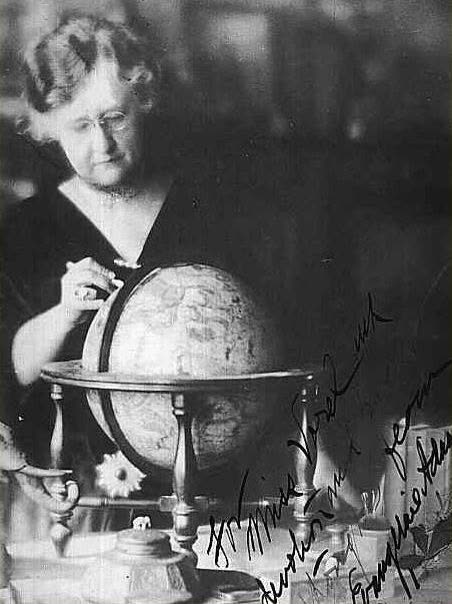
In her memoirs, she says J. P. Morgan was one of her clients, and that he asked her about the markets, politics, and the right moment to act. Here again, this is her testimony, not a bank document. But Adams was no neighborhood fortune teller. Her clients included artists, industrialists and Broadway celebrities.
In 1914, she was arrested for “fortune telling”, an offense in New York. At the trial, she asked the judge to give her the date, time and place of birth of someone she didn’t know. She read the chart in front of the court. According to the account that made her legend, the person was the judge’s son. What is certain is that the judge acquitted her, declaring that she had raised astrology “to the dignity of an exact science”.
A few years later, her radio show was followed by millions of Americans.
The queen who had her date chosen
Let’s go back three and a half centuries.
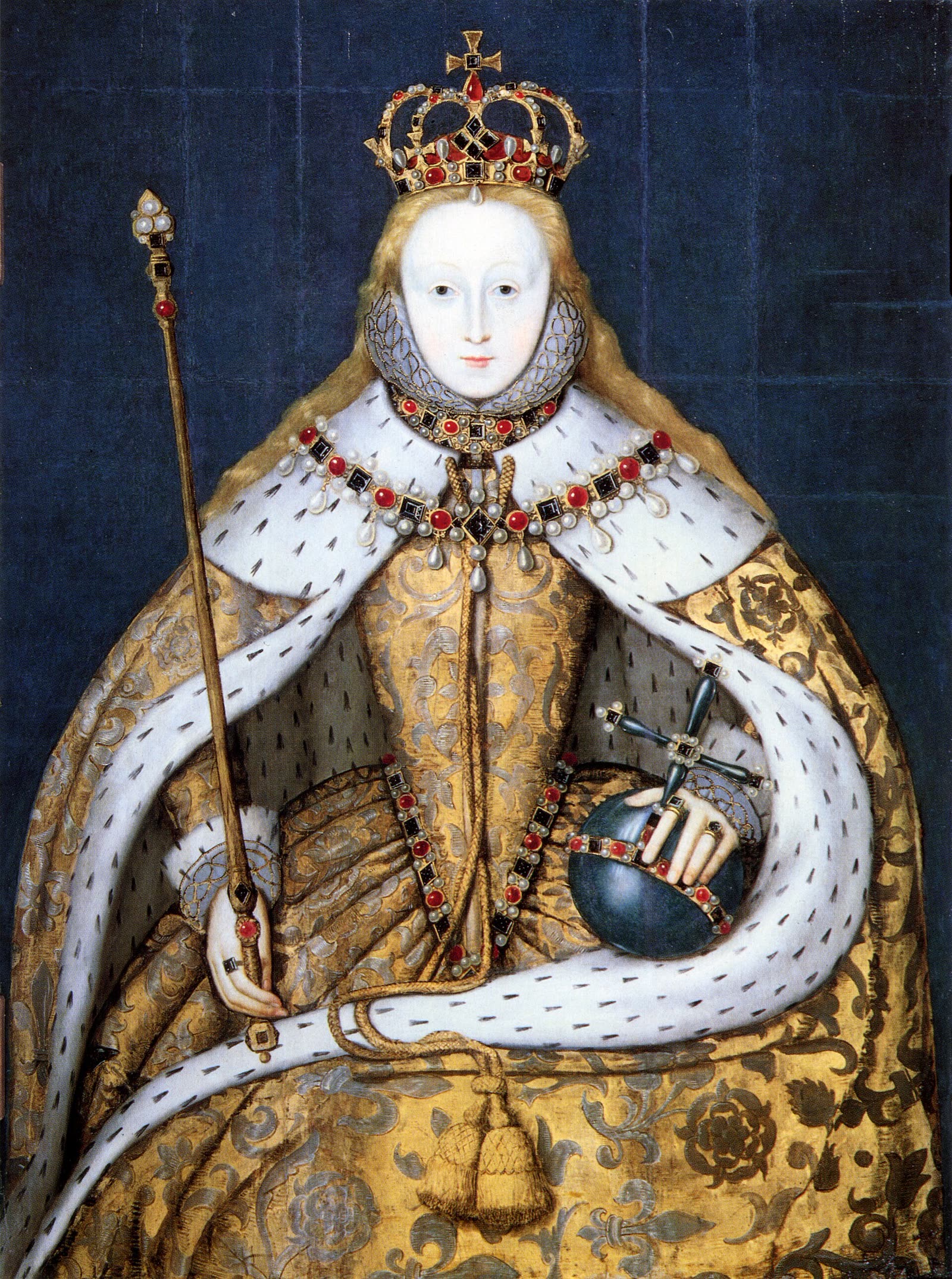
In November 1558, Elizabeth I became queen of England. Before setting the date of her coronation, she called on John Dee, the most astonishing scholar in her kingdom: mathematician, geographer, adviser to the navy, librarian, and astrologer.
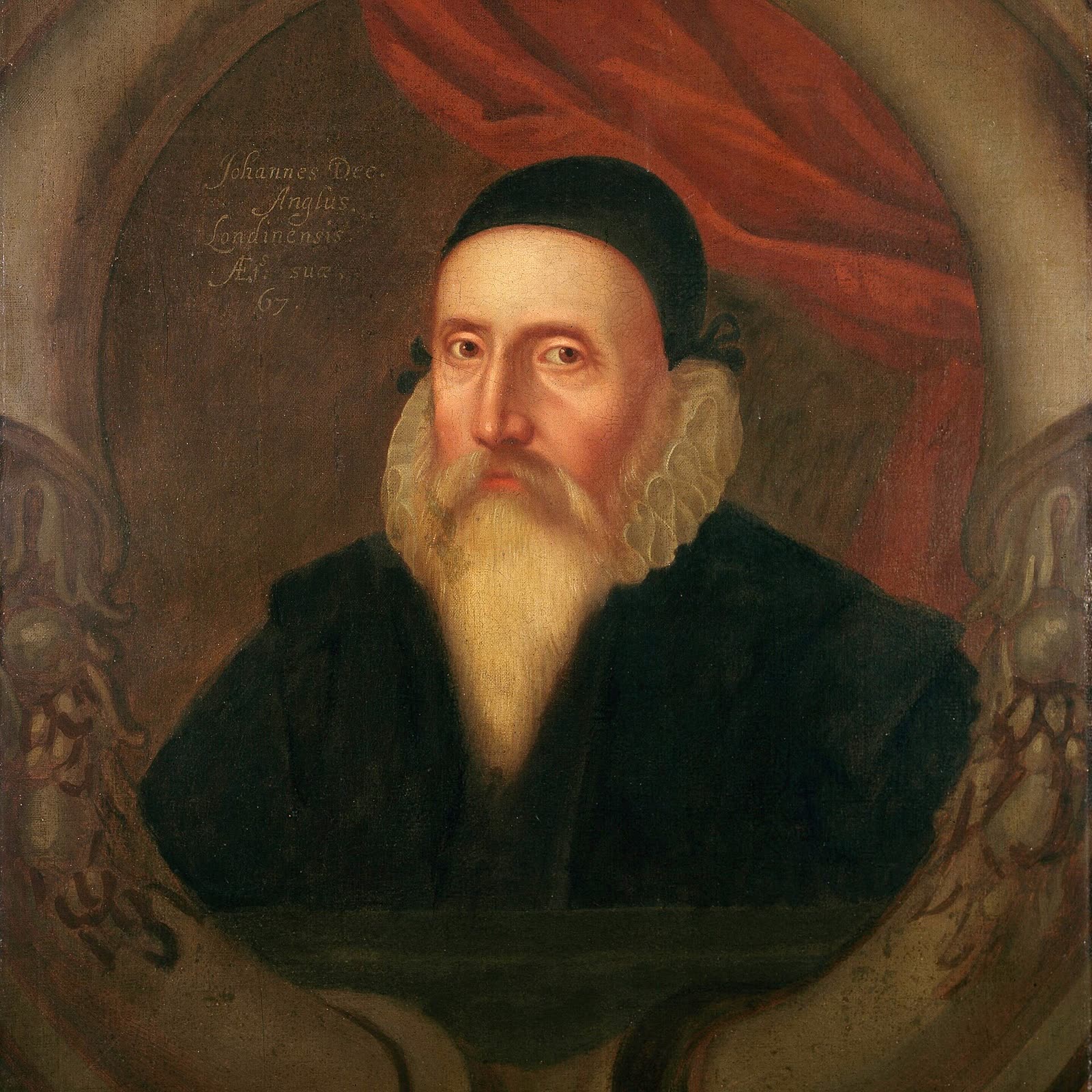
Dee studied the sky and chose a date: January 15, 1559. That is the day Elizabeth was crowned at Westminster.
She would reign for forty-four years. Her reign went down in history as the Elizabethan golden age: victory over the Spanish Armada, Shakespeare, the rise of maritime trade. We could argue forever about the role of the stars in all this. But one fact remains: one of the most skillful rulers in history did not leave the moment her reign began to chance.
The White House and the San Francisco astrologer
Let’s jump to the 1980s.
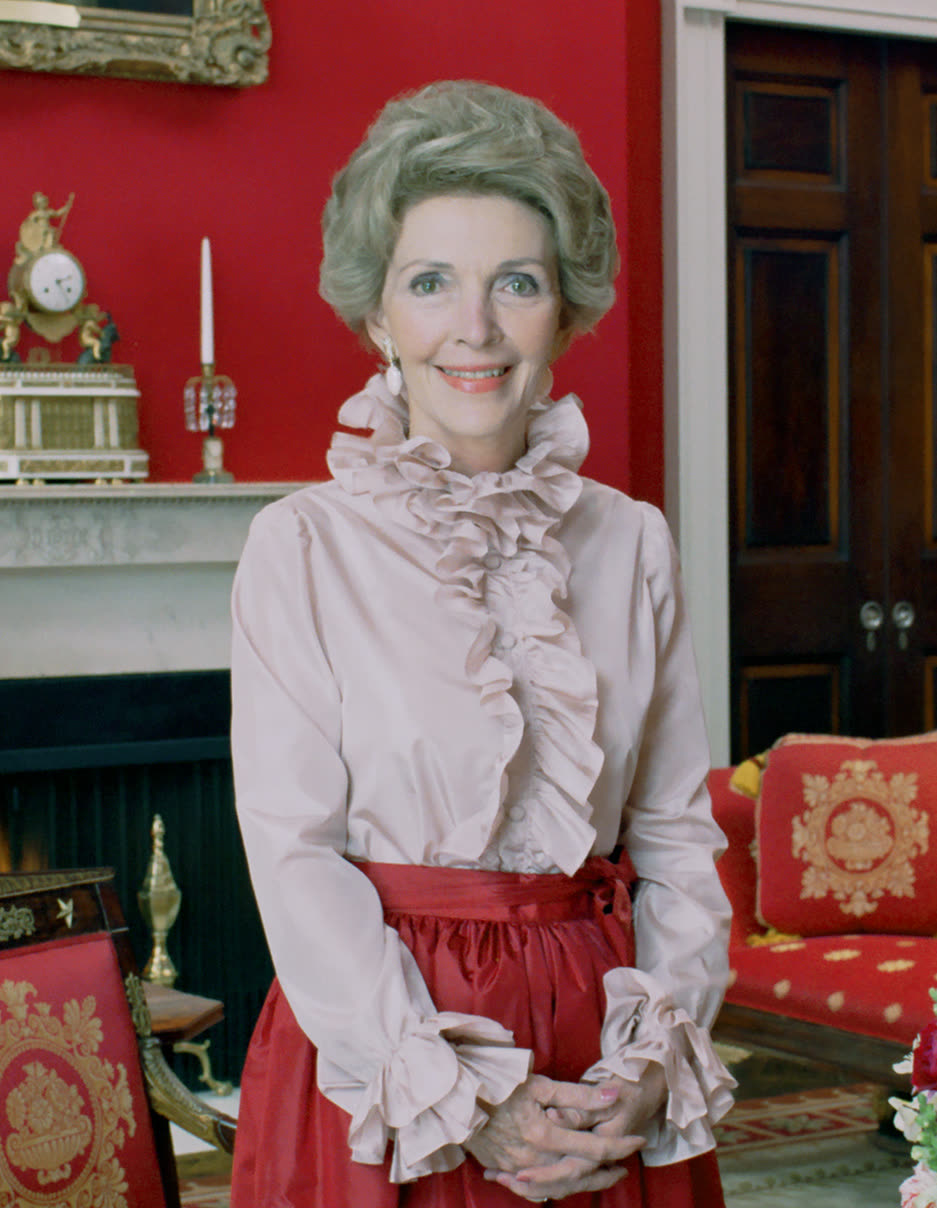
In March 1981, Ronald Reagan was seriously wounded in an assassination attempt. His wife, Nancy Reagan, was shaken. She then got in touch with a San Francisco astrologer, Joan Quigley.
For years, very discreetly, Quigley advised the First Lady on the president’s schedule: the dates of trips, speeches, press conferences, and even some diplomatic meetings.
The story broke in 1988, when the former White House chief of staff, Donald Regan, told it in his memoirs. Nancy Reagan confirmed it in hers, explaining that above all she wanted to protect her husband. Quigley in turn published a book about those years.
So the most powerful man in the world had a schedule partly set by the sky. Not to know what to do: to know when.
What the powerful really ask
That is what all these stories have in common, and it is what interests us.
Ordinary people ask astrology: what is going to happen to me? People who make decisions ask something else. They ask three questions.
- When? Which day, which hour, to sign, launch, announce, leave.
- Where? In which city, which country, which place the sky is most favorable.
- With whom? Which associates, which partners, which alliances.

They are not looking for a prophecy. They are looking for an edge. A small extra percentage, on decisions that weigh heavily.
Think of it like an investor. If a decision commits millions, spending a few hours choosing the best moment is not superstition. It is risk management.
What Antoine has seen
Antoine has had the chance to live and work in places where money moves fast: the United States, the Middle East, the Riviera, Singapore, Hong Kong.
What struck him is that in some cultures, choosing the right moment is nothing esoteric. In Hong Kong or Singapore, many business leaders would not sign a lease, open a shop or set a wedding date without checking a favorable calendar. Nobody hides it. They do it, the way you would consult a lawyer.
In Europe, people talk about it less. But they do it too, more often than you would think.
The three tools of the powerful
If we sum up what these people used, there are three techniques. They are exactly the ones the workshop uses.
1. Electional astrology: choosing the day. That is what John Dee did for Elizabeth. You look for the date and time when the sky supports what you want to begin. We explain it in detail in electional astrology.
2. The solar return: reading the year. Each year has its own sky chart, which begins at the second the Sun comes back to its birth position. It shows which areas will be in the spotlight, and when to push. That is the subject of the solar return.
3. Astrocartography: choosing the place. Some cities put your favorable planets right above your head. Others don’t. That is what the lines of astrocartography show, and what the birthday trip puts into practice.
Why it is not only for billionaires
A hundred years ago, having a chart calculated took hours of work by hand, with ephemeris tables and logarithms. It was a luxury.
Today, Antoine has built his own calculation tools. What took a day takes a few seconds. What remains long, and precious, is the reading: understanding what your sky says, for your question, at your moment in life.
The “when” of the powerful is no longer reserved for the powerful. It is within reach of anyone who has an important decision to make and wants to give it every chance.
The question is not “does astrology work?”. The question is: if bankers, queens and presidents took the trouble to choose their moment, why not you?
And now, you
Take a sheet of paper. Write down the next big decision of your year: a signature, a launch, a move, a request, a trip.
Then ask yourself the three questions of the powerful: when, where, with whom?
If you don’t have the answer, that is exactly where the workshop comes in.
Frequently asked questions
Did J. P. Morgan really say that billionaires use astrology?
The line has long been attributed to him, but no written source from Morgan confirms it. Evangeline Adams, a New York astrologer, wrote that he was one of her clients.
Did John Dee choose the date of Elizabeth I’s coronation?
Yes, it is one of the best-known episodes of his life: he was asked to determine a favorable date, and the coronation took place on January 15, 1559.
Did Nancy Reagan consult an astrologer?
Yes. Joan Quigley advised the First Lady on President Reagan’s schedule after the 1981 assassination attempt. The affair was revealed in 1988 and confirmed by Nancy Reagan herself.
What is electional astrology?
It is the art of choosing the day and time of a beginning: a signature, an opening, a wedding, a trip. You look for the moment when the sky supports the action.
Do you have to be rich to have your moment chosen?
No. The calculations, once long and costly, are fast today. What takes time is the reading, tailored to your question.