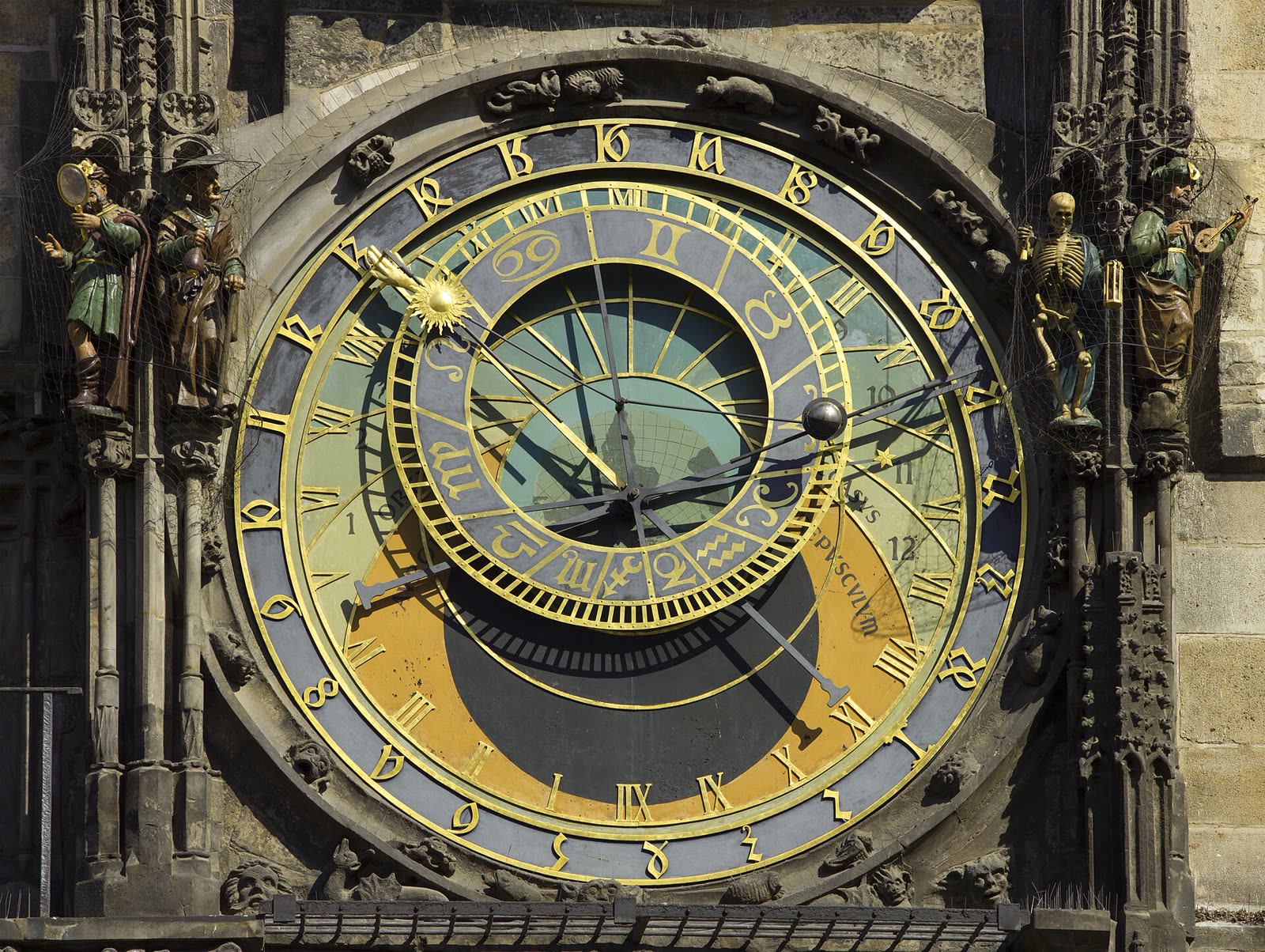
Everything that begins has a birth sky.
Not just people. A company is born the day its articles of incorporation are signed. A marriage is born at the second of the “I do”. A shop is born the day the key turns in the lock for the first time. A contract is born when the last signature goes down.
And if every beginning has its sky, then you can choose that sky. That is the whole idea of electional astrology: the art of choosing the moment.
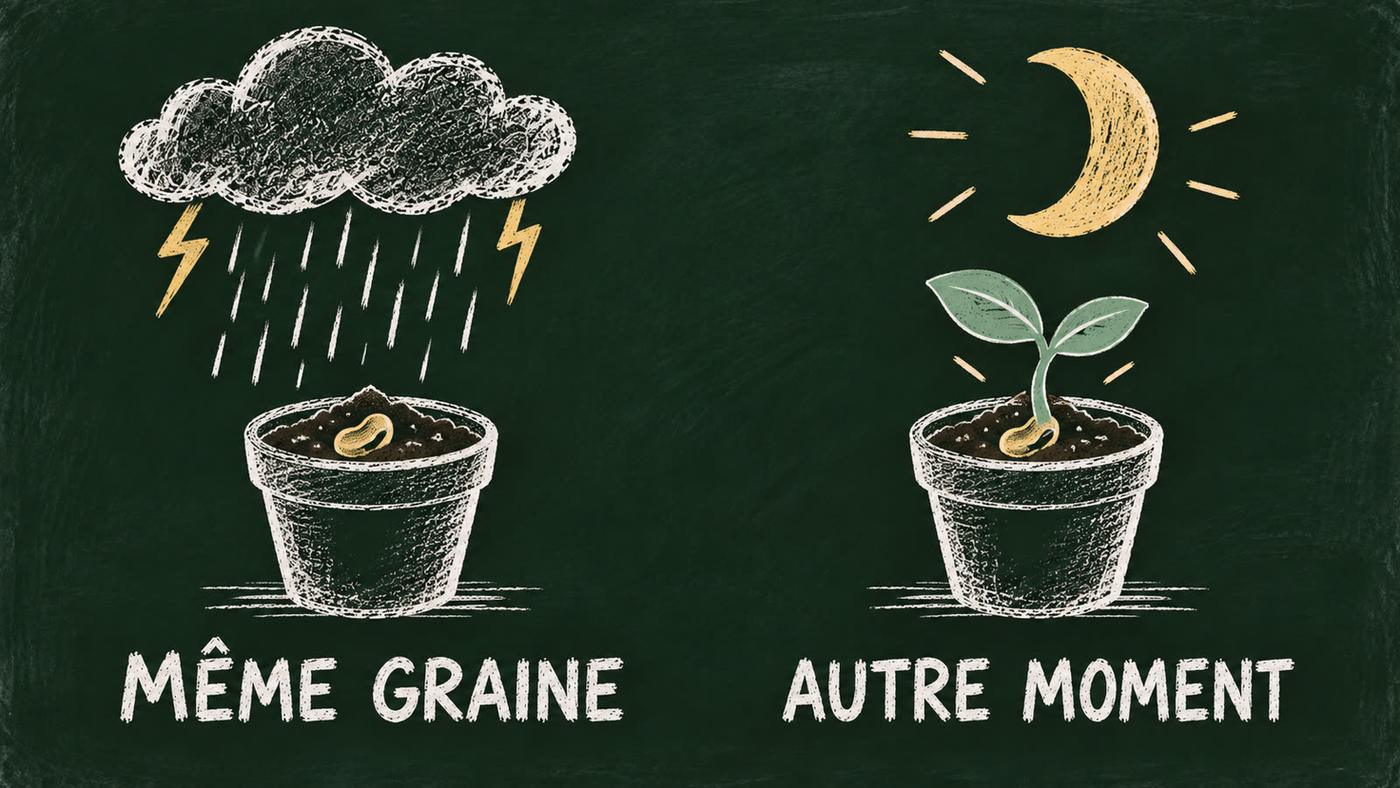
The oldest practical astrology
It is probably the oldest form of astrology, and the one most used by the powerful.
In Babylon, the sky was consulted before the king’s major decisions. In ancient Rome, the day a temple was founded was chosen. In the Middle Ages, Arab astrologers wrote entire treatises on the subject: which day to travel, to buy, to build, to ask a favor.
In 1559, the astrologer John Dee chose the date of the coronation of Elizabeth I of England: January 15. We tell that story in billionaires and astrology.
In India, even today, millions of weddings are set for a date and time chosen by an astrologer. That moment is called the muhurta. It is never improvised.
What we look for in a good moment
We won’t give you the complete method: it needs your natal chart, and dozens of rules that intersect. But here is what we look at first, so you understand the spirit.
1. The Moon. It is the fastest planet, the one that “carries” everyday affairs. We want it waxing to launch, grow, attract. We want it free, that is, about to make a last harmonious contact before changing sign, and not “void of course”. And we want it in a good lunar mansion.
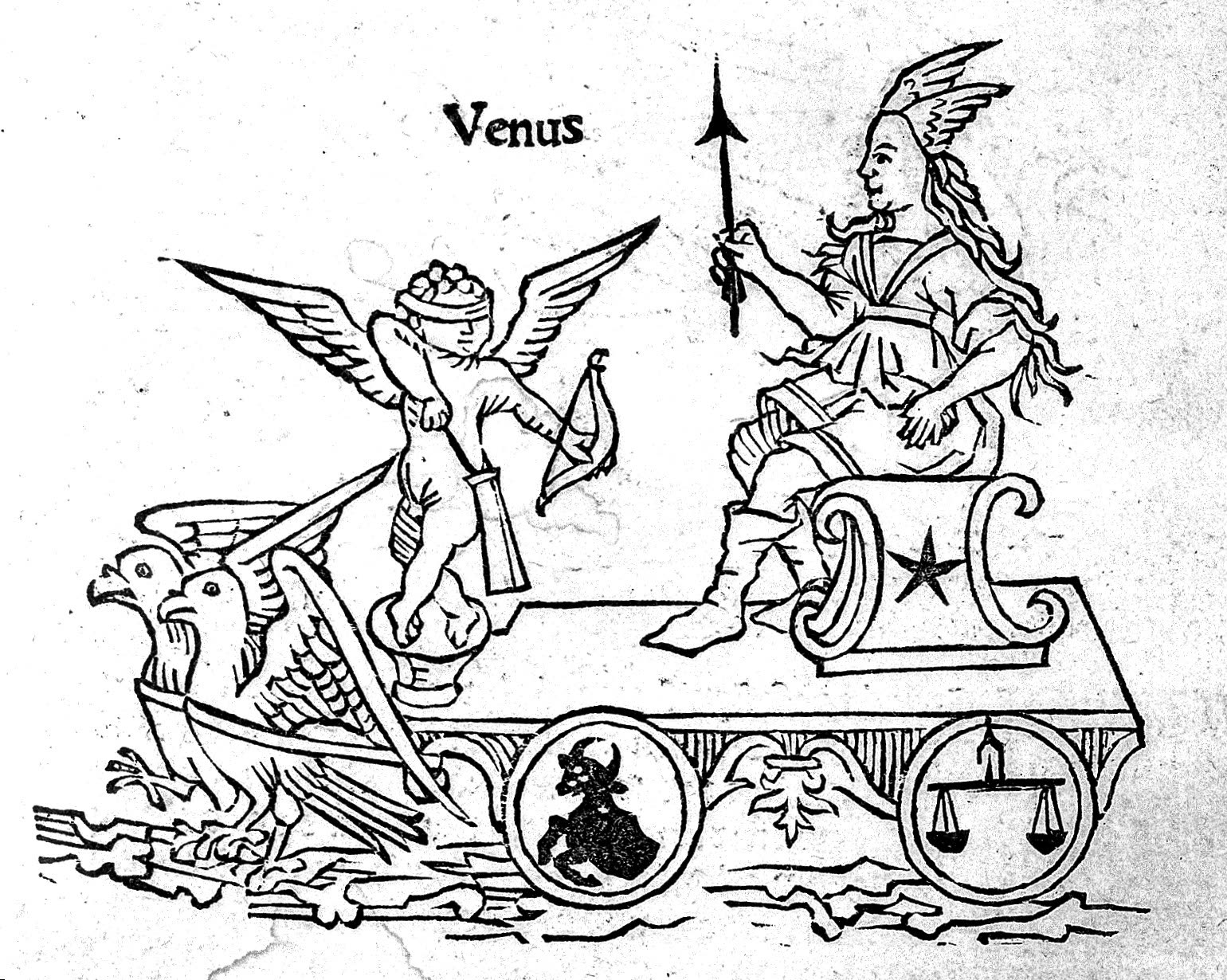
2. The ruler of the matter. For a wedding, we look at Venus. For a contract or anything written, Mercury. For money, Jupiter and the second house. We want that planet strong, well placed, not hindered.
3. The Ascendant of the moment. The chosen time sets the Ascendant of the beginning. We want it in tune with the project, and on good terms with the person’s chart.
4. Your own chart. The best day in the world in absolute terms is not necessarily the best day for you. An electional date is always chosen with your birth sky in mind.
Your next favorable days
We have prepared a first, personal calculation for you. It combines three traditions:
- the star of the day, from Indian astrology: the position of the Moon compared with your birth nakshatra;
- the Moon seen from your natal Moon, a rule of Indian and Arab electional astrology;
- Antoine’s table of lucky days, from the European tradition.
For entertainment and self-reflection.
It is a first sort. It doesn’t replace a full election, which takes into account your precise project and all your planets. But it already gives you an idea of the days when the wind is at your back.
Three mistakes we see all the time
Mistake no. 1: signing while Mercury is retrograde, without knowing it. Three or four times a year, Mercury seems to move backward in the sky. Tradition then advises against contracts, technical purchases, communication launches. It is not an automatic disaster, but if you have the choice, why take the risk?
Mistake no. 2: launching everything under a waning Moon. The waning Moon is excellent for finishing, clearing out, cutting, leaving. It is much less favorable for starting something that has to grow.
Mistake no. 3: choosing a “pretty date” instead of a good sky. 12/12, 8/8, Valentine’s Day. These dates look nice on an invitation. The sky, however, doesn’t read the calendar. A pretty date can fall on a void-of-course Moon or a battered Venus.
The sky doesn’t decide for you. It tells you when the ground slopes gently. Climbing a gentle slope takes less energy than a steep hill.
What do people choose a date for?
Here are the requests the workshop receives most often:
- a wedding or an engagement, the most classic moment;
- setting up a company, signing the articles, opening a shop;
- a launch: a website, a product, a book, a collection;
- an important signature: buying property, an employment contract, a lease;
- a request: a raise, a loan, a job application, a first date;
- a move, moving into a new home;
- a trip, especially leaving to settle somewhere else.
For some of these decisions, you don’t always get to choose the day. But you often get to choose the time, and sometimes that is enough to change the quality of the moment.
Why it is an astrologer’s job
We’ll say it frankly: today there are apps that give you “the day of the month”. They look at the Moon, sometimes two or three rules. It isn’t wrong. But it is far from enough.
A real election means dozens of criteria that contradict each other. A perfect Moon can fall on a difficult Ascendant. A magnificent Venus can be on bad terms with your natal Saturn. You have to weigh them up. And weighing them up is the craft.
That is why Antoine built his own engine: it reviews every hour of the coming weeks, across hundreds of parameters, and shows the best windows. Then each one is read, one by one, with your chart and your project.
And now, you
- Look at your favorable days in the calculator above.
- List the important decisions of the next three months.
- For the most important one, ask the workshop for the right day and the right time. You don’t choose a beginning very often. You might as well choose it well.
Frequently asked questions
What is electional astrology?
It is the branch of astrology that chooses the moment of a beginning: a wedding, a signature, an opening, a trip. You look for the date and time when the sky supports the project.
Is an electional date the same for everyone?
No. The general sky counts, but the best moment also depends on your birth chart and the nature of the project.
Should I avoid Mercury retrograde?
Tradition advises against signing contracts or launching communication projects during these periods, when possible. It is not an absolute ban, but a factor to take into account.
Why a waxing Moon?
Because tradition associates the waxing Moon with what grows and develops. The waning Moon is better suited to what you want to end or reduce.
What if I can’t choose the day?
You can often choose the time. The time sets the Ascendant of the moment, and that can clearly improve the quality of the beginning.