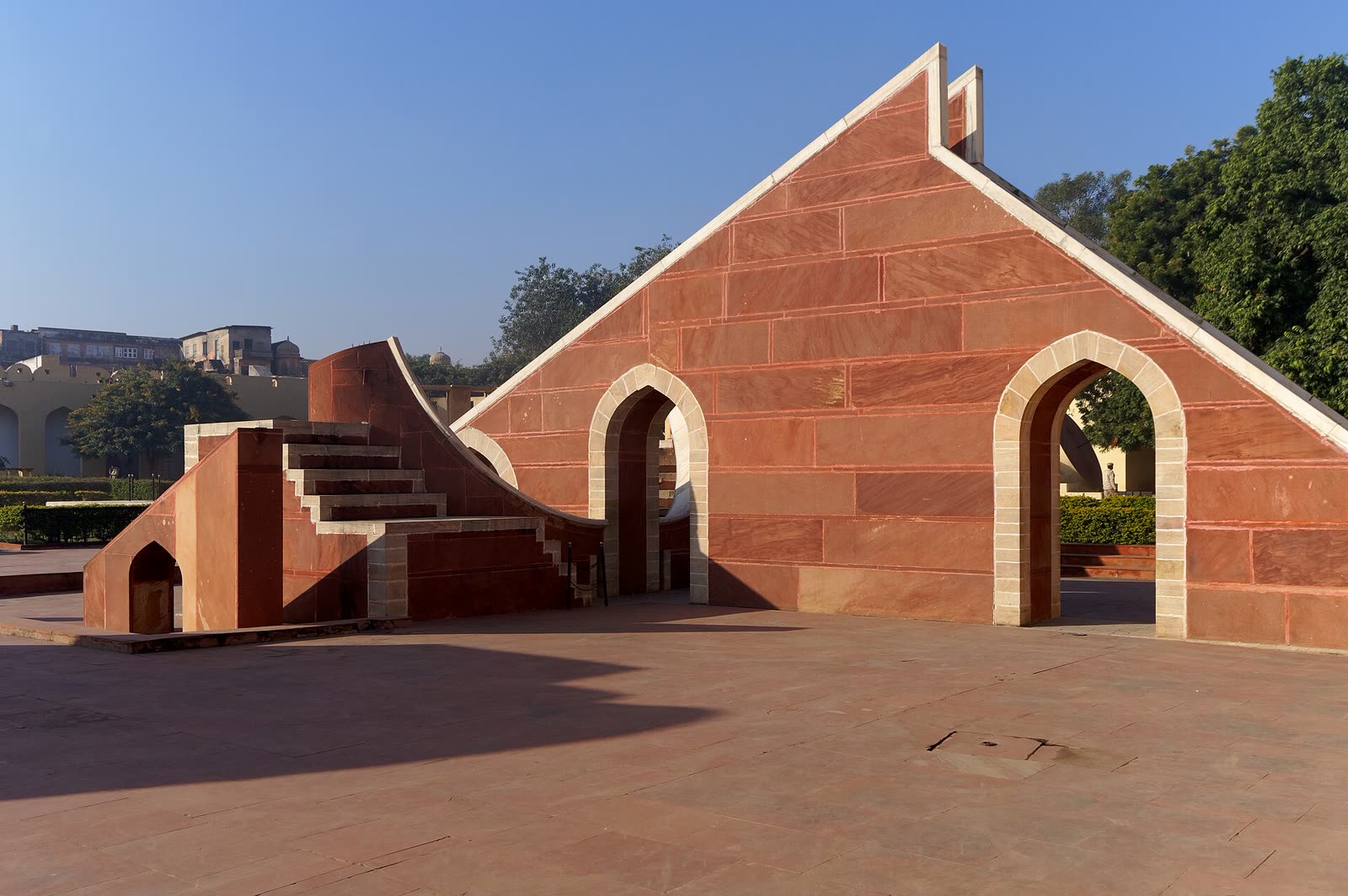
If you tell someone from India that you are an Aries, they may well correct you.
First, because Indian astrology doesn’t count the zodiac the way we do. Second, because it is not your Sun that interests them most. It is your Moon.
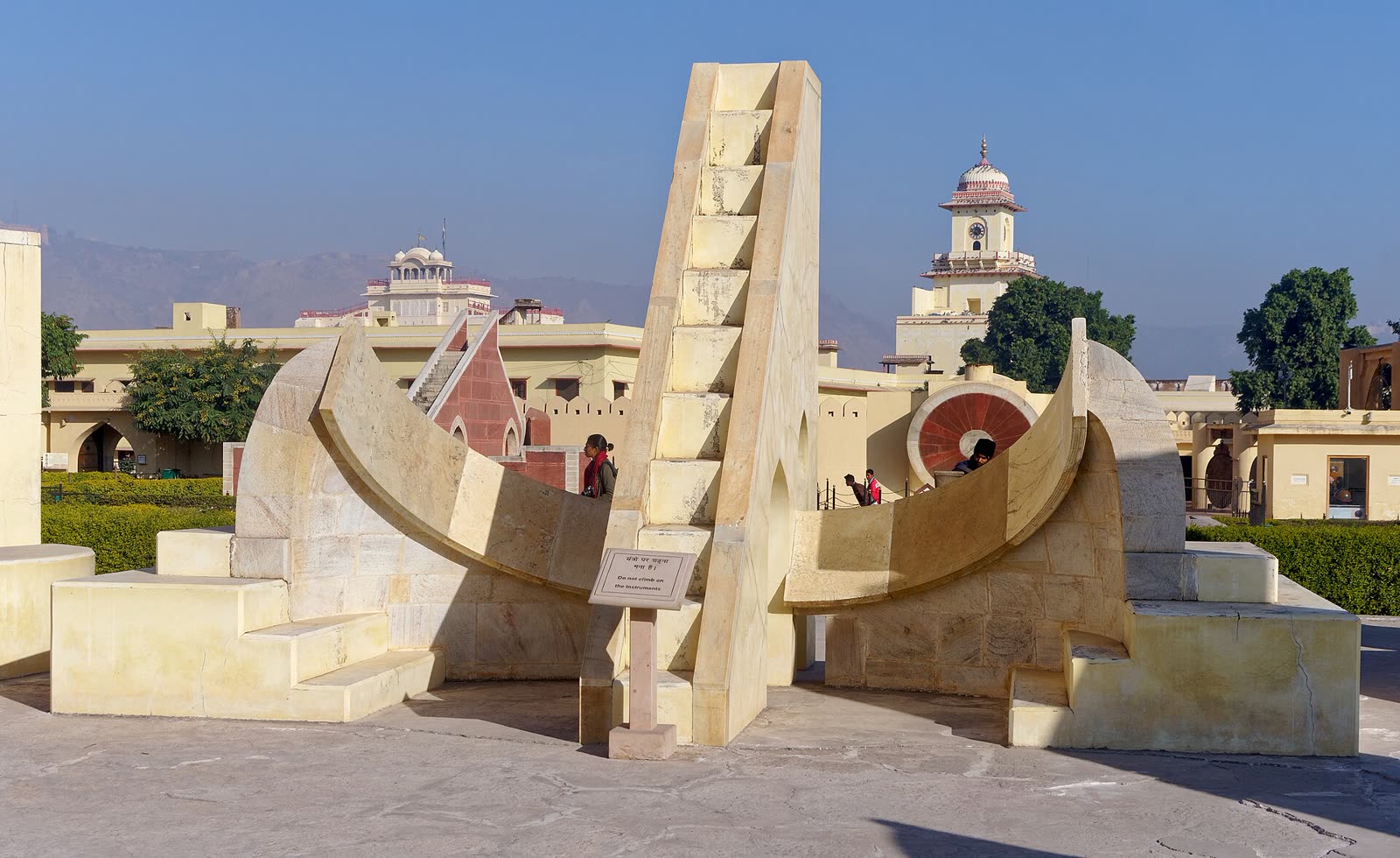
Welcome to Jyotish, “the science of light”, the astrology of India, often called Vedic astrology in English. One of the oldest astrological traditions still alive, and probably the most practiced in the world today.
Another zodiac
The first shock for a Westerner: in India, the signs are not in the same place.
Our Western astrology uses a zodiac set by the seasons: Aries always begins at the spring equinox. Indian astrology uses a zodiac set by the stars. Yet because of a slow movement of the Earth’s axis, precession, the two zodiacs slide against each other by about one degree every seventy-two years.
Today, the gap is about twenty-four degrees. In practice, many people who are Aries in the West are Pisces in India. It is not a mistake on either side: they are two ways of counting, answering two different questions.
We work with both. The Western zodiac for houses, solar returns and charts; the Indian zodiac for nakshatras and planetary periods. The two traditions shed light on each other.
The Moon, queen of Jyotish
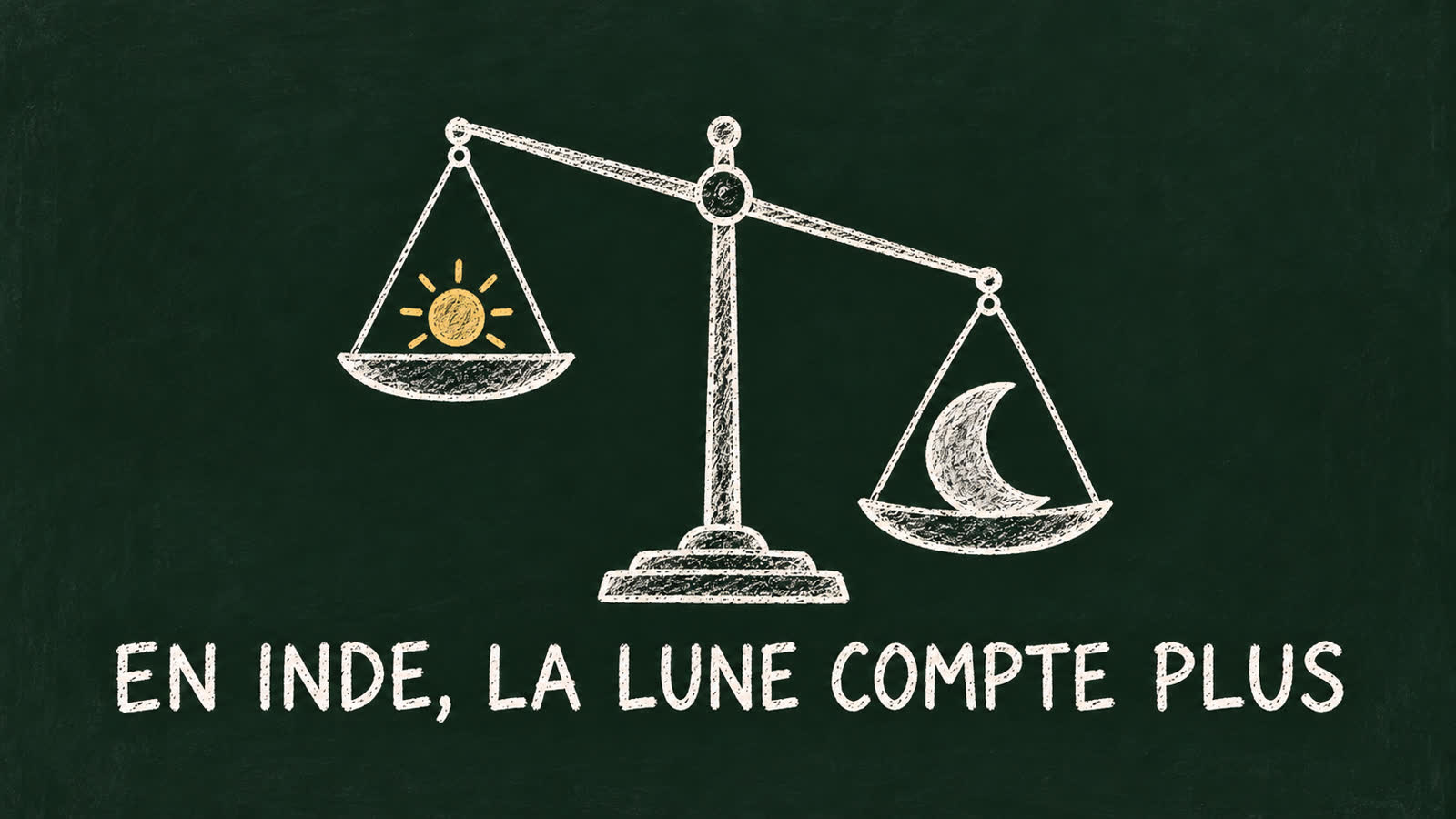
In India, the Moon counts more than the Sun.
The position of the Moon at birth is the basis for most calculations: the Moon sign, the nakshatra, and above all India’s great forecasting system, the dashas, the planetary periods.
The idea is that the Moon represents the mind, the way you experience things. The Sun shows the soul, the deep direction. But in everyday life, it is the mind that reacts, decides, suffers or rejoices. So that is what you look at first.
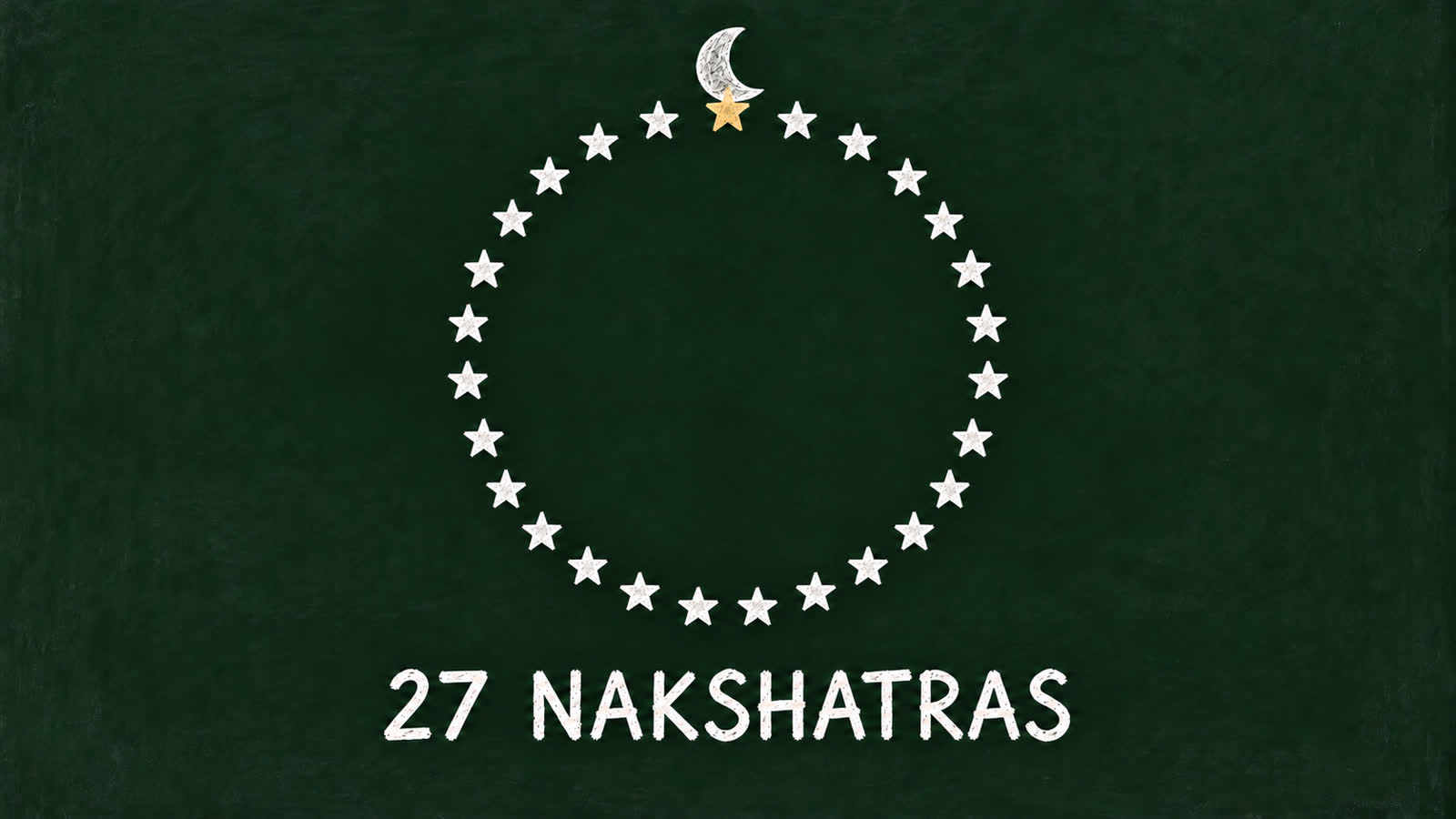
The 27 nakshatras
The Indian zodiac is divided into twenty-seven lunar mansions, the nakshatras, of 13 degrees 20 minutes each. The Moon crosses about one a day.
Each nakshatra has:
- a name: Ashwini, Rohini, Pushya, Revati…
- a deity that governs it;
- a symbol: a horse’s head, a chariot, a flower, a fish…
- a ruling planet, which sets the order of the planetary periods of your life.
Your birth nakshatra is in a way your personal star. In India, it is still used to choose the first syllable of a child’s name, to check the compatibility of an engaged couple, to set the day of a wedding.
Calculate your nakshatra
For entertainment and self-reflection.
If your nakshatra is Pushya, which tradition considers the most favorable of all, you are allowed to be pleased. But there is no bad nakshatra: each has its gifts and its challenges.
The dashas: the seasons of your life
This is the part of Indian astrology that impressed us most when we discovered it.
According to the most widely used system, the Vimshottari dasha, your life is divided into great periods, each ruled by a planet. The full cycle lasts one hundred and twenty years. The Venus period lasts twenty years, the Sun’s six, the Moon’s ten, Jupiter’s sixteen, Saturn’s nineteen, and so on.
The starting point depends on… your birth nakshatra. It tells which period was running on the day you were born, and how much of it was left.
Each great period then divides into sub-periods, then sub-sub-periods. You get a real calendar of life, with its seasons. When we set someone’s dashas beside their story, it is often striking to see the turning points of their life fall on changes of period.
The dashas don’t say what will happen. They say which planet “holds the helm” during a period of your life, and therefore which themes come back to the fore.
Varshaphal: the Indian yearly return
India also has its version of the solar return: the Varshaphal, literally “the fruit of the year”. This technique, also called Tajika astrology, was developed in medieval India under the influence of Persian and Arab astrologers, the heirs of Albumasar.
It shares the idea of drawing up a sky chart at the Sun’s yearly return, but calculated in the sidereal zodiac, with its own techniques: the lord of the year, the Muntha that moves forward one sign per year, and sensitive points called sahams, cousins of the Arabic parts.
When we read a year, we sometimes compare the Western solar return and the Indian Varshaphal. When both say the same thing, we are very confident. When they diverge, that is where the conversation gets interesting.
Why combine the two traditions
We have not chosen between the West and India. That would mean going without.
Western astrology is very strong at describing psychology, houses, places, and for the solar return. Indian astrology is formidable for timing: dashas, the nakshatras of the day, elections. Together, they complete each other like two eyes that give depth.
And now, you
- Write down your nakshatra, with the calculator above.
- Look at its symbol and its deity. Something often resonates.
- Notice the days when the Moon passes through your nakshatra: about once a month. Those are days that concern you.
And if you want the full reading, with your dashas, the period you are going through and your Varshaphal for the year, the workshop prepares it for you.
Frequently asked questions
What is Jyotish?
It is the name of the traditional astrology of India, “the science of light”. It uses a sidereal zodiac, set by the stars, and gives great importance to the Moon.
What is a nakshatra?
It is one of the twenty-seven lunar mansions of the Indian zodiac, 13°20′ each. Your birth nakshatra is the one the Moon was in when you were born.
Why is my sign different in Indian astrology?
Because the Indian zodiac follows the stars, while the Western zodiac follows the seasons. The gap, due to precession, is about twenty-four degrees today.
What are the dashas?
They are planetary periods that divide life into great seasons. The Vimshottari system, the most widely used, covers one hundred and twenty years and starts according to your birth nakshatra.
What is Varshaphal?
It is the yearly return of Indian astrology, from the Tajika tradition, inspired by Persian and Arab astrologers.