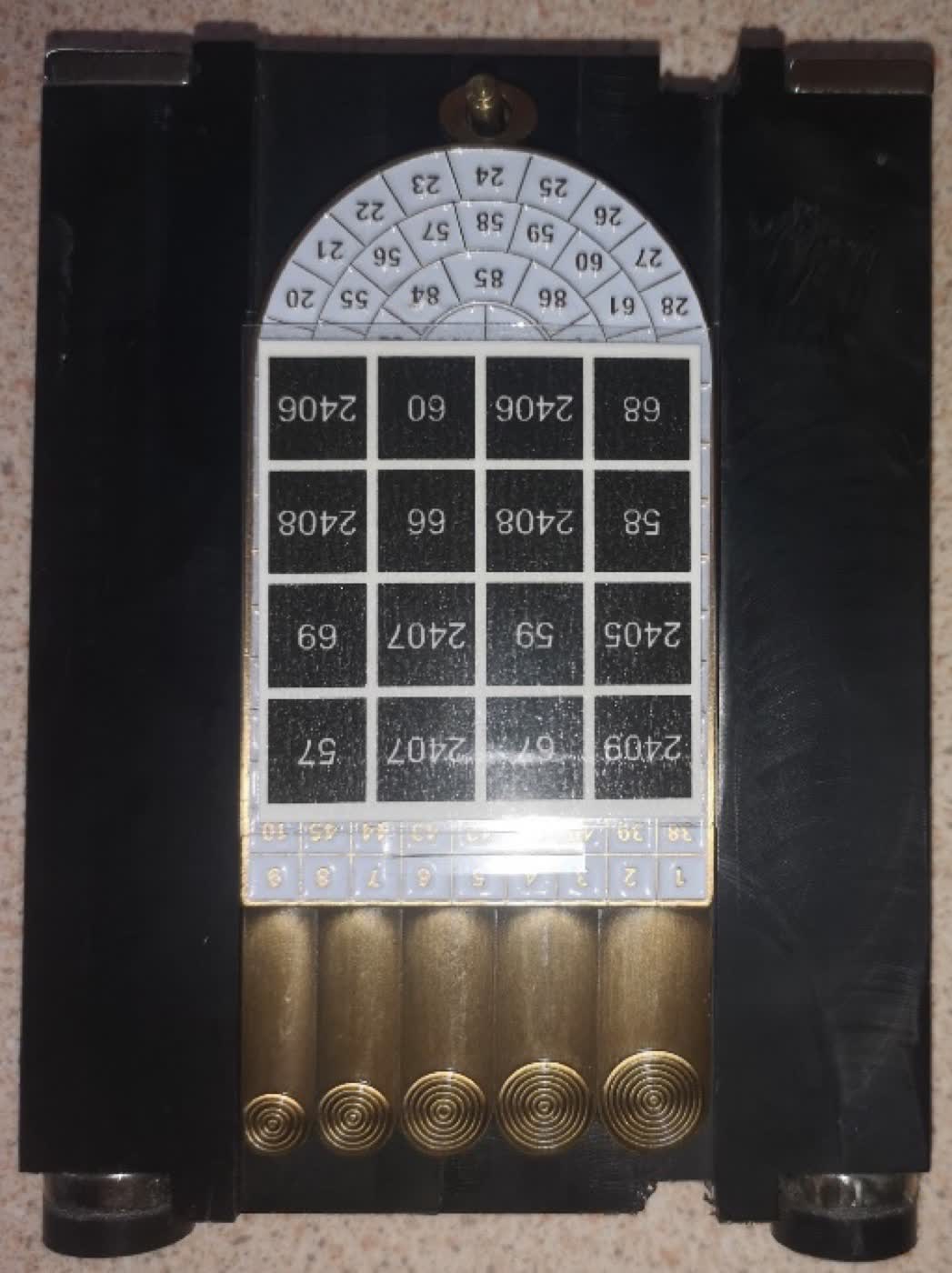
A magic square is a grid filled with numbers. Its magic is visible to the naked eye: add up any row, any column, either diagonal, and you always get the same total. Scattered numbers become order.
Three thousand years of history
The first known magic square comes from China. Legend credits it to Fu Xi, the mythical founder of Chinese civilisation: the Lo Shu, nine cells, nine digits, and the same total of 15 everywhere. Then magic squares travelled through India and the Arab world to Renaissance Europe, where the scholar Heinrich Cornelius Agrippa linked them to the seven planets.
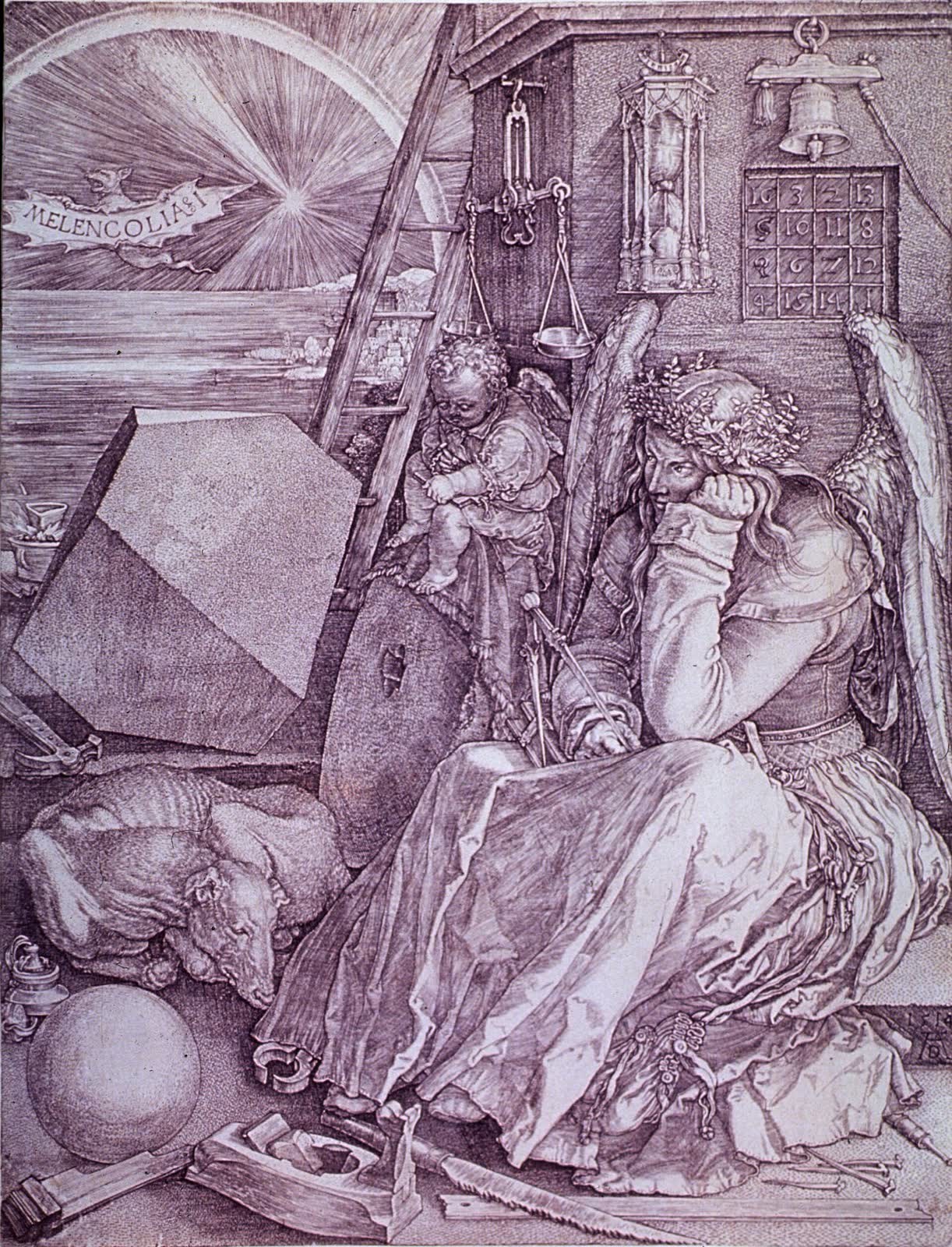
All things that are connected to one another, and therefore alike, are each subject to the other's specific power. This is the law of resonance.
Heinrich Cornelius Agrippa (1486-1535)
The secret Antoine checks
Antoine found a property in magic squares that he calls the theosophical channel. Add up all the digits of a row, then reduce the total to a single digit (as you would for your birth number). In a well-built square, every row, every column and every diagonal lands on the same digit.
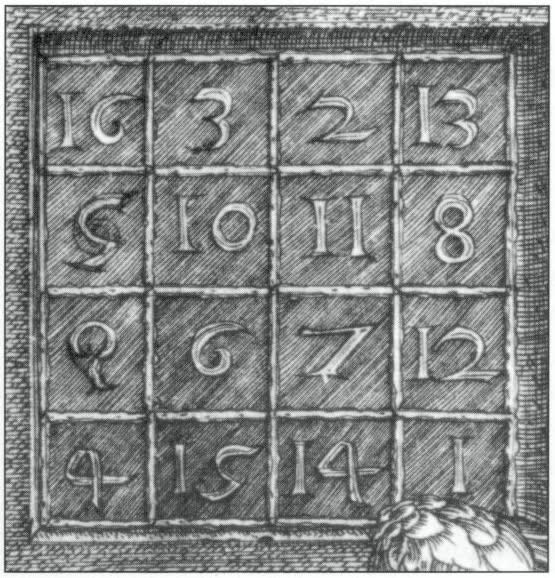
That digit is the square's fundamental frequency, its signature. And you can check it with a simple pencil.
Closed grid or vestibule
Antoine separates squares into two families, which are never mixed:
- The closed-grid square: each cell is surrounded by a line. Energy circulates inside, in a loop, like in a closed circuit.
- The vestibule square: the cells alternate black and white. The open cells are doors through which energy radiates outwards. The square becomes an antenna.
The finest example of a vestibule square is the Ramanujan model, with its vortex written in the four corners.
A square with no dividing lines at all charges too fast and saturates: Antoine never uses one. The structure is the regulator.
A square that draws
Join up the numbers of a square in order, 1, 2, 3 and so on: a figure appears, different every time. This is the square's form effect, its circulation map. The square of Pope Leo III, nine cells by nine, draws a pattern of striking symmetry.
What it is used for
For Antoine, the square is a printed circuit. Intention gives the direction, orgone supplies the fuel, and the square encodes the frequency. That is why so many of his objects carry a square: the Buddha Foot, the personal placemat, the cards placed on the Commodore.
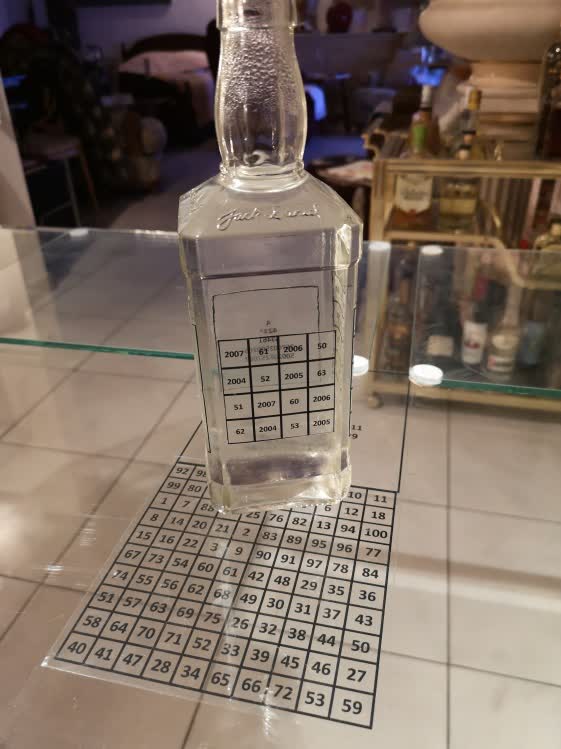
The most powerful of all, according to Antoine, is the one that carries your own date: your personal magic square.
Frequently asked questions
What is a magic square?
A grid of numbers arranged so that every row, every column and every diagonal gives the same total.
What is a square's channel?
Add up the digits of a row and reduce the total to a single digit: that is the theosophical channel, the square's fundamental frequency. You can check it with a simple pencil.
What is the difference between a closed grid and a vestibule?
In a closed grid, each cell is surrounded by a line and energy circulates in a loop. In a vestibule, the cells alternate black and white. Antoine never mixes the two.

Free guide · Luck
Stack the Odds in Your Favor: a bad patch has a shape, and a calendar to get out of it. Our short guide, free by email.
Get the free guide →