It is not an amulet. It is a geometric figure dating from ancient Greece.
Antoine de Saint-Christophe
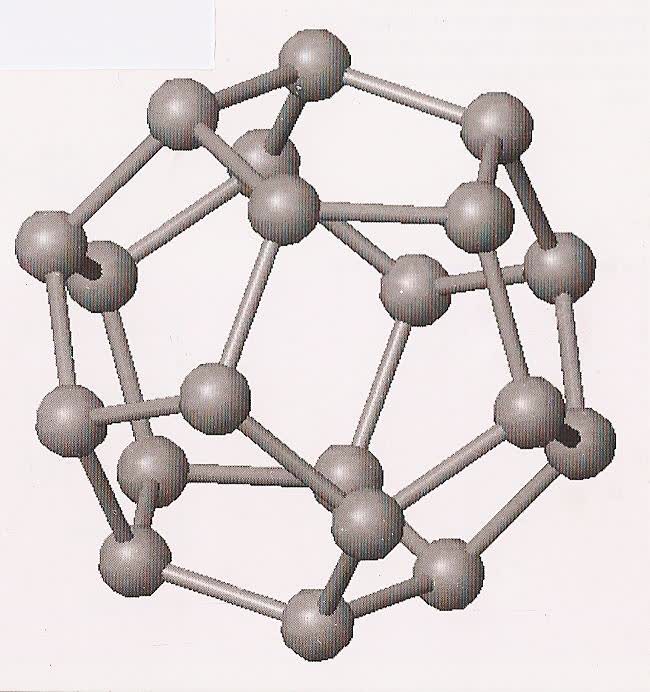
Picture a small bronze object, hollow, the size of a tennis ball. Twelve faces, each one a pentagon, each one pierced with a round hole of a different size. And at every corner, a little ball.
Archaeologists have found more than a hundred of them, mostly in the north of the former Roman Empire: in Gaul, in Germania, in Britain, and right here in Belgium. Most date from the 2nd and 3rd centuries. And for two centuries, nobody has been able to say for certain what they were used for.
Antoine had his own idea.
The Gallo-Roman enigma
Antoine summed up what we know like this. Dodecahedra in bronze and gold have been found from Gaul to South-East Asia, at places of worship, in tombs, in houses. They range from 4 to 10 centimetres in size and from 35 to 100 grams in weight. Archaeologists mainly attribute them to the Romanised Celts.
There has never been a shortage of theories: a measuring instrument, a calendar for knowing when to sow, a tool for knitting gloves, a game piece, a decoration. None has convinced everyone. Antoine saw in these objects the trace of a symbolic use, perhaps secret, reserved for scholars.
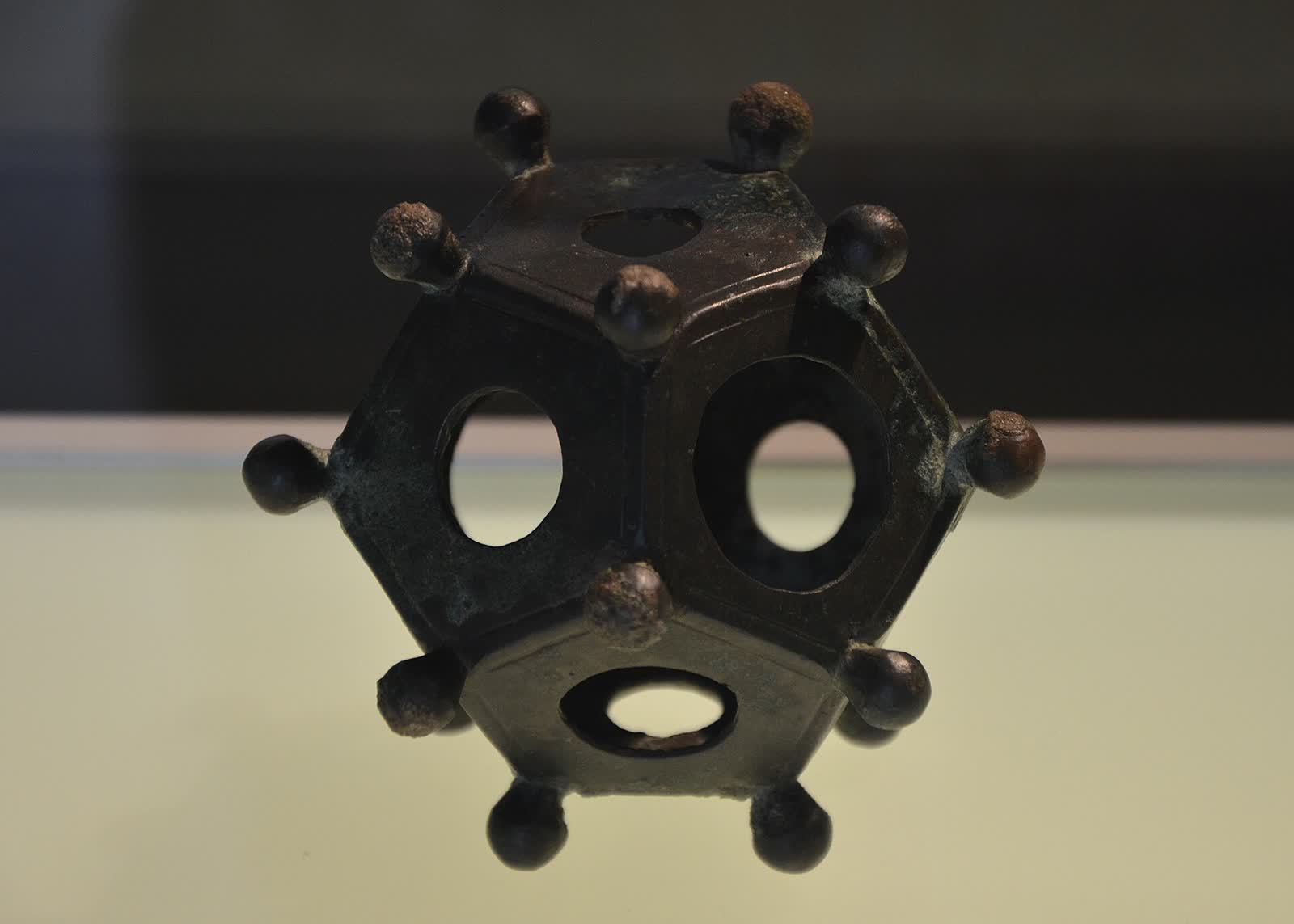
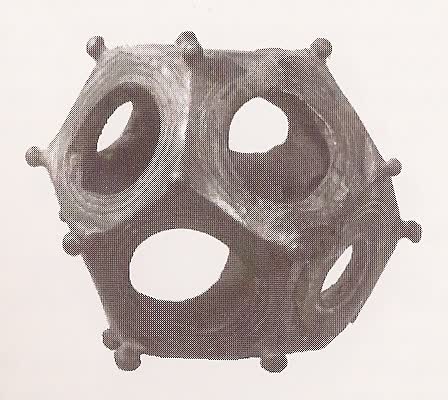
He pointed to one very close to home: the Bassenge dodecahedron, discovered in 1888-1889 and kept at the Musée Curtius in Liège.
The Geneva die
One object intrigued him more than the others. During the restoration of St Peter's Cathedral in Geneva, excavations uncovered a 4th-century Roman dodecahedron. Its twelve faces are covered in silver, and each one bears a sign of the zodiac. It is filled with lead and weighs 297 grams.
Twelve faces, twelve signs. For Antoine, the question was no longer whether these objects had something to do with the sky, but what.
The shape of the universe
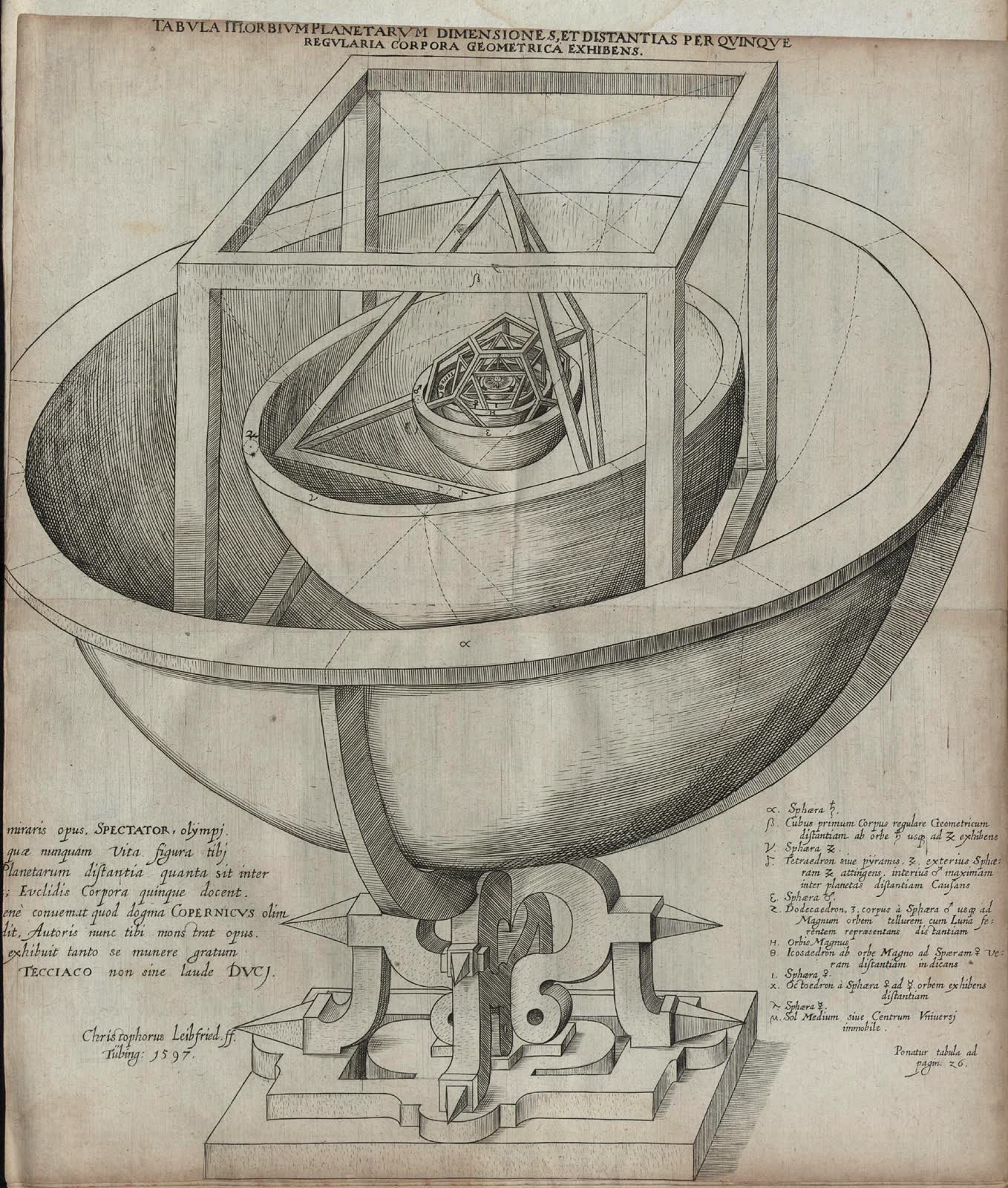
Long before Galileo, Antoine reminded us, Plato knew the Earth was not flat. In the Timaeus, he links four of the five perfect solids to the four elements, and reserves the fifth, the dodecahedron, for the universe as a whole. It was, he said, the fifth wonder.
Antoine added a calculation he loved: the twelve pentagonal faces can each be divided into 30 triangles. 12 × 30 = 360: the number of degrees in a circle, that of the zodiac and of the degree of your first name. The dodecahedron, he said, marks out the calendar of the sky.
| Fire | Air | Water | Earth | Ether | |
|---|---|---|---|---|---|
| Solid | Tetrahedron | Octahedron | Icosahedron | Cube | Dodecahedron |
| Faces | 4 | 8 | 20 | 6 | 12 |
Antoine also cited the work of researchers, including Goncharov, who projected a dodecahedron onto the globe and noted that its vertices fall near places reputed to be unusual: the Great Pyramid, the Bermuda Triangle, Easter Island.
Five and twelve
For Antoine, the dodecahedron is a meeting point. On one side, the East, built on five: the law of the five elements, the five-pointed star. On the other, the West, built on twelve: the twelve apostles, the twelve months, the twelve signs. The dodecahedron brings them together: twelve faces, each with five sides.
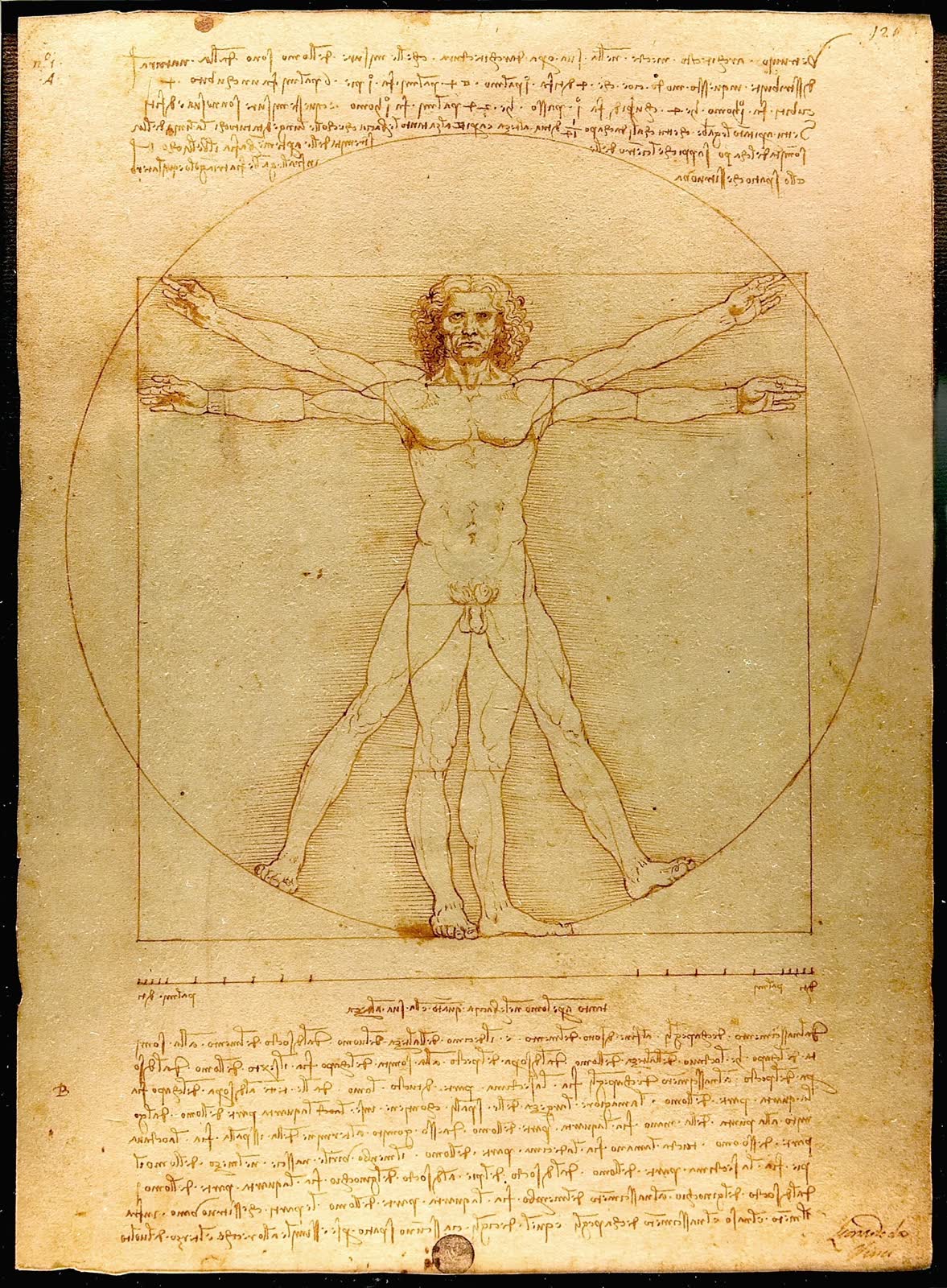
And five, he added, is everywhere in living things. The pentagon is found in countless natural forms. The human body, arms and legs spread, fits into the five-pointed star, as Leonardo da Vinci drew it. The hand has five fingers, the starfish five arms.
What the dodecahedron does in a home
Antoine spoke about it very concretely. For him, the dodecahedron balances energies and harmonises the atmosphere of the room it stands in:
- in his view, it calms the influence of underground networks and disturbances in the subsoil, such as veins of water;
- it softens the emissions of screens, phones and microwaves;
- it helps relaxation and meditation;
- it harmonises relationships between people, creating a friendly atmosphere that encourages conversation.
And he insisted on what it is not:
It is not magic: it is a figure that emits a field, part of form effects. It is not for the superstitious: it is for those who believe that colours and sounds act on us, just as shapes do. It acts without you having to do anything. It works all the time. It is beautiful.
Antoine de Saint-Christophe
These are form effects: the shape acts by itself.
These are Antoine's views, from the form-effects tradition. They are not measured effects and do not replace any medical or technical advice.
Orienting it properly
A dodecahedron isn't placed just anyhow. Antoine gave a precise rule:
Place the dodecahedron preferably in the centre of the room, and orient it east-west: one point of the lower pentagon facing east. A compass, preferably a liquid one, will help.
Hung from a mobile, he added, it also stimulates subtle perceptions.
Pyrite, fool's gold
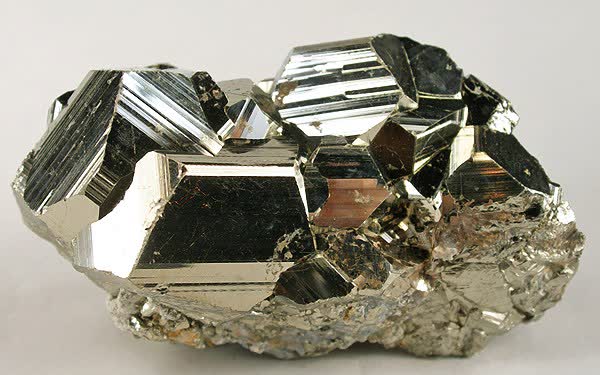
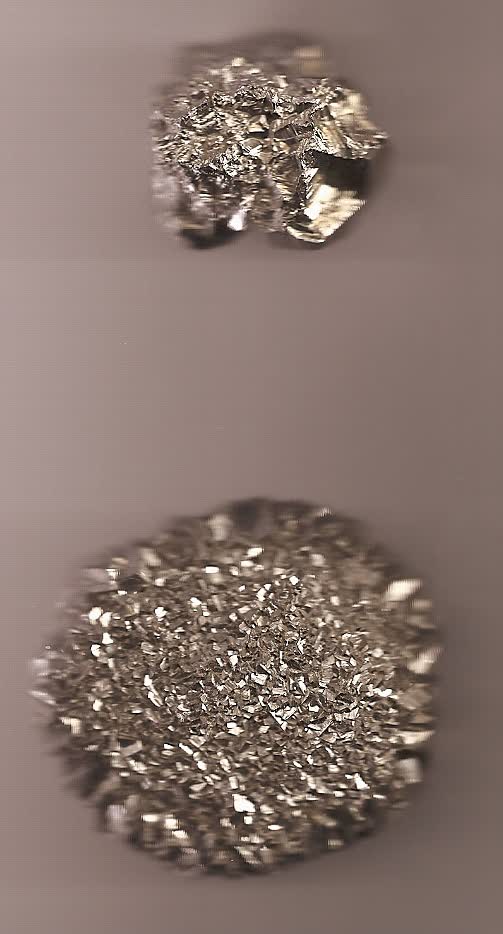
To amplify the dodecahedron, Antoine had a secret. There is only one mineral in nature, he said, that spontaneously crystallises as a dodecahedron with pentagonal faces: iron pyrite, the symbol of fire. Mineralogists call this form the pyritohedron.
The ancients called it fool's gold, or cat's gold, "because cats, like fools, know how to open up to unknown worlds", Antoine wrote.
Placed inside a well-oriented dodecahedron, pyrite amplifies it, he said, magnificently.
Wood or gold? The questions people asked him
Antoine answered his visitors' questions. Here they are, as he answered them.
How many do you need? One per room. A wall doesn't completely stop its effect, but it weakens it a lot: better to have a dodecahedron in each room you live in.
Wood or metal?
- Metal plated with fine gold, for the office, the car and the main living room: it is the most powerful model. The workshop's measures 85 millimetres and weighs 185 grams.
- Natural beech, for the bedroom, the lounge, a room for rest or meditation. Antoine recommended the wooden dodecahedron on the bedside table, to harmonise sleep.
- A large 230-millimetre beech model, to assemble yourself, for a meeting room, a yoga room or a negotiating table.
Does it need discharging? No: it doesn't charge.
With or without balls? Antoine preferred the hollow dodecahedron, made of edges and balls, like most of those that have been found. A hollow dodecahedron that is completely closed does little; if its faces are covered, each one must be pierced with a different hole, exactly as on the Gallo-Roman objects.
Does it duplicate other objects? No. It works alongside the other instruments in the home, such as dowsing piles or an orgone generator.
The fifth solid
In Antoine's calendar, the dodecahedron depends on no Moon window. The other four Platonic solids each take over one window; the dodecahedron, the ether, the colour blue, links and harmonises them all.
Antoine recommended two books to those who wanted to go further: Dr Robert Nouwen's book on the Roman dodecahedron, De Romeinse pentagon-dodecaëder: mythe en enigma, and L'Extraordinaire Pouvoir du dodécaèdre.
A room where you sleep badly, a tense office, a house full of arguments? Ask the workshop which dodecahedron to place, where, and how to orient it. If something at home weighs on you, you can also take the free test I don't feel good at home.
Frequently asked questions
What is the dodecahedron?
The fifth Platonic solid: twelve pentagonal faces, the shape Plato associated with the universe as a whole. The Gallo-Romans left more than a hundred in bronze, whose exact use nobody knows.
What is it for in a home?
For Antoine, it balances energies, harmonises the atmosphere of the room and relationships between people, and helps relaxation and meditation.
How do you orient a dodecahedron?
Preferably in the centre of the room, oriented east-west, with one point of the lower pentagon facing east.
Why put a pyrite inside?
Pyrite is the only mineral that naturally crystallises as a dodecahedron with pentagonal faces. Placed inside a well-oriented dodecahedron, it amplifies it, according to Antoine.
Wood or gilded metal?
Wood on the bedside table and in rooms for rest; metal plated with fine gold in the office, the car and the main living room, for a stronger action.
Does it need discharging?
No. Antoine put it simply: it doesn't charge.