Wealth, abundance, prosperity.
Title of Antoine's Kubera Kolam model
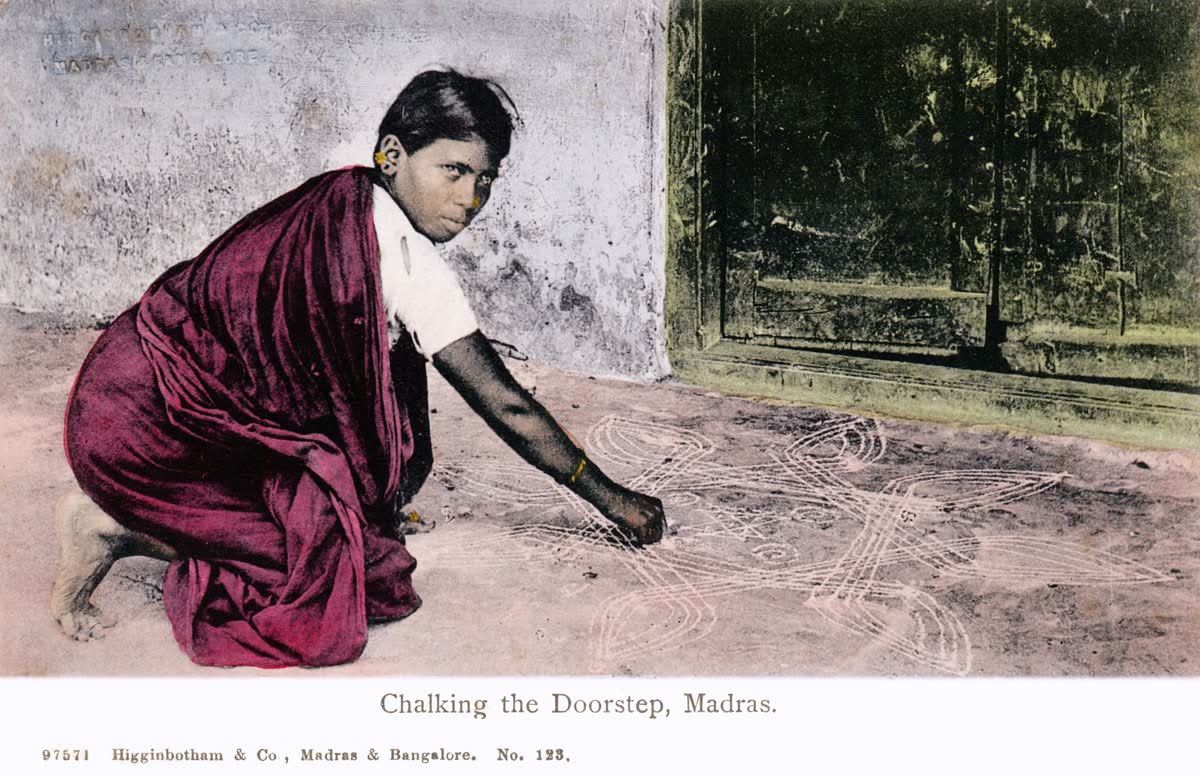
It is barely six in the morning in a street in Chennai. In front of every house, a woman bends over the freshly swept, damp ground. Between her fingers, white rice-flour powder. She lets a fine, even thread run out, drawing dots, loops, interlacing lines. In a few minutes, the doorstep is covered with a perfect pattern.
This drawing is called a kolam. It will be trodden on during the day, blown away by the wind, eaten by ants. And tomorrow morning, another one will be drawn.
Among all the kolams, there is one made not of curves but of numbers. It is called the Kubera Kolam.
The kolam, a drawing of welcome
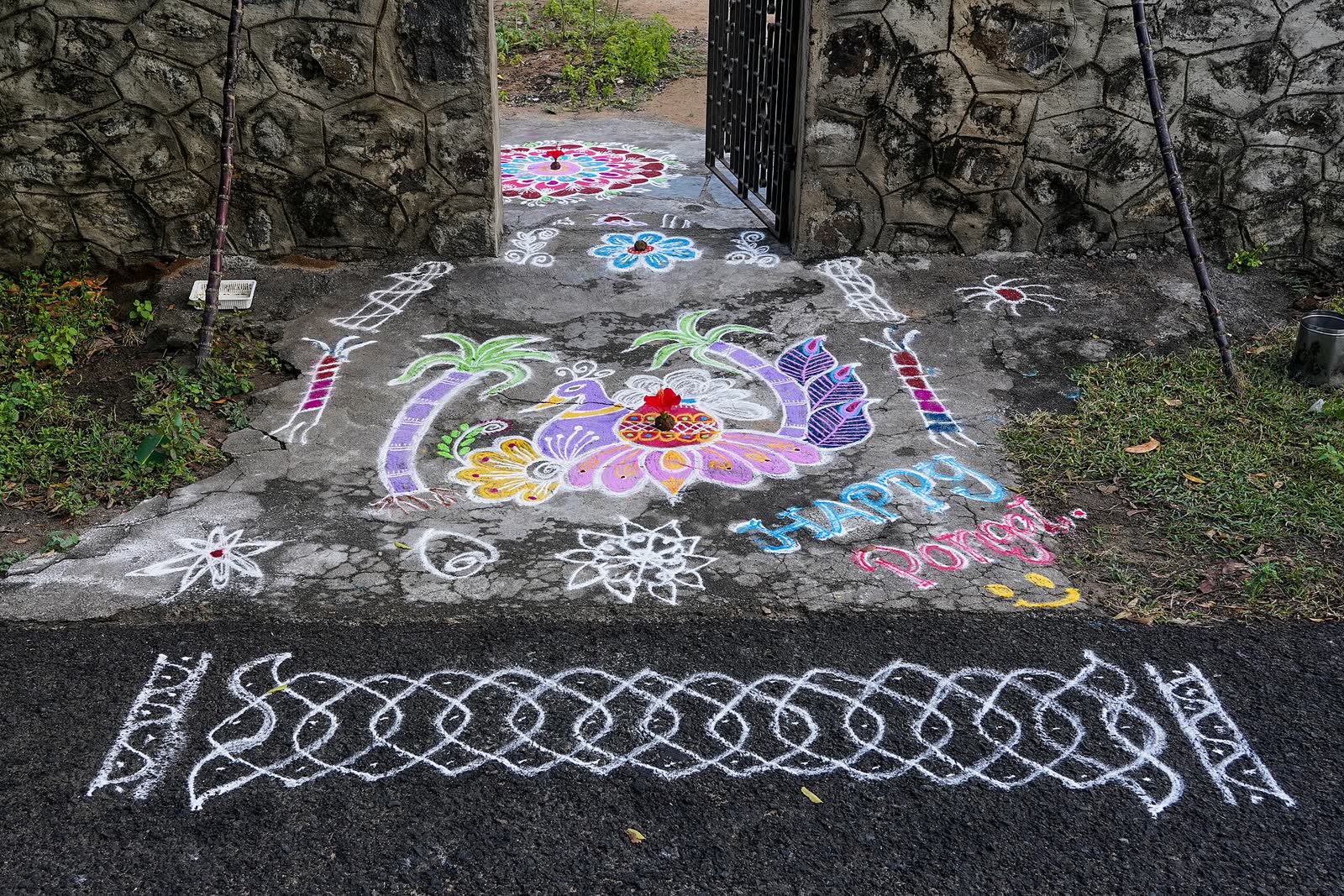
The kolam is a very old tradition of southern India, and above all of the Tamil country. Every morning it is drawn in front of the door, in rice flour or chalk powder. It is said to welcome prosperity into the house, to greet visitors, and to feed the small creatures, ants and birds, that come to peck at the flour.
At the great festivals, such as Pongal, the harvest festival in January, kolams become huge and colourful. Whole streets are covered with drawings.
Kubera, keeper of treasures
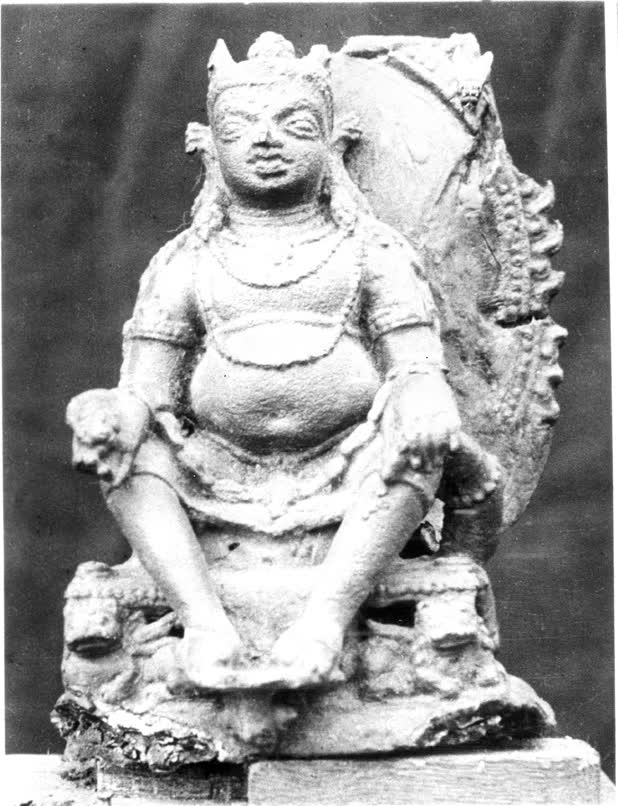
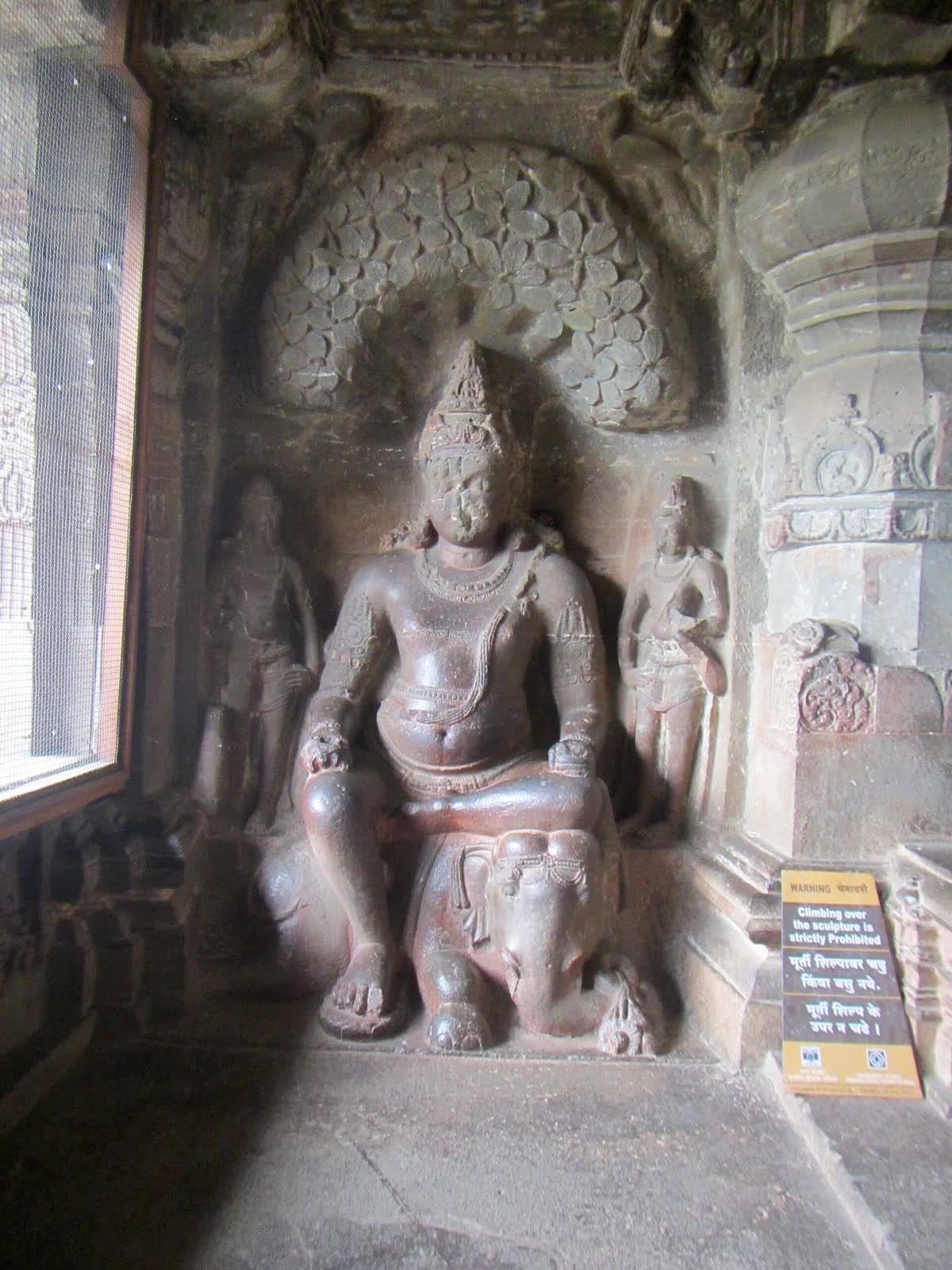
The Kubera Kolam is devoted to Kubera, the Hindu god of wealth. In the tradition, he is the keeper of the world's treasures and the king of the Yakshas, the spirits who watch over the hidden riches of the earth. He is often shown pot-bellied, seated, holding a purse or a pot, the symbol of abundance that never runs out.
He is still honoured today for the prosperity of the household and of business. And it is for him that his square is drawn in homes.
The square of Kubera
Here it is:
| 27 | 20 | 25 |
|---|---|---|
| 22 | 24 | 26 |
| 23 | 28 | 21 |
Add up the first row: 27 + 20 + 25 = 72. The second: 22 + 24 + 26 = 72. The first column: 27 + 22 + 23 = 72. The diagonal: 27 + 24 + 21 = 72. Everywhere, 72.
Now compare it with the Lo Shu, the square of the sacred turtle:
| 4 | 9 | 2 |
|---|---|---|
| 3 | 5 | 7 |
| 8 | 1 | 6 |
Take 19 away from each cell of the Kubera Kolam: 27 becomes 8, 20 becomes 1, 25 becomes 6… You get exactly the Lo Shu, simply turned over. The Kubera Kolam is the Lo Shu with 19 added to each cell.
The third octave
Antoine summed up this discovery in one sentence:
Kubera Kolam square = Lo Chou square on the 3rd octave.
Antoine de Saint-Christophe
For him, numbers fall into octaves of nine, like the notes of a scale: 1 to 9, the first; 10 to 18, the second; 19 to 27, the third; and so on up to 108, the twelfth. The Lo Shu plays its melody on the first octave. The Kubera Kolam plays the same melody, higher up. The same note, raised. This is the principle of the octave, so dear to Antoine, the one you find in the tone of the Earth and in Fortuna Major.
And he added the conclusion he loved most:
Lo Shu magic square + 19 = Matrix = 72 = 7 + 2 = 9 = Magic number of Fulfilment.
Antoine de Saint-Christophe
The Lo Shu gives 15 in every direction, and 1 + 5 = 6. Two octaves higher, the Kubera Kolam gives 72, and 7 + 2 = 9: the number of magical fulfilment, the one Antoine brings all his rites back to.
Antoine's Kubera Kolam model
Antoine did not just admire this square. He made a frame of it.
In the centre, your personal magic square, built on your birth date. All around it, like a doorstep frieze, repeated Kubera Kolams that frame your square on every side. As a title: Wealth – Abundance – Prosperity. And above it, your vortex.
Here is the example from his sheet, for someone born on July 23, 1967:
| 23 | 7 | 19 | 67 |
|---|---|---|---|
| 20 | 66 | 24 | 6 |
| 65 | 17 | 9 | 25 |
| 8 | 26 | 64 | 18 |
The vortex of this square is 116: you find it in every row, every column, every diagonal. Its channel: 1 + 1 + 6 = 8. Around it, the Kubera Kolams repeat their 72 again and again, like the doorstep of an Indian house welcoming prosperity every morning.
Your square in the centre, wealth all around. That is the idea: placing your personal frequency at the heart of a field of abundance.
Build your personal magic square
Calculated in your browser: nothing is sent. For entertainment and self-reflection.
The mantra of Kubera
Antoine paired this model with a sound. During the application, he recommended listening to the mantra of Kubera tuned to 432 hertz, repeated 6 times 108 times, that is 648 repetitions, lasting about two hours:
Om Shreem Om Hreem Shreem Hreem Kleem Shreem Kleem Vitteswaraya Namah.
Mantra of Kubera
108, the sacred number that keeps coming back in Antoine's work: 108 beads on the rosary, 108 beads on the chain of the Buddha Foot, 108 days on the Kaprekar pile.
He also noted that this method is not just for wealth. It works in every area of life, provided you play another, very powerful mantra for a few cycles of 108: Om Mani Padme Hum. And to turn an unfavourable situation into a favourable one, he cited the mantra Ek Ong Kar.
On the Buddha Foot
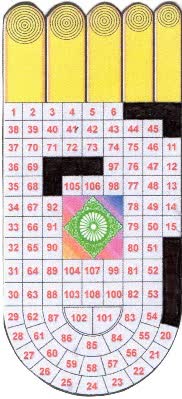
Like the Ramanujan square, the Kubera Kolam model can mark a Buddha Foot. You find each number of your square on its white face, with a small round sticker or by piercing the Foot. Zero is not shown, a repeated number is marked only once, and a number above 108 is reduced only once.
The pierced Foot is then placed between an infinity mirror and a natural flame, such as an Aries candle: the form effect is then sent back from reflection to reflection.
The fortune pot
The Kubera Kolam has a cousin all over Asia: the fortune pot. Antoine said that the French expression coup de pot (literally “a pot stroke”, meaning a stroke of luck) does not come, as people think, from the dice players of the Wild West, but from South-East Asia, and more precisely from Thailand, in the region of Uttaradit.
He gave the recipe for the fortune pot the Macao and Hong Kong way:
- Get a feng shui fortune pot.
- Put in it three Chinese coins with a hole, a piece of red ribbon and a few fresh leaves of rue, renewed every month.
- When you are not wearing it, place your favourite medal or talisman in it, next to the three coins.
And he recalled a custom you will also find on the back of your placemat: coins found in the street go on your square, as in the fortune pots of feng shui.
A doorstep every morning
The kolam fades every day, and every day it is drawn again. This may be the finest lesson of the Kubera Kolam: abundance is not a state, it is a gesture. You open the doorstep, you welcome, you start again.
Your personal square in the centre. The 72 all around. And the 9 of fulfilment at the end of the count.
Would you like your personal square framed with the Kubera Kolam, or your Buddha Foot marked with your numbers? Send your birth date to the workshop.
Frequently asked questions
What is a kolam?
A drawing made every morning in rice flour on the doorsteps of houses in southern India, especially in the Tamil country. It welcomes prosperity and greets visitors.
What is the Kubera Kolam?
A magic square of three cells by three, devoted to Kubera, the Hindu god of wealth: 27, 20, 25 / 22, 24, 26 / 23, 28, 21. Every row, column and diagonal gives 72.
What is its link with the Lo Shu?
The Kubera Kolam is the Lo Shu with 19 added to each cell. As Antoine put it: it is the Lo Shu on the third octave.
Why 72?
The Lo Shu's total, 15, plus three times 19, gives 72. And 7 + 2 = 9, the number of magical fulfilment for Antoine.
How does Antoine use this square?
As a frame: your personal square in the centre, surrounded by repeated Kubera Kolams, under the title “Wealth – Abundance – Prosperity”. He paired it with the mantra of Kubera, repeated 648 times.

Free guide · Money
Your Money, at the Right Time: the problem isn't always the amount. It's that everything repeats. Our short guide, free by email.
Get the free guide →