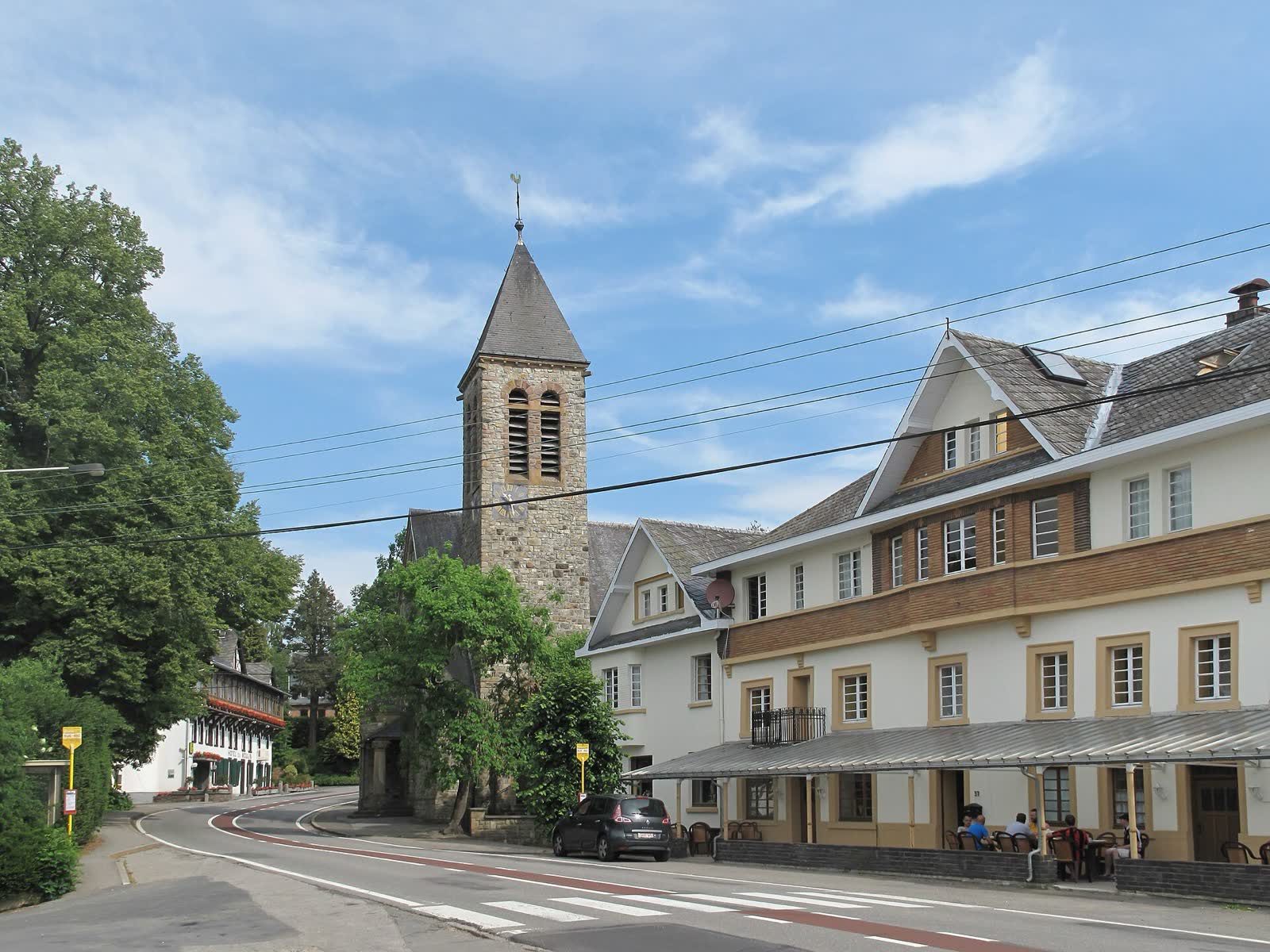
Dear friends, rest assured: this year again, I shall go to the tomb of Monsieur Hawarden.
Sentence noted by Antoine, dated 1912
There are graves where people pray. There are graves where people ask. And then there is one grave, in Ligneuville, near Malmedy, where people ask for nothing.
Antoine gave it a place of its own in his catalogue. He filed it "without a quest for grace". He gave it five stars. And he called it simply: the magic tomb above all others.
An epitaph that lies
In the small cemetery of Ligneuville, one grave bears an inscription that looks ordinary. In substance it says: here lies Mademoiselle Meriora Gillibrand, who died in Ligneuville on March 1, 1863, aged 58, having received the sacraments of the Church.
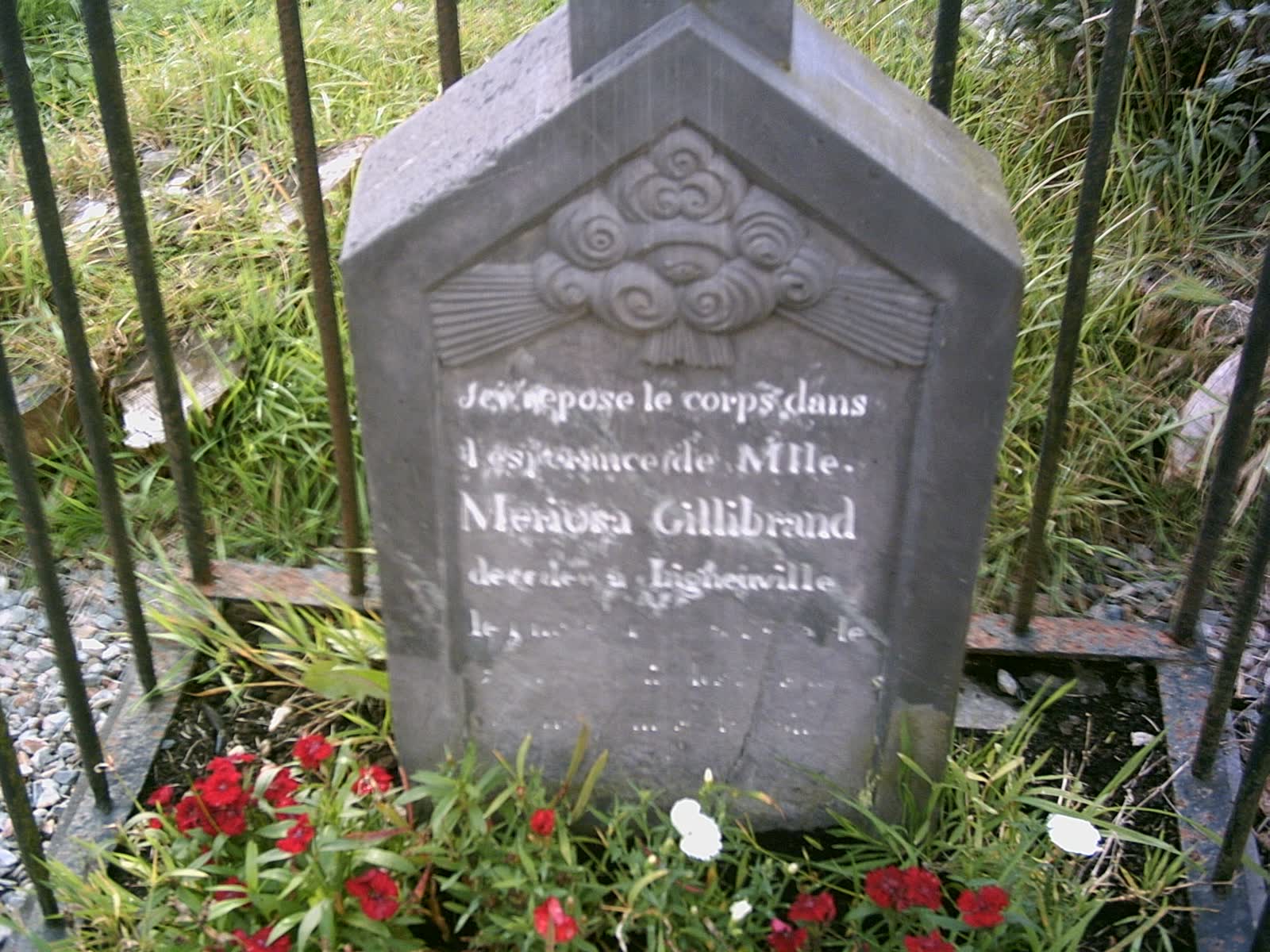
But the day after this death, at the nearby town hall, a witness had declared the death not of a young lady but of a man: Arthur Hawarden, of unknown origin. A few weeks later, the family had that name struck from the register and replaced with that of Meriora Gillibrand.
Because "Monsieur Hawarden" was a woman.
The life of Monsieur Hawarden
To her family, Meriora Gillibrand was no doubt an original, an eccentric. To the people of Ligneuville, she was a man, and nothing else. She smoked a pipe and cigars. She wore men's clothes and a tall cap. She had two pistols in her belt, and people said she was a crack shot.
Legend lends her a life worthy of a novel. She is said to have fought on the barricades of Paris in 1848, escaping arrest only because a medical examination revealed she was a woman. She is credited with a husband, with lovers who killed each other over her, with a duel in which she stabbed a suitor who had wounded her with a bullet before he died.
Around 1850, her wanderings brought her to the heart of the Ardennes, to Ligneuville. The village gained one more parishioner. A strange parishioner who, on stormy evenings, galloped off across the Fagne moorland and stopped only beneath the ruins of the castles of Salm, Reuland or Reinhardstein. A young boy often went with her, and wrote down her confidences in a notebook.
Monsieur Hawarden died alone, and poor.
Her story inspired a novel by Filip De Pillecyn and a film by Harry Kümel, Monsieur Hawarden, released in 1968.
Where everything seems to work without asking for anything
This is where the story tips over into Antoine's world.
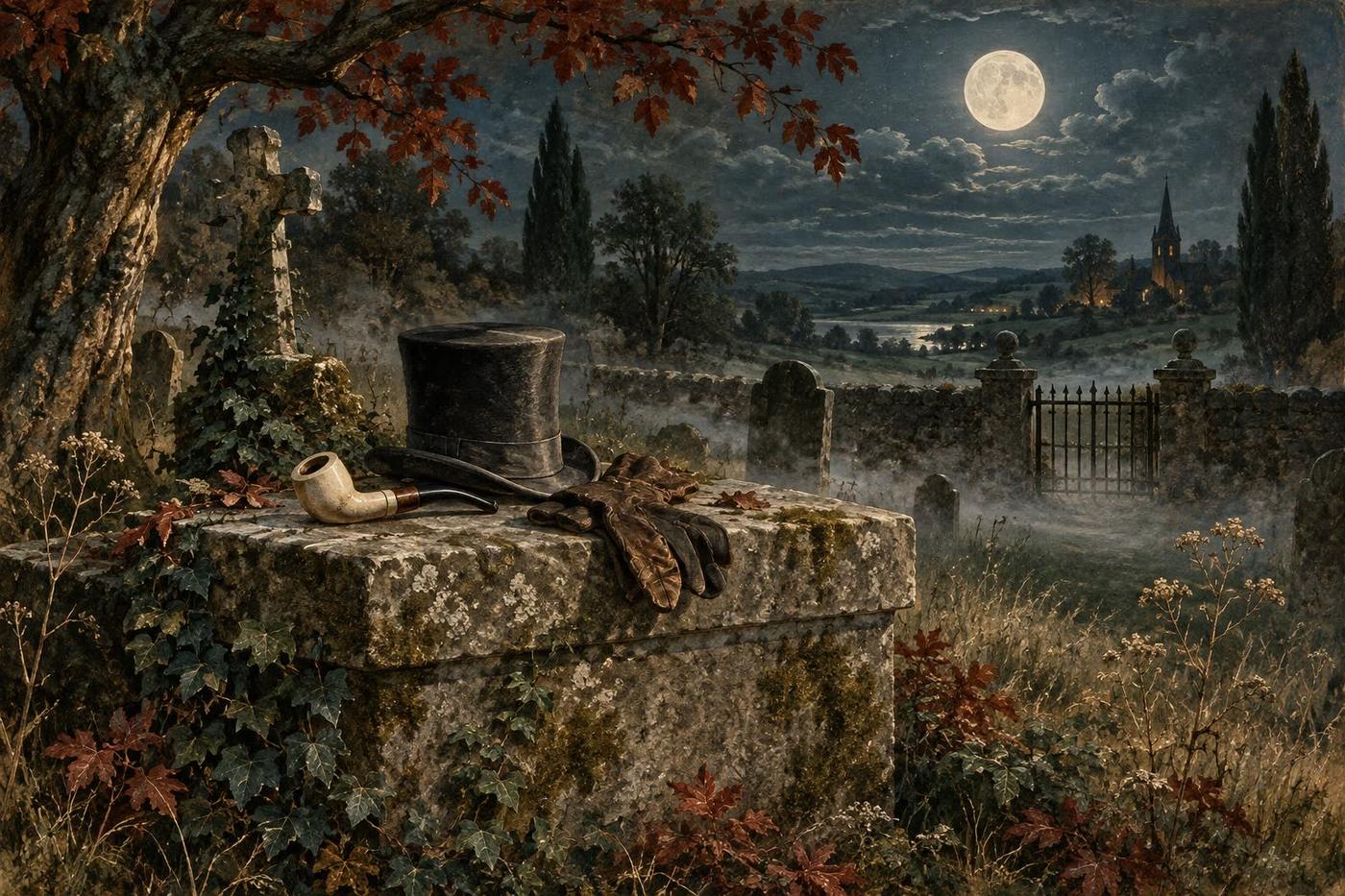
In Ligneuville, no one asks for a grace. And for good reason: no one knows whom to address. A young lady? A gentleman? Someone who spent a whole life escaping: from a name, from a sex, from a family, from the police, from the registers.
And that is exactly why people come. To escape from something.
For more than a century, Antoine wrote, many people from all over the world have come to this tomb at night, once a year. The 1912 sentence quoted at the top of this article says it in its own way: people come back every year, as if to an appointment.
Where everything seems to work, without asking for anything.
Entry 2-532002, Antoine de Saint-Christophe
What Monsieur Hawarden helps you escape
Here is what Antoine noted, in order.
- Everything to do with the law in general.
- Civil authority, mainly political, military and religious.
- Rows, scandals and quarrels.
- Red tape in general.
- And by extension, love passions, between people of different sexes as well as the same sex.
First of all, Antoine noted, Monsieur Hawarden grants the wishes of those who, like her, live between two identities. But the power extends to everyone who feels trapped by an authority, a file, a rumour, a passion.
The principle: you don't ask. You come, like so many others for more than a century, in the dead of night, once a year, to escape from what is holding you back.
How to get there
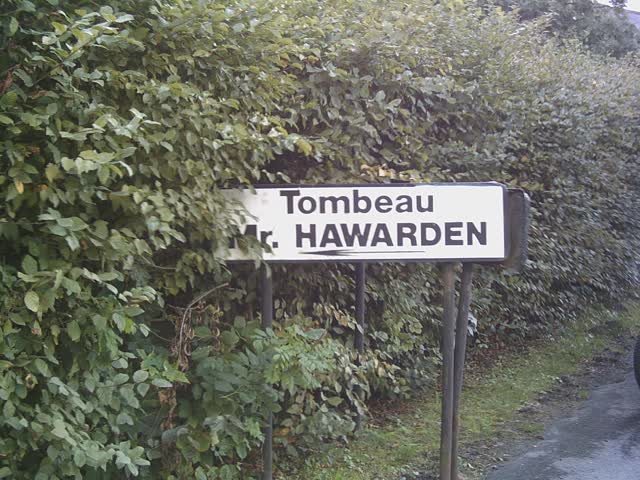
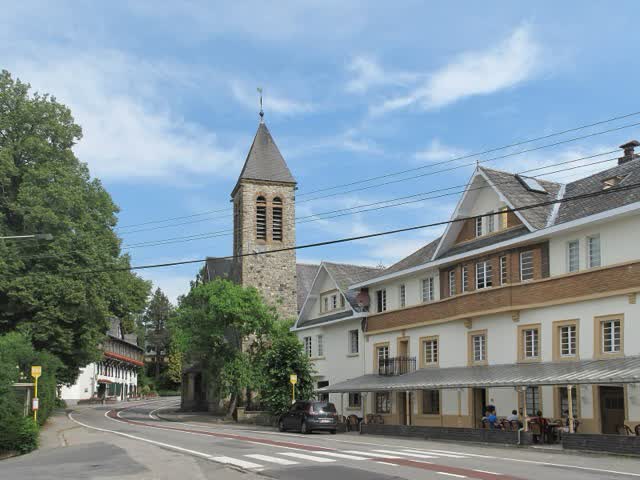
Along the main road through Ligneuville, you will see a long hedge and a signpost reading "Tombeau Mr Hawarden". Just follow the arrows.
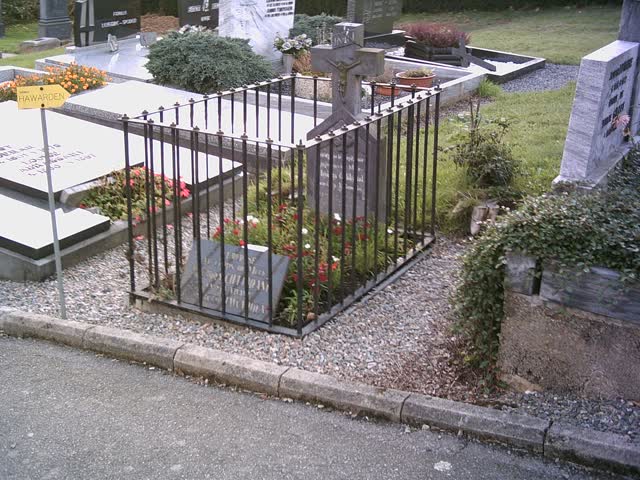
You will recognise the epitaph: "Ici repose le corps de Mlle Meriora Gillibrand, en son vivant Monsieur Hawarden" ("Here lies the body of Mlle Meriora Gillibrand, in her lifetime Monsieur Hawarden").
The cemetery is on Grande Rue, in Bellevaux-Ligneuville, in the municipality of Malmedy.
Hawarden and Denis
Antoine, who gave Hawarden five stars, still had a favourite. For him, another departed soul was even stronger: Denis Randaxhe, the mage of Herstal, buried a stone's throw from his home. Read his story.
Antoine's advice
If you can, always take a miniature bottle of verbena with you when you go to an emissive tomb.
Antoine de Saint-Christophe
Back to the map of places of luck
A procedure that never ends, a quarrel, a situation you want to get out of? Describe it to the workshop: we will tell you whether Monsieur Hawarden is the right place for you.
Photo: Michielverbeek, CC BY-SA 3.0, via Wikimedia Commons.
Frequently asked questions
Who was Monsieur Hawarden?
A woman, Meriora Gillibrand, who died in Ligneuville in 1863 and was known to the villagers as a man: pipe, men's clothes, pistols in her belt. On the day of her death, a witness declared the death of one Arthur Hawarden.
Should you ask for a grace at the tomb?
No. In Ligneuville, you ask for nothing: you wouldn't even know whom to address. You come, in the dead of night, once a year, to escape from what is holding you back.
What does Monsieur Hawarden help you escape?
According to Antoine's notes: matters of the law, civil, military and religious authority, scandals and quarrels, and red tape.
How do you find the tomb?
Along the main road through Ligneuville (Malmedy, Belgium), look for a long hedge and the "Tombeau Mr Hawarden" sign, then follow the arrows.