Each runic sign carries potential energy: it is the forerunner of every manifestation.
Antoine de Saint-Christophe
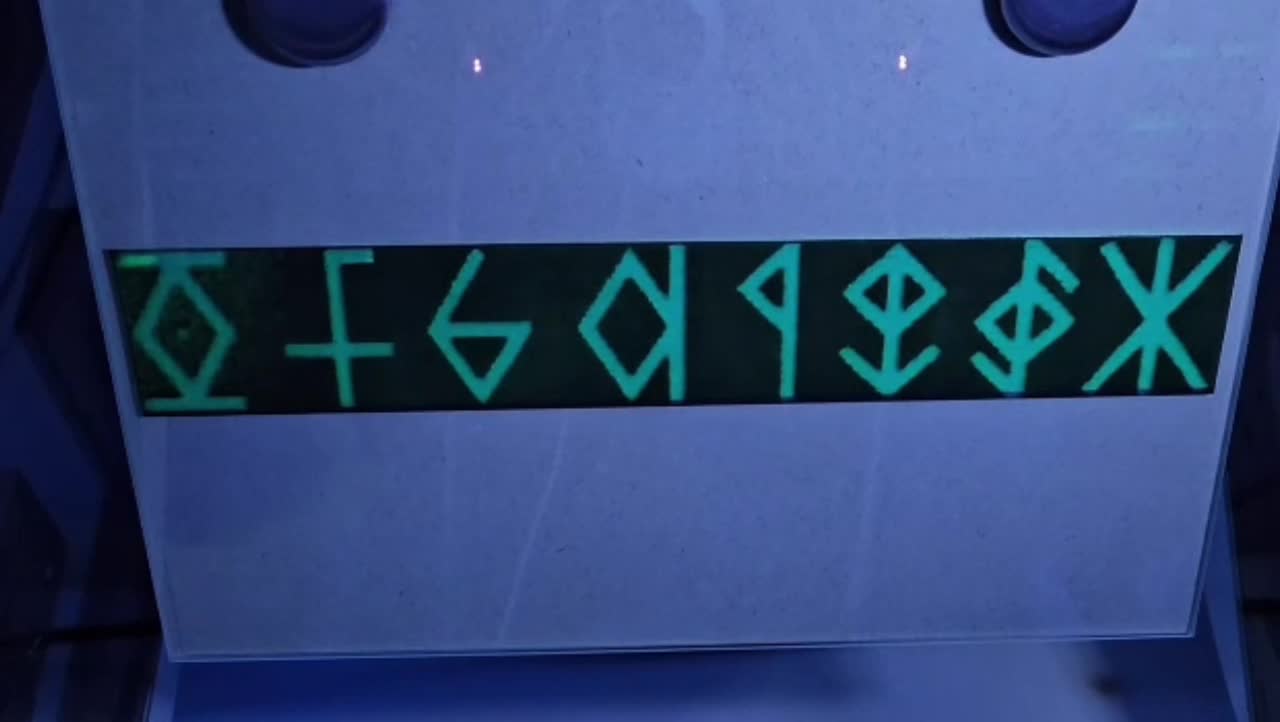
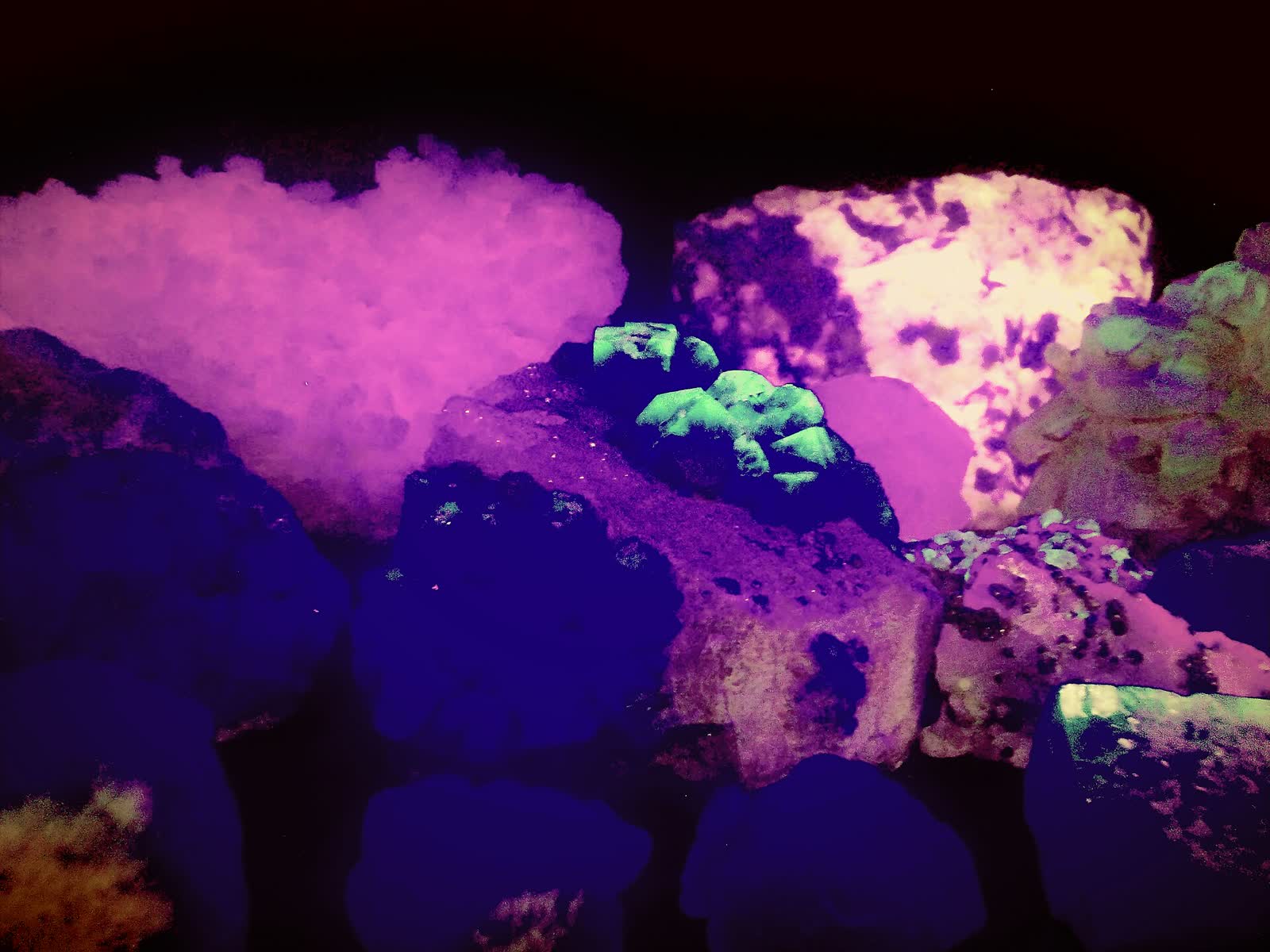
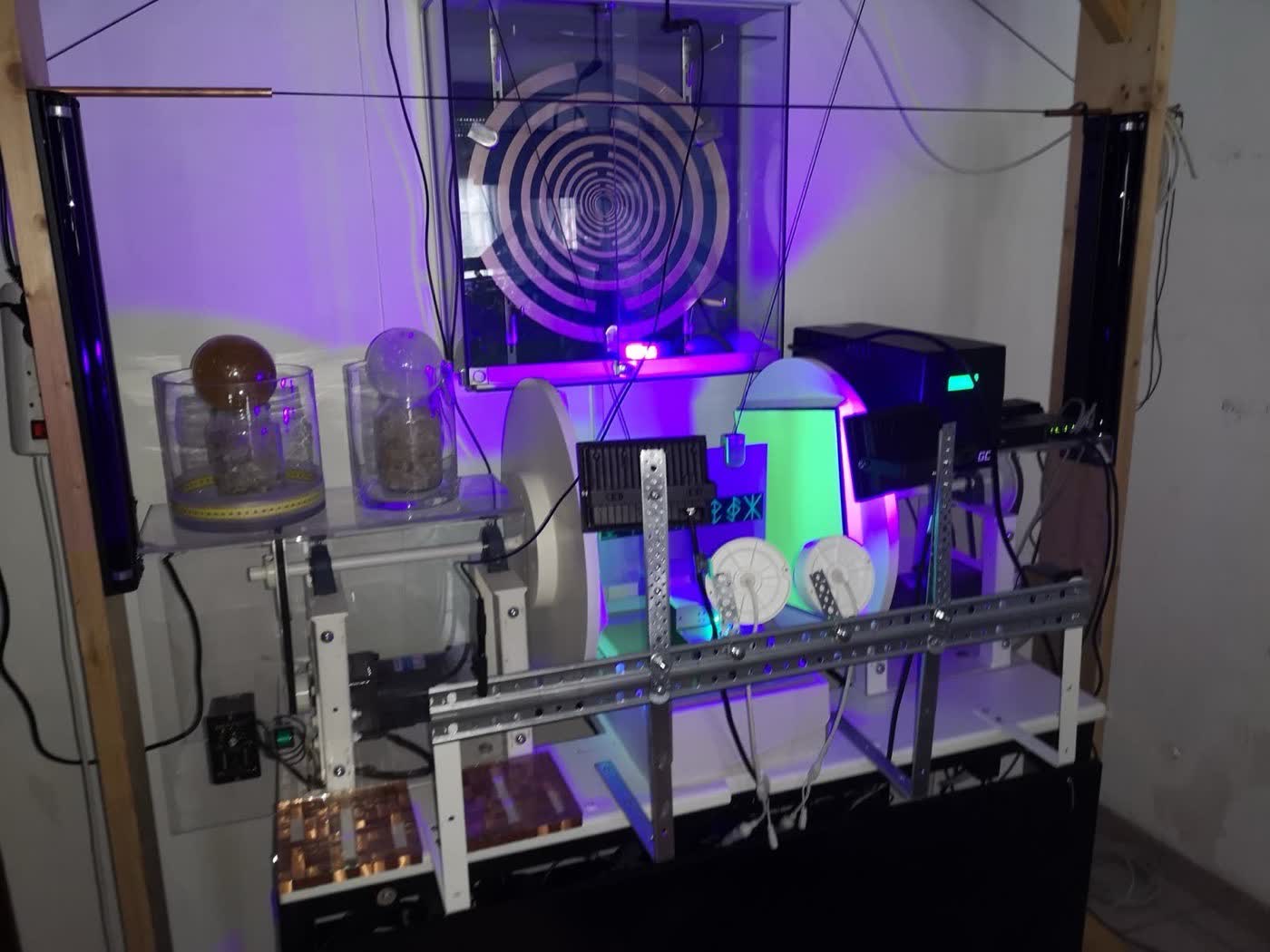
In the half-light of the workshop, a black-light lamp switches on. On a panel, a dark strip begins to glow: eight deep green signs, angular and luminous. Music rises softly.
These are the mother runes. Antoine filmed them like this, under Wood's light, with sound over the top, for those who entrusted him with a wish.
To understand this ritual, we have to go back a long way: to a tree, a god, and nine sleepless nights.
Odin and the nine nights
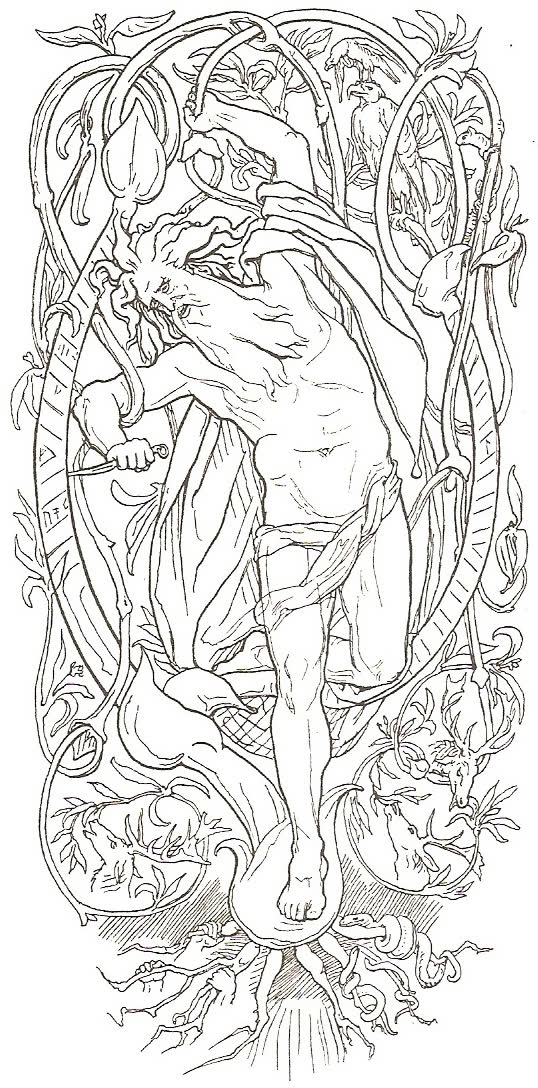
Norse mythology tells how Odin, the god of gods, wanted to learn the secret of the runes. To do so, he hung for nine nights from Yggdrasil, the world tree, wounded by his own spear, without food or drink.
On the ninth night, he looked down, saw the runes, seized them with a cry, and fell from the tree. He brought them back to humankind. It is the Hávamál, the old Norse poem of the “sayings of the High One”, that tells the story.
The knowledge of the runes was born of a sacrifice and a number: 9, the number of fulfilment, the one found in the square of the day (members' area) and in your birth number.
Yggdrasil, the world tree
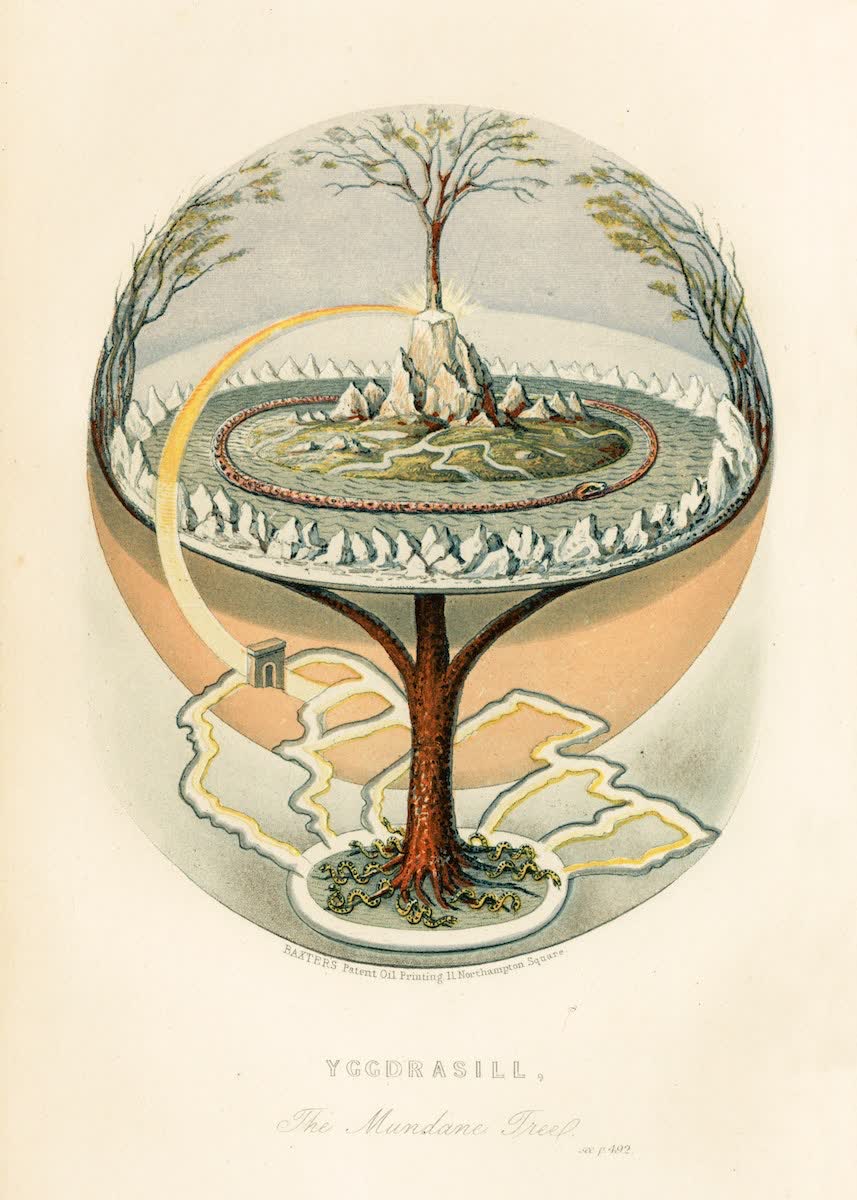
For the ancient Scandinavians, the whole universe fits inside one immense tree: Yggdrasil, an ash whose branches hold up the sky and whose roots reach down into the worlds below.
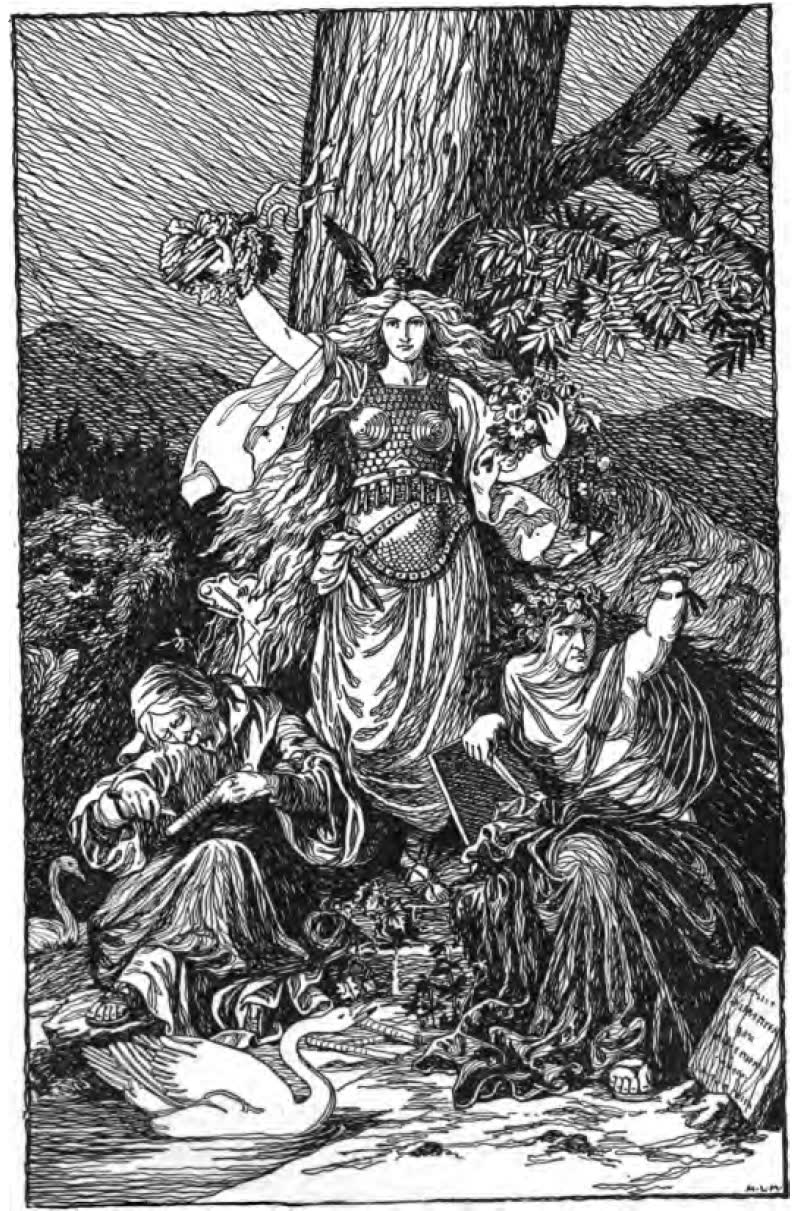
At its foot, beside a spring, live the three Norns, the spinners of fate. It is they, the legend says, who carve the runes into the wood of the tree to set the fate of humankind.
Antoine placed the runes within what he called the magical approach of Yggdrasill, one of the paths to luck he studied, alongside cosmobiology and radionics. It belongs to the same family of ideas as the tree of luck and the nail trees: the tree as a gateway between worlds.
Hugin and Munin
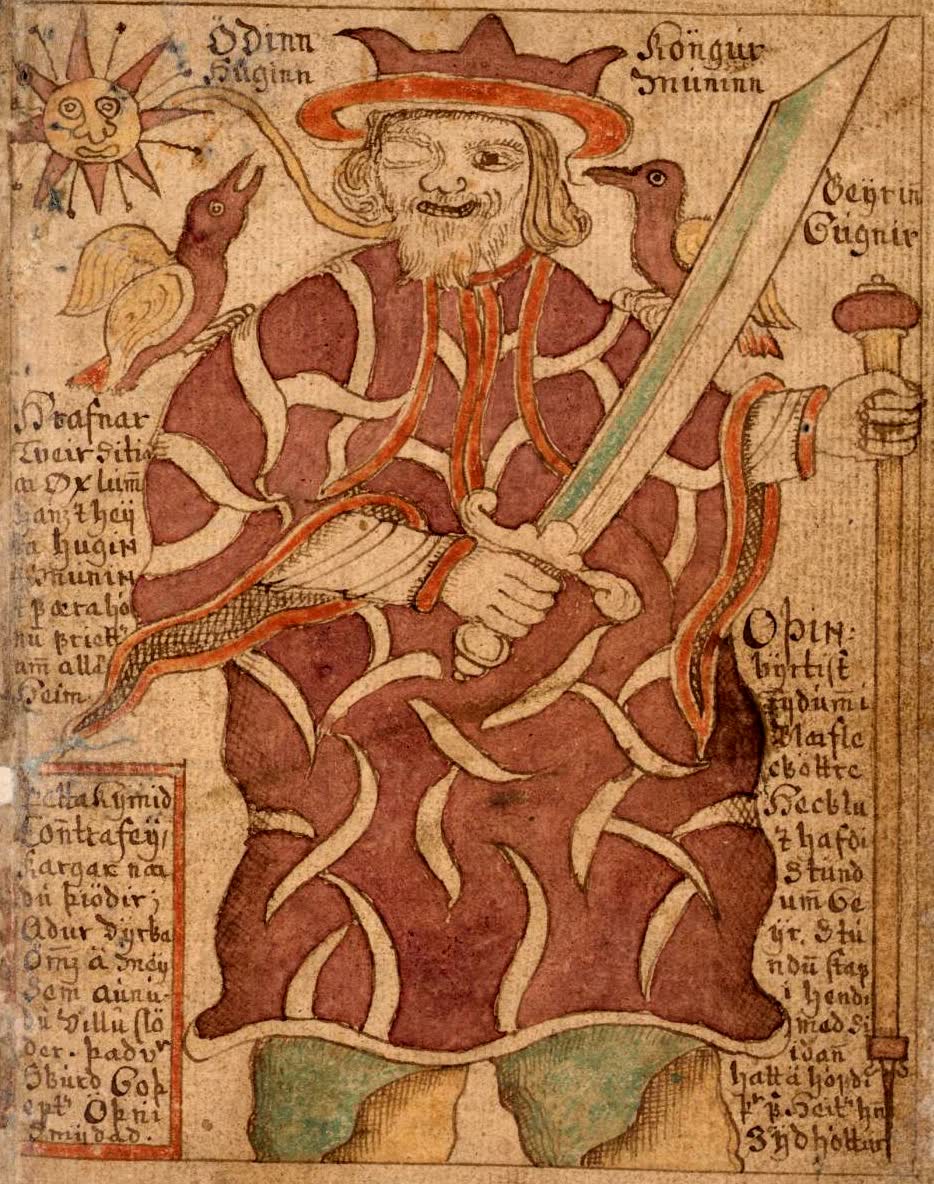
Odin had two ravens: Hugin, thought, and Munin, memory. Every morning they flew off across the world, and every evening they came back to perch on his shoulders and whisper to him what they had seen.
Antoine often mentioned their rites, the “rites of Hugin and Munin”, among the traditions of the world tree.
Forces, not letters
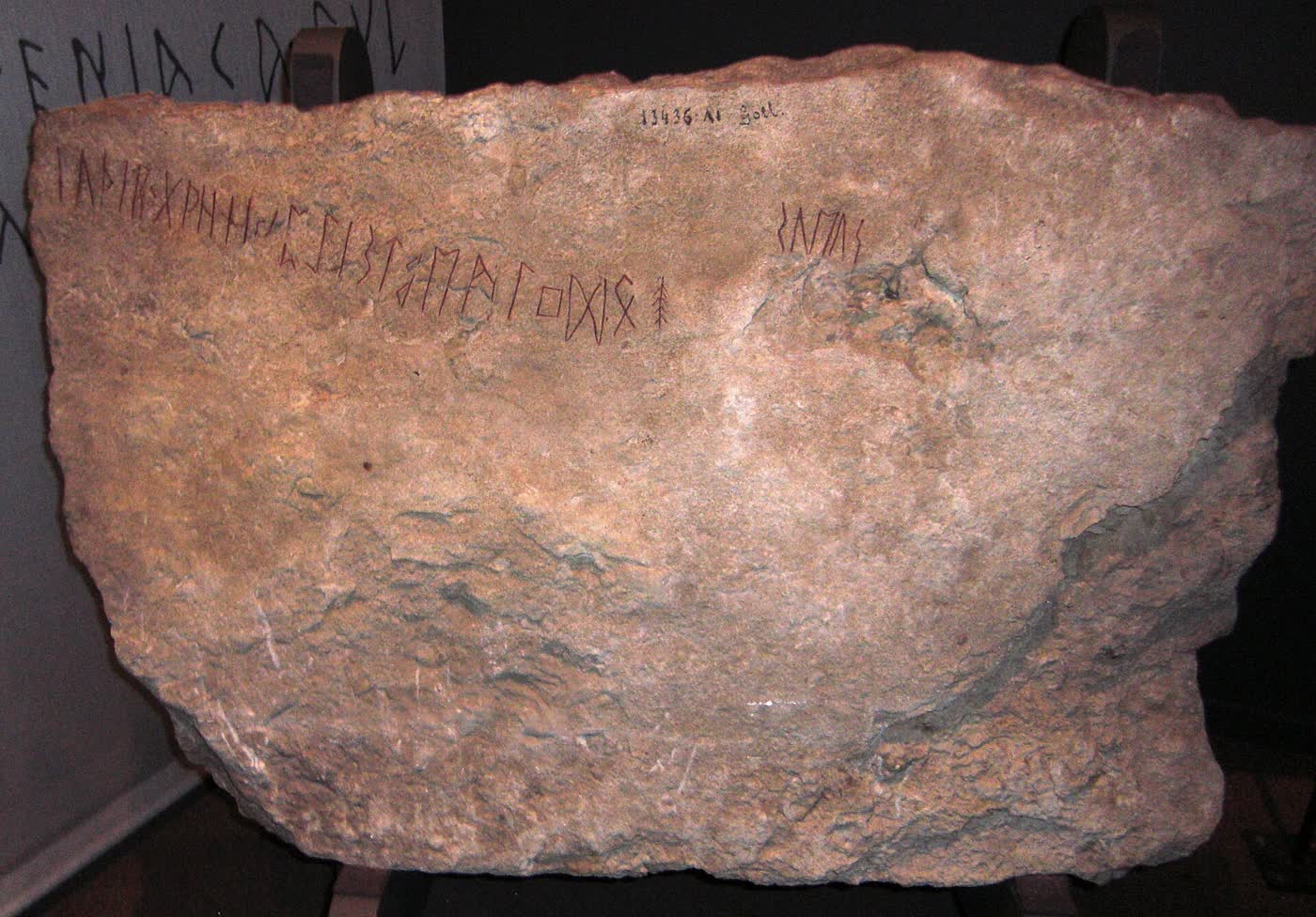
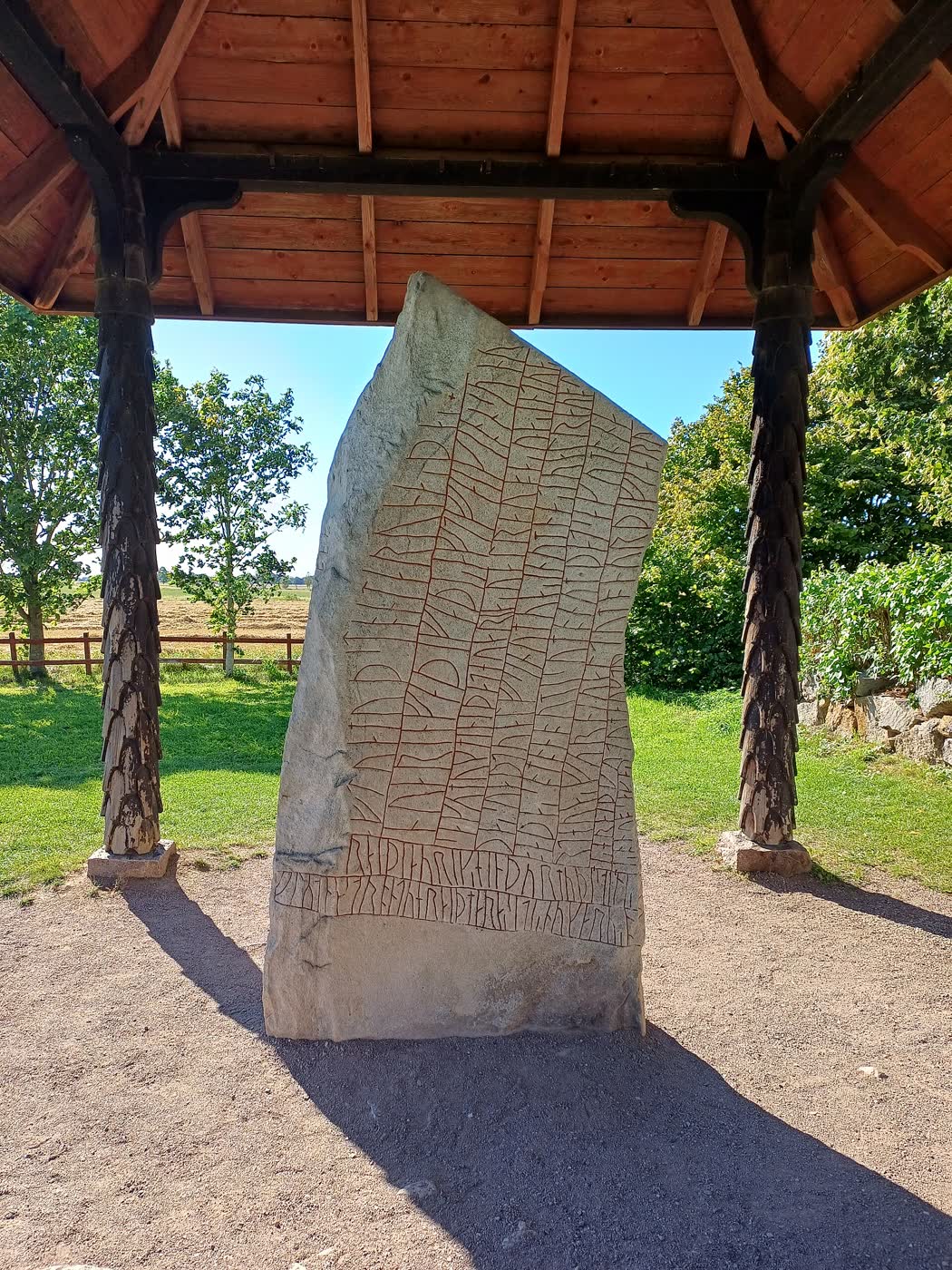
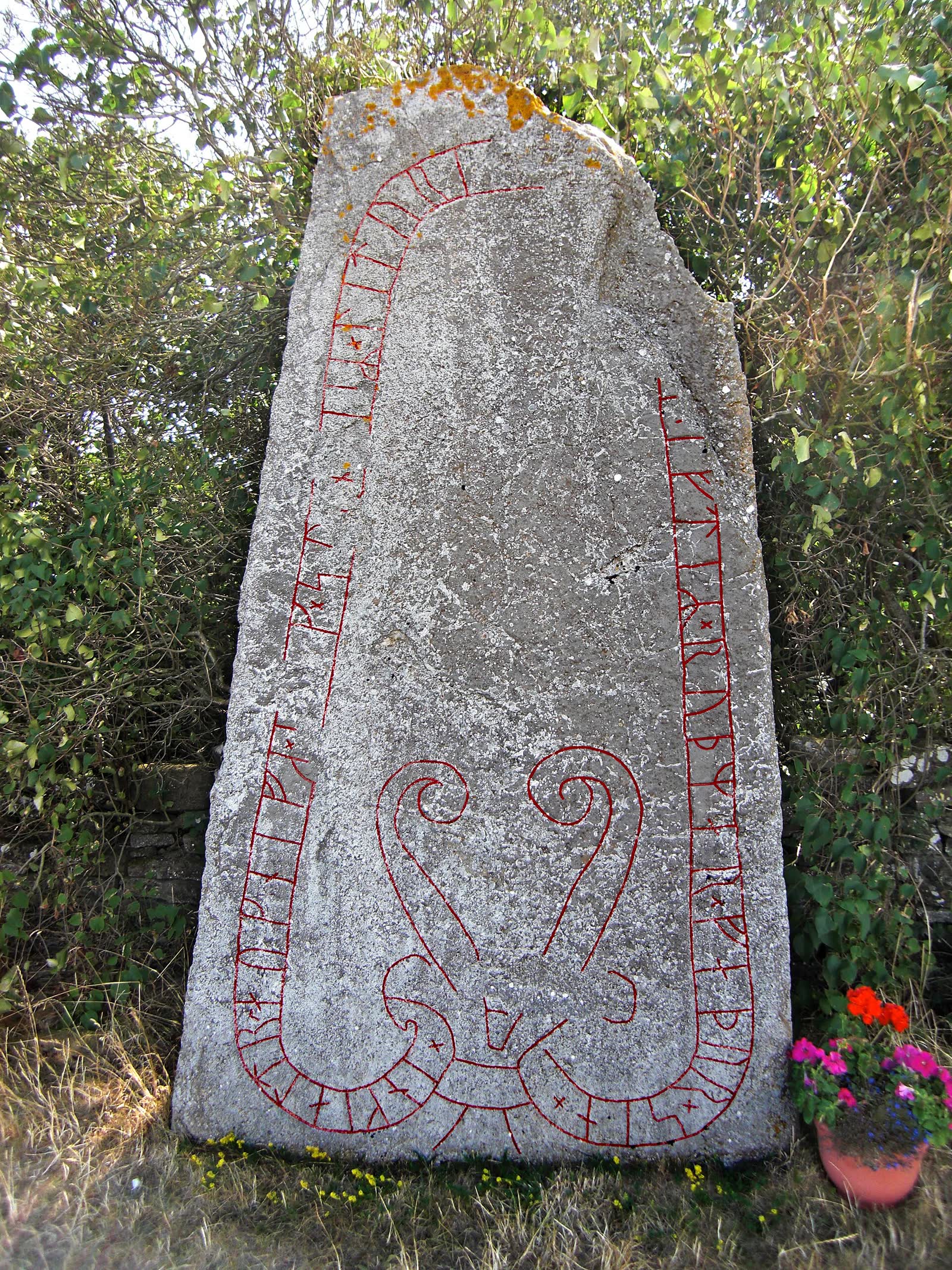
Runes were used to write the Germanic languages for more than a thousand years. The oldest runic alphabet has 24 signs, arranged in three families of eight. It is called the futhark, after its first six letters, just as “alphabet” comes from alpha and beta.
But runes were never just an alphabet. Each rune carries a name, a shape and a force. They were carved on weapons, jewellery and stones, to protect, to attract, to accomplish.
For Antoine, the runic alphabet is a system of transforming forces. The runes are the force, and the process. They show the movement, and the direction of the transformation.
The mother runes ritual
Around the runes, Antoine developed a ritual he called the mother runes. He performed it himself, in his workshop.
The strip of the mother runes. Eight signs, always the same, drawn on a dark strip: these are the mothers, the shared base of the ritual. They are the signs you see glowing in the video.
Wood's light. As with pictographic resonance, the signs only come alive under black light, which makes them fluoresce. For Antoine, this was an essential condition.
The person's code. To this shared base, Antoine added, for each person, a code that belongs to them alone. This code is never shown: as Antoine kept repeating, never share your personal code.
The sound. Antoine filmed the whole set-up under Wood's light and added music. The person receives their video, and watches it.
As with pictographic resonance, all you have to do is watch. No need to meditate, to recite, or even to believe: in Antoine's view, the runes work as a sequence, sign after sign, towards completion.
The new runes
Runes are not frozen in the past. Two researchers, Vasily Pavlovich Goch and Aleksander Kozlov, developed new runes adapted to our times, which they call the signs of co-creation. Antoine brought them into his workshop through pictographic resonance.
For other rituals from the North, read the Teutonic rite and the elder tree. And to choose the right moment, see the 4 Moon windows.
The mother runes ritual is prepared with the workshop. Write to us with your wish: we will tell you whether the runes are the right path, and prepare your code.
Frequently asked questions
What is the mother runes ritual?
A ritual Antoine performed himself: a strip of eight runes, the mothers, to which he added each person's personal code. The whole thing is filmed under Wood's light, with music, and the person simply watches their video.
Why Wood's light?
Black light makes the signs fluoresce. For Antoine, it was an essential condition, as with pictographic resonance.
Are runes an alphabet?
They were used to write the Germanic languages, but they were never just an alphabet: each rune carries a name, a shape and a force. The oldest runic alphabet, the futhark, has 24 signs.
Who are Hugin and Munin?
Odin's two ravens: Hugin, thought, and Munin, memory. Every morning they flew across the world and came back to whisper to him what they had seen.
Can I show my personal code?
No. Antoine was firm about it: never share your personal code.
Free guide · Alchimixe GPS
Stack the Odds in Your Favor
Feel like it always lands on you? A bad patch has a shape, and a calendar to get out of it.
Get the free guide