Be very discreet when you pass this information on.
Warning at the top of Antoine's card
Antoine opened his card with a warning. Then with a sentence he didn't often write: “The greatest secret of the Teutonic Order, revealed in broad daylight.”
This secret comes down to three things: a medal, a tree and a place. Each one, he said, takes you a third of the way.
The Teutonic Knights
The Teutonic Order was born during the Crusades, at the end of the 12th century, to protect and care for pilgrims travelling to the Holy Land. It was both a religious and a military order, whose members took vows. Only the nobility of the Germanic Empire could join.
Through conquests and donations, the Order built up castles and farms across an immense territory. It still exists today, in Austria and Germany, now a spiritual order devoted to care, with its headquarters in Vienna.
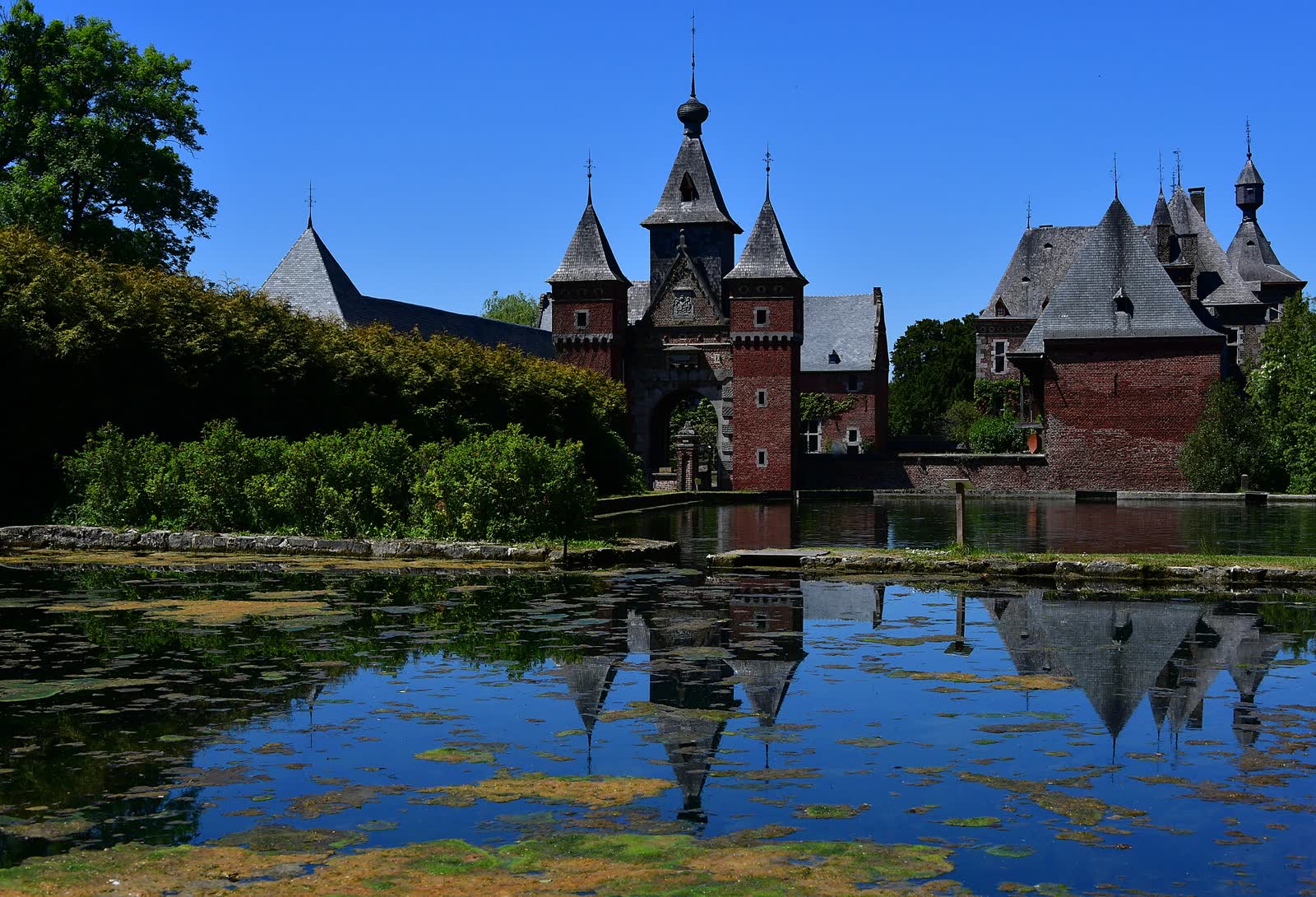
In our part of the world, one of its houses stands in the Fourons (Voeren), between Liège and Maastricht: the Commandery of Fouron-Saint-Pierre. In 1234, Antoine said, a certain Daniel de Fouron joined the Order, and his estate became a commandery. The whole village belonged to it for centuries, within the great commandery of Alden Biesen. The castle took on its present appearance between 1607 and 1626. After the French Revolution, in 1798, the Order lost its possessions in our region, and the castle is now a private property.
The first third: the medal
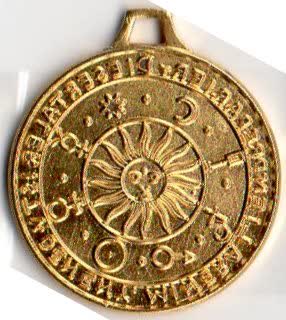
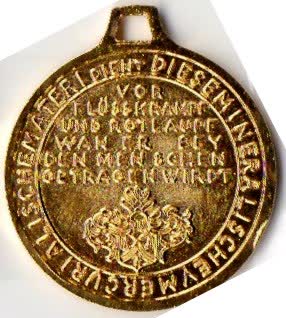
The first step is a medal. Antoine described it precisely:
- gilded brass, 23 millimetres across, weighing 6 grams;
- on the front, a sun circled by eight planetary symbols, ringed by a formula engraved in Old German;
- on the back, another formula in Old German, to which the old Germanic tradition attributed surprising powers, above all that of favouring bonds of love and affection.
- Slide the medal onto a 108-bead chain, the same as for the Buddha's Foot.
- Hang it around your neck, back facing your body.
- Wear it for nine days at most.
“At this stage,” Antoine wrote, “you have already come a third of the way.”
The second third: the elder
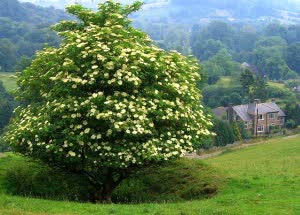
The second step is a tree. The elder.
Antoine called it magical in more ways than one. Its element is fire, its day Friday: the elder is linked to Venus, the planet of love. In the old days, people said that stopping keyholes with its leaves kept evil spirits out, and that carrying an elder leaf protected you from misfortune and kept hatred and jealousy away. Planted near a house, it protected it from lightning and thieves.
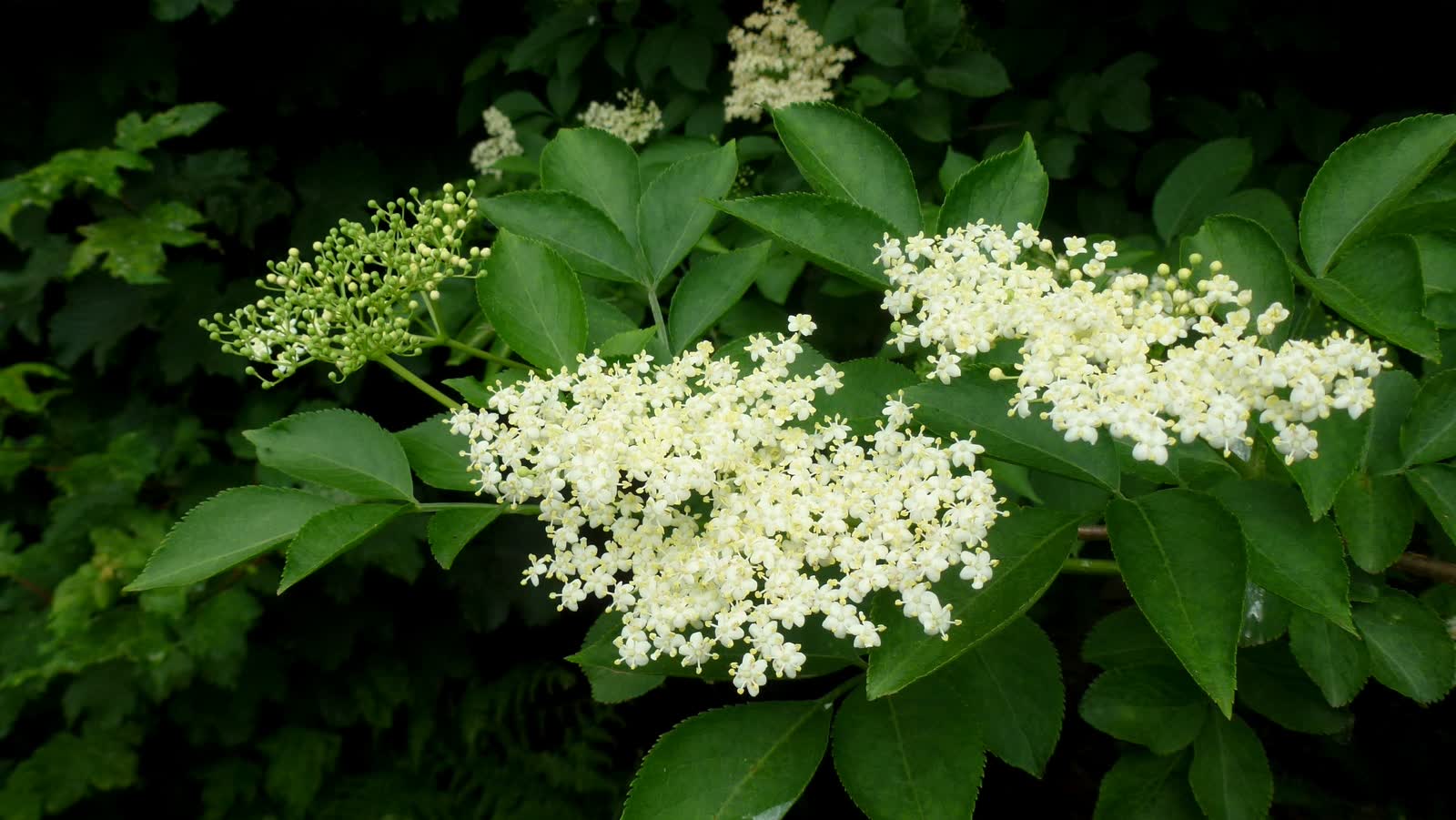
It is a fairy tree. In spring, its myriad small white flowers “materialise”, Antoine wrote, the presence of elves, and bring the joy of living. Its wood was used to carve whistles and magic staffs. And Antoine noted with a twinkle that the most famous wand in children's literature is made of elder too.
The flower in five parts
Antoine lingered over the flower. The elderflower has five parts: it is an entirely pentatonic flower, built on five. And five, he reminded us, is everywhere in living things: in the pentagon, in the five-pointed star in which Leonardo da Vinci drew the human body, in the five fingers and five toes, even in the starfish.
For him, the elderflower is an energy harmoniser, just like the dodecahedron, the solid with pentagonal faces.
The wish of the flower
Each elderflower, Antoine said, can accomplish a wish. But this force can be greatly amplified by two complementary levers: a formula, and a place of high vibration. “That is the true secret of the Teutonic Order.”
The Teutons, and the druids before them, steeped elderflowers in alcohol. Antoine drew the second step of the rite from this:
- Over nine days at most, slowly drink a bottle of elderflower liqueur, always of the same brand, keeping the medal around your neck until the bottle is finished.
- You alone drink from this bottle. And each time, you think of the same wish.
- The words don't matter: only the intention counts.
He added that drinking it during the hours of Venus brings something extra, and that the process is quicker for those who have Venus among their favourable planets. To strengthen the intention, he advised saying the sacred syllables od, er, im, is, al.
Alcohol is always drunk in moderation. If you don't drink alcohol, Antoine suggested an elderflower perfume or eau de toilette instead, or a harmonising set-up with a dodecahedron and your film photograph.
“At this stage, you have come two thirds of the way.”
The last third: the place
The last step seals the wish in the egregore of the Order.
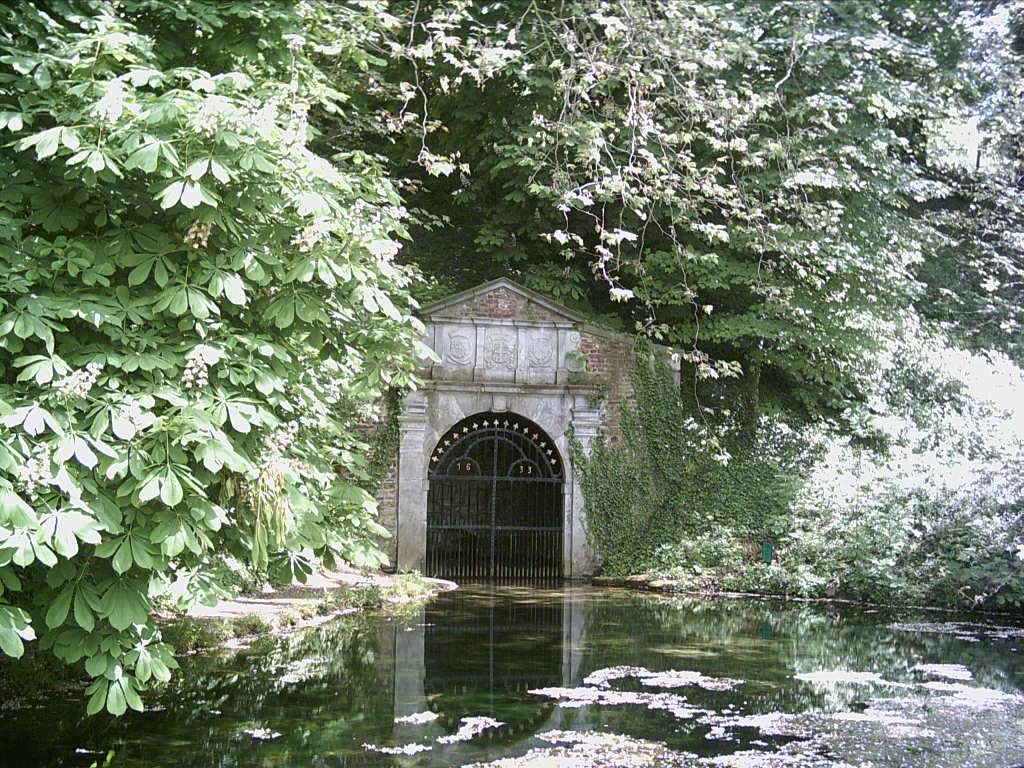
The high place Antoine named is the Foron spring, a sealed fountain at the foot of the Commandery of Fouron-Saint-Pierre. Legend has it that Charlemagne was conceived there. The gesture recalls the one at the chapel of Noblehaye: biting a bar of the railing, with the medal around your neck.
Then you close the circle with the tree: you wind your 108-bead chain around a living branch of black elder, Sambucus nigra. Antoine even advised planting one in your garden: it is, he said, a very powerful good-luck charm.
The fountain is on private land, which is not open to the public. Never go there without permission. That is why Antoine provided the distance version below.
If you cannot travel
Antoine suggested sealing the wish at home, with a cross chosen according to your roots:
- Germanic roots: the Teutonic cross;
- Anglo-Saxon or Breton roots: the Celtic cross;
- Latin roots: the Occitan cross.
- Reproduce the cross in A5 format, or get hold of one.
- Circle it with your 108-bead chain.
- Place the medal in the centre of the cross.
- Let a Ram candle drip onto the medal, thinking very hard about your wish, and keep an eye on the flame the whole time.
Once the candle has burnt out, the intention is sealed. A very old practice also consists of placing a little elder pith facing each corner of the cross.
Antoine could also carry out the gesture at the fountain and the elder himself, and send back a photo as proof.
Where to choose your elder
Antoine gave precise advice on choosing the elder around which to wind your chain. Favour places where life feels good: near an equestrian centre (the Order was above all an order of knights), a charming hotel, a good restaurant, a lively tea room. Always avoid places of suffering and sadness.
He mentioned two spots in and around the Fourons: the elders near Altembrouck castle, in Fouron-le-Comte, said to be “easy”, and the one at Millen, reputed to be more “difficult”.
After the rite
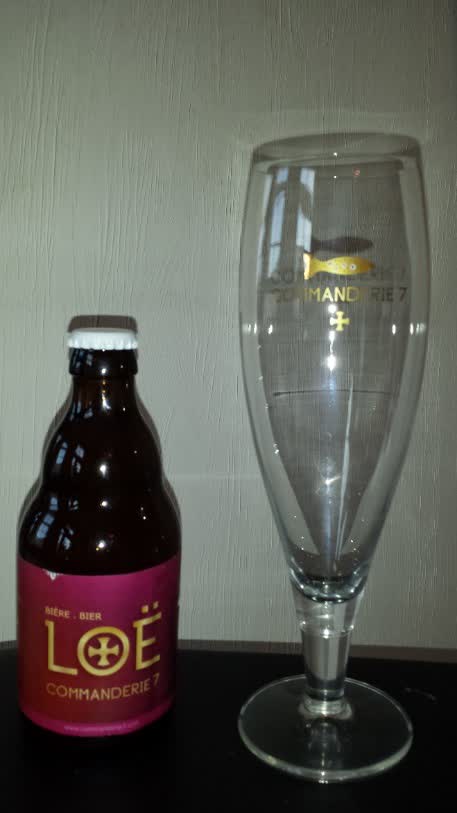
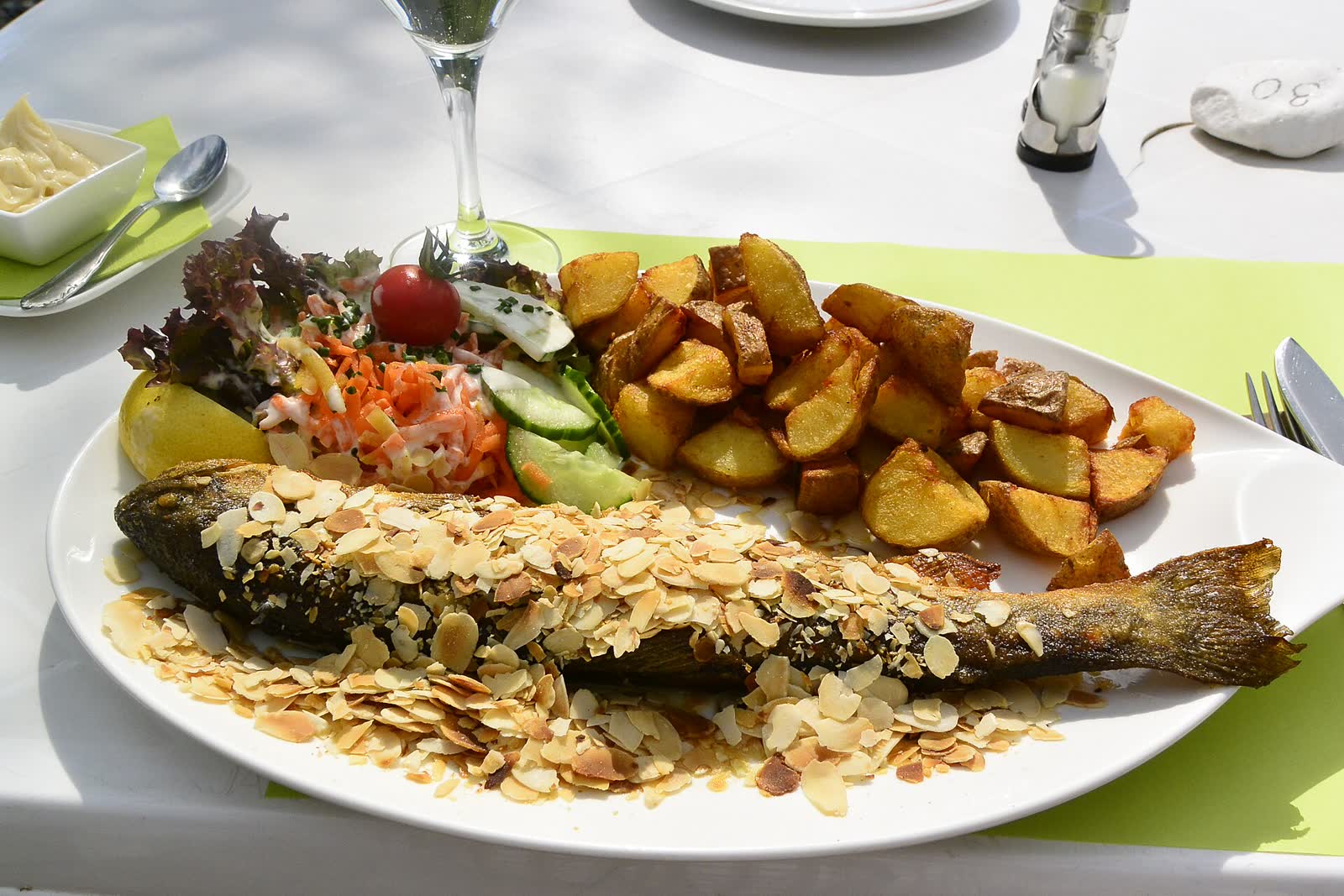
Antoine ended, as always, with a little bit of life. At the Commandery, a fish farm serves trout. And they brew a beer bearing the cross of the Order, LOË. “Don't hesitate,” he wrote, “to tell us your places, your results, and what you felt while enjoying a LOË on the spot.”

“You don't need to be a believer at all to succeed with this rite,” he added.
Would you like the Teutonic medal, or would you like the workshop to carry out the gesture at the fountain and the elder for you? Write to us with your wish.
Frequently asked questions
What is the Teutonic rite?
A three-step rite that Antoine presented as the great secret of the Teutonic Order: wear a medal engraved in Old German, drink elderflower liqueur while thinking of your wish, then seal the wish at the Foron spring and around an elder tree.
How long do you wear the medal?
Nine days at most, on a 108-bead chain, with the back facing your body.
Why the elder?
For Antoine, it is a fairy tree linked to Venus, and its five-part flower is an energy harmoniser. Each elderflower can accomplish a wish.
Can you visit the Commandery's fountain?
It is on private land, which is not open to the public. Never go there without permission. Antoine provided a distance version, with a cross chosen according to your roots and a Ram candle.
Do you have to drink alcohol?
No. Antoine also suggested an elderflower perfume or a set-up with a dodecahedron. And alcohol is always drunk in moderation.
Free guide · Alchimixe GPS
Why Do I Keep Living the Same Love Story?
The faces change, the story starts over. It isn't a flaw: it's a pattern, and a pattern shows up in a chart.
Get the free guide