People put far too much weight on earning money. In truth, I think success can be put down to 95% luck and 5% talent.
Julius Rosenwald, former president of Sears, quoted by Antoine
Julius Rosenwald ran one of the largest companies in the United States in the early 20th century, the Sears stores. When asked about his success, he spoke of neither genius nor hard work. He said he knew perfectly well that many of his employees could have run the company as well as he did. "The only difference between them and me is that the right opportunities didn't come their way."
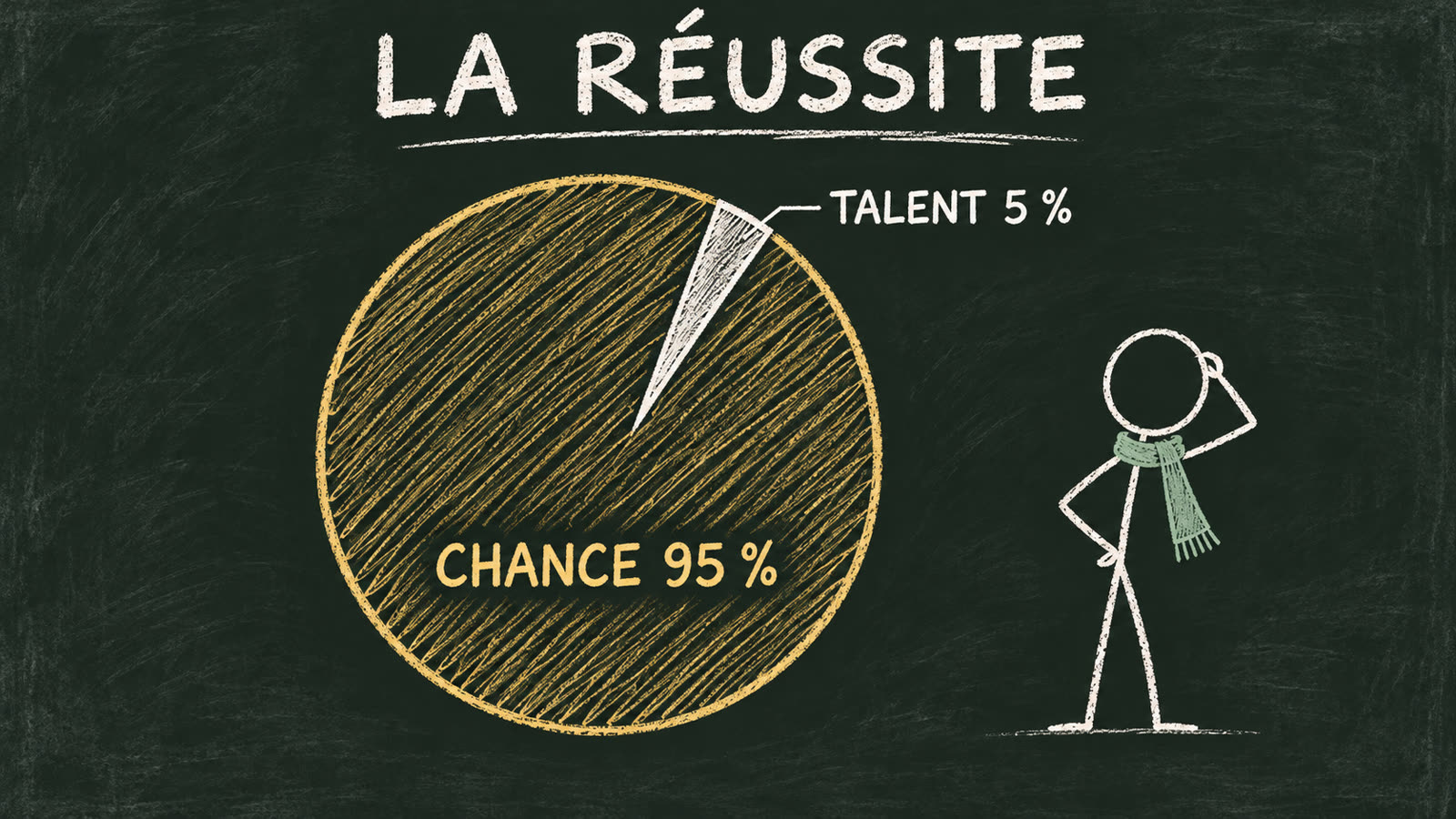
Antoine put this sentence at the top of his manual. Because it says everything. Luck has an essential influence on our lives. A few seconds of bad luck can reduce years of effort to nothing. Luck has the power to turn the improbable into the possible: to make the difference between reward and ruin, between happiness and despair.
So, can luck be learned?
Neither blessing nor curse
In the chapter of his manual devoted to the School of Luck, Antoine asked two questions:

Why do some people feel they were born under a lucky star?
Why, on the contrary, are others certain the gods have cursed them?
And he answered without beating about the bush:
No, luck is not a blessing that falls on you from the sky, and bad luck is not a curse you can do nothing about. Yes, like memory or intelligence, luck is also a faculty that can be worked on and improved.
Antoine de Saint-Christophe
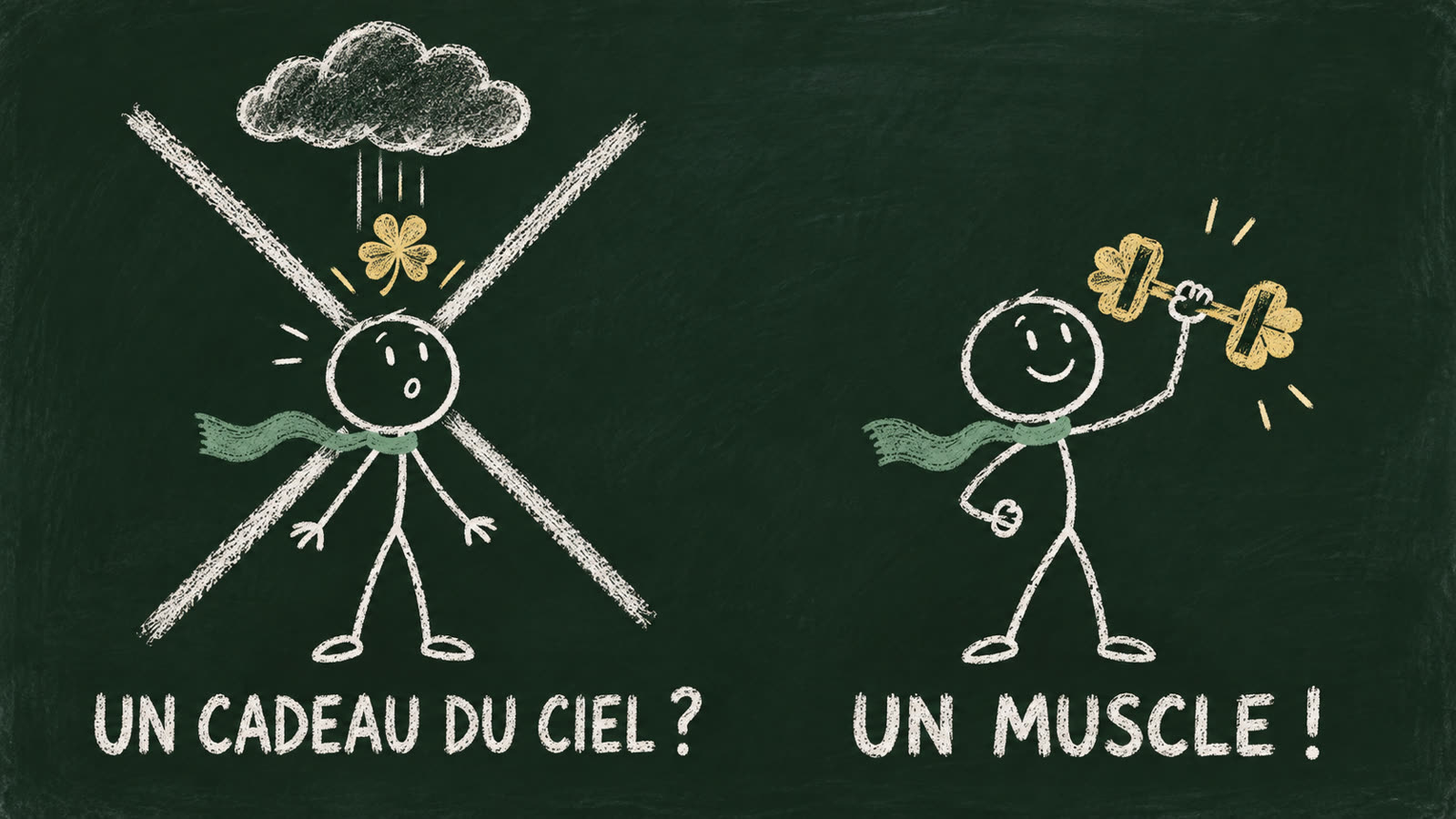
This is what he called the mental side of luck: our luck capital, which can be assessed and developed.
Dr Wiseman's discovery
For this part of his teaching, Antoine drew on the work of a British researcher: Richard Wiseman, psychologist at the University of Hertfordshire, whose research on luck has been published in major scientific journals.
For years, Wiseman observed, interviewed and tested a large sample of particularly lucky and particularly unlucky people. And he found that lucky people follow, without knowing it, four principles and twelve habits. Because being in the right place at the right time is not entirely down to chance.
Here are those principles, as Antoine taught them.
First principle: make the most of opportunities
Lucky people create opportunities, notice them, and act on them.
Three habits help them do it:
- They build and maintain a strong network. The more people you know, the more routes opportunities have to reach you.
- They have a relaxed attitude to life. A tense mind only sees what it is looking for. A relaxed mind also sees what it wasn't looking for.
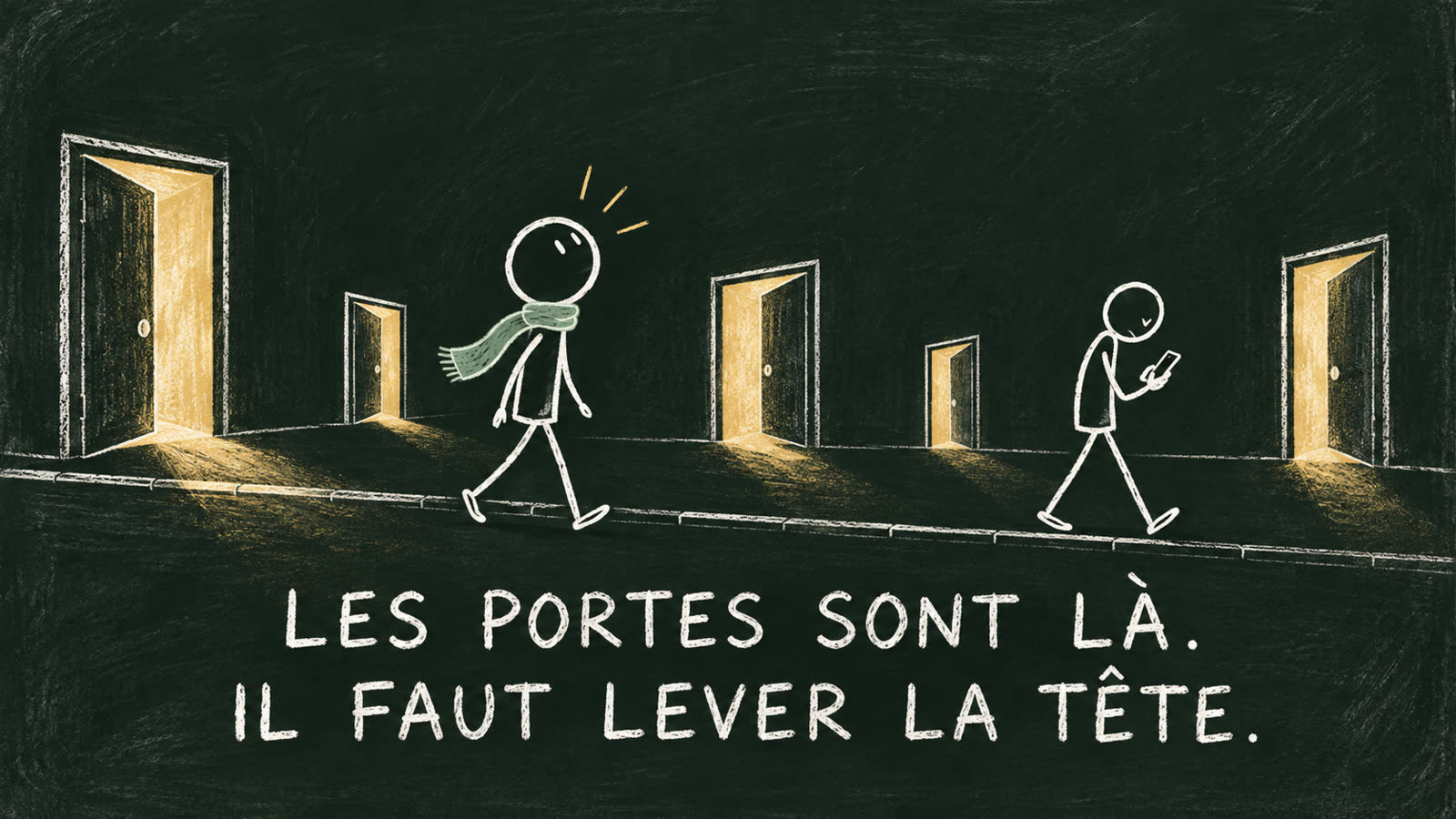
- They are open to new experiences. Changing your route, talking to a stranger, trying something different: so many doors that open.
That's exactly what happened to Antoine at the top of a little Swiss train, the day a stranger gave him a book. Read: the man on the little train.
Second principle: listen to your intuition
Lucky people make decisions by trusting their intuition and their gut.
Two habits:
- They listen to their "inner voice". That small, inexplicable unease in front of an offer that's too good to be true. That sudden urge to call someone.
- They take steps to develop their intuition. Calm, meditation, time to think before deciding.
Antoine added his own tools to this list. The pendulum, which makes visible what intuition already knows. And, for big decisions, the Mont des Géants, where the answer comes in a dream.
Third principle: expect good fortune
Lucky people hold expectations that help them fulfil their dreams and ambitions.
Three habits:
- They expect their good luck to continue.
- They pursue their goals even when the odds are slim, and they persevere in the face of failure.
- They expect their dealings with others to be fruitful and rewarding.
In the same spirit, Antoine liked to quote Heraclitus:
If you do not hope for the unhoped-for, you will not find it.
Heraclitus, quoted by Antoine
Fourth principle: turn bad luck into good fortune
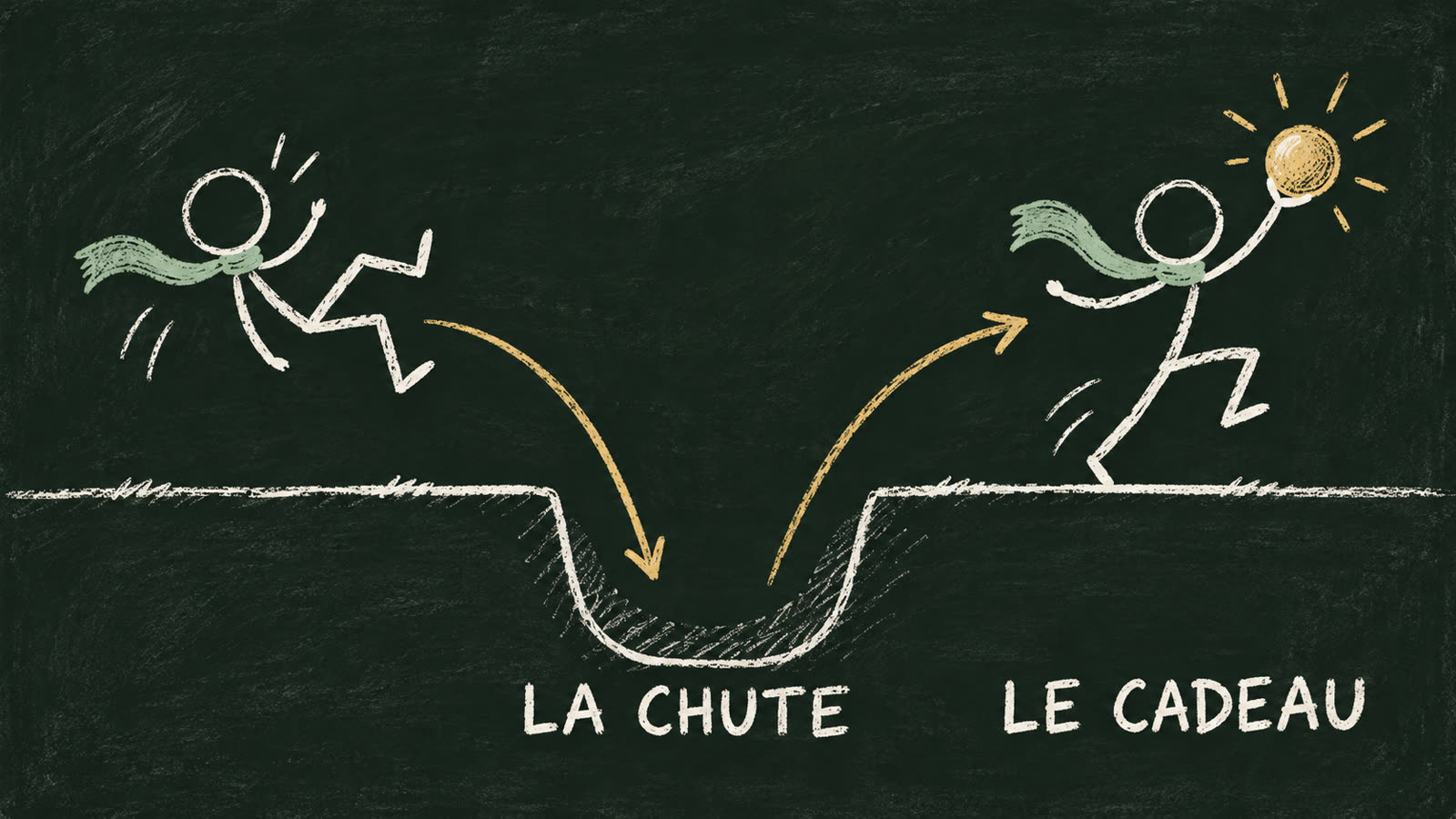
Lucky people are able to turn bad luck into good luck.
Four habits:
- They see the positive side of their bad luck.
- They are convinced that any blow of fate will lead to something positive.
- They don't dwell on things.
- They take concrete steps to avoid living through the same bad luck again.
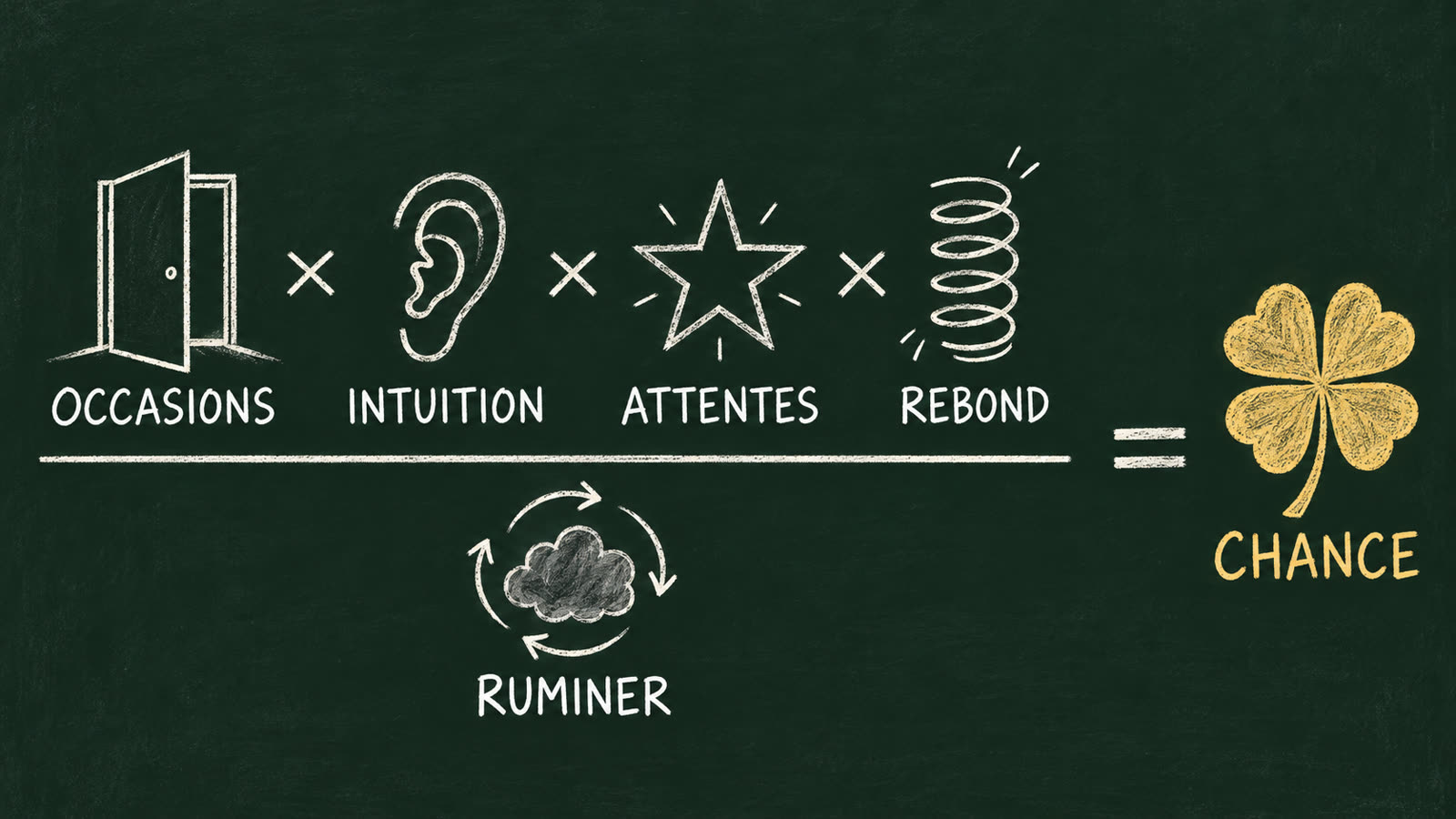
The four principles at a glance
| Principle | What lucky people do |
|---|---|
| 1. Opportunities | They create them, notice them, seize them |
| 2. Intuition | They listen to it and cultivate it |
| 3. Expectations | They expect the best and persevere |
| 4. Bad luck | They transform it, without dwelling on it |
The Lucky Club
Antoine didn't stop at psychology. In the next chapter of his manual, he told the story of Otto Brock's Lucky Club.
Otto Brock's club, he wrote, was always a luck club founded above all on the applications of cosmobiology and micro-vibratory physics. But other avenues were always welcome there: Dr Wiseman's psychological perspective, the Nordic magic of Yggdrasill, the new applications of radionics.
Its members had a motto: always more, never less. And they recognised one another by a sign: wearing the Star Gate, the last luck sensor Otto Brock developed. Their favourite meeting place was the Italian enclave of Campione, on the shore of Lake Lugano, and Monte San Salvatore above it, which they nicknamed "the prana hill".
The club's maxims
Antoine had kept a few of the club's maxims, full of common sense and humour.
We live the consequences of our choices.
Maxim of the Lucky Club
Don't stay next to a bad neighbour. "Leave: you'll come out ahead." Antoine quoted the Belgian proverb: Whoever isn't happy with their neighbour should move their house back. It's the very logic of the birthday trip: changing place changes luck.
Get insured. Because, as everyone knows, Antoine noted mischievously, when you cover yourself in insurance, nothing ever happens. It's the law of "universal vexation".
If you apply Otto Brock's principles of luck, you will be part of the lucky club, just as surely as the sun is likely to rise tomorrow morning.
Antoine de Saint-Christophe
The mind, then the cosmos
For Antoine, the four principles are the foundation. An open mind spots the doors. But you still need to know when they open, where to be, and what form to carry.
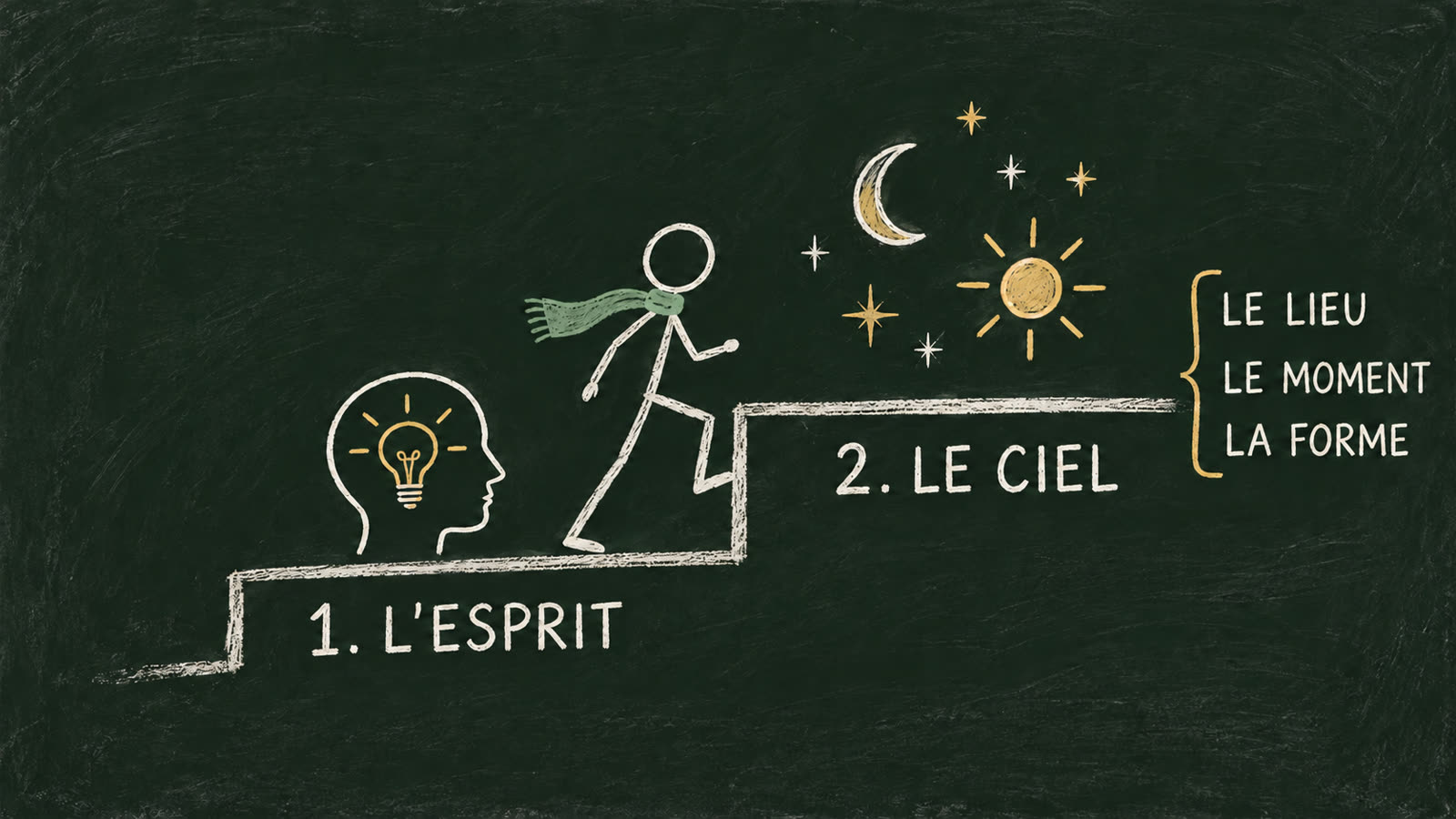
That's all the rest of his work:
- the place: the birthday trip and the places of luck;
- the moment: the 52 lucky days and the 7 seasons of your year;
- the form: your personal magic square, Fortuna Major, the rituals.
Your exercise for the week
To put these principles into practice starting today, here is one exercise for each.
- Opportunities: this week, talk to three people you don't know.
- Intuition: before each decision, give yourself one minute of silence, and note what you feel.
- Expectations: write down three happy things you are expecting this month.
- Bad luck: go back to your latest setback, and write down what it taught you.
Your mind is ready, and you want to move on to the second step, the place, the moment and the form? Write to the workshop.
Frequently asked questions
What are the four principles of lucky people?
Making the most of opportunities, listening to your intuition, expecting good fortune, and turning bad luck into good fortune. Antoine drew on the work of the British psychologist Richard Wiseman.
Can luck be learned?
For Antoine, yes: the four principles are the foundation. An open mind spots the doors. Then you need to know when they open, where to be, and what form to carry.
What was the Lucky Club?
The club founded by Otto Brock, a luck club based above all on cosmobiology and micro-vibratory physics, where other avenues were always welcome.