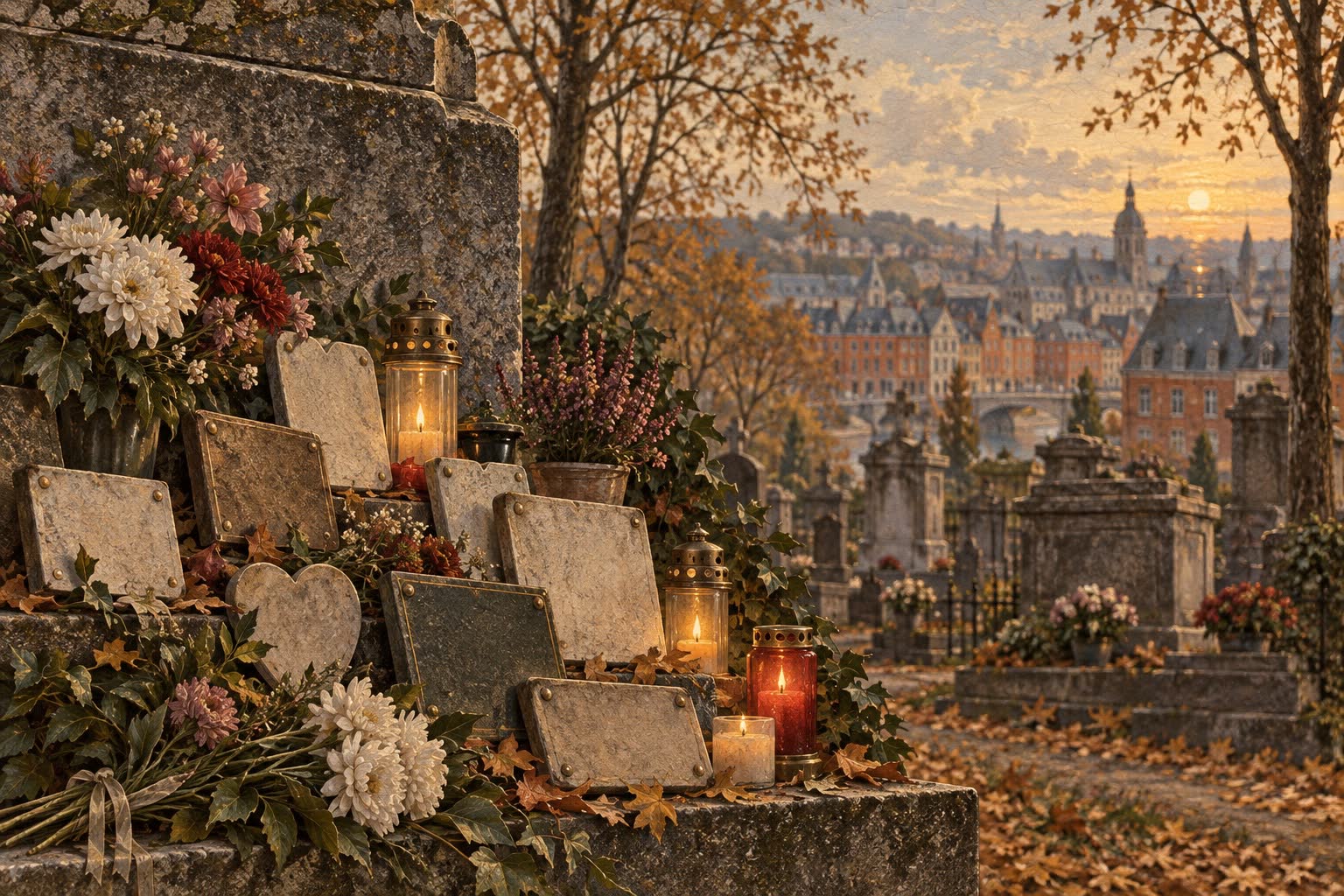
There is something stronger than death: the presence of the absent in the memory of the living.
Epitaph noted by Antoine
Liège has always been a land of guérisseurs (traditional folk practitioners), mediums and benefactors. Simple men and women, often poor, who received everyone without asking for money, and outside whose doors people queued from dawn.
They are dead. But for many people in Liège, they have not gone. Their graves are covered in flowers, ex-votos and little thank-you plaques. People come to ask for a grace there, as they once came to knock at their door.
Antoine called them quests for grace. Here is the list as he drew it up, with what each one was known for and the exact way to find each grave.
Two of them have their own article: Henri Lacroix, the dowser of Sainte-Walburge born with a caul, and Denis Randaxhe, the mage of Herstal.
Father Antoine, in Jemeppe
Louis Antoine, whom everyone calls Father Antoine (Père Antoine), was born on June 7, 1846 and died on June 25, 1912. He is the founder of the Antoinist cult, a religious movement born in Jemeppe-sur-Meuse, which still has its temples in Belgium and France today.
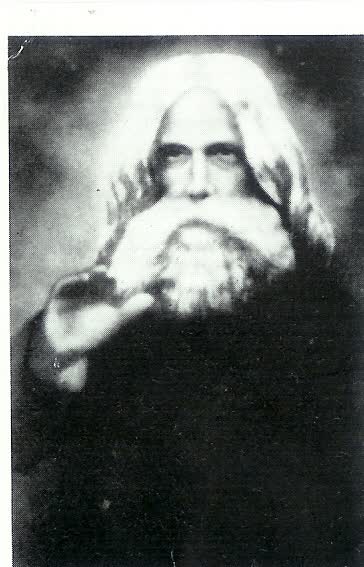
Antoine reported that he had been found mummified when his tomb was renewed.
Father Antoine, he wrote, carries on an egregore of generosity, charity and readiness to help the poor and the defenceless. People come to his grave for contemplation, meditation, reflection, and spiritual help.
To be respected without fail. The epitaph asks it: "To respect the thinking of Father and Mother Antoine, we ask you to leave nothing on this grave." So nothing is left there.
Where to find him: in the old cemetery of Jemeppe-sur-Meuse. At the main entrance, Father and Mother Antoine rest in the first tomb on your right.
Auguste Monjardin, the carillon player, at Robermont
Auguste Monjardin was the carillon player of the church of Saint-Jean, in Liège. He died in 1934. His body rests beneath a bell of dressed stone.
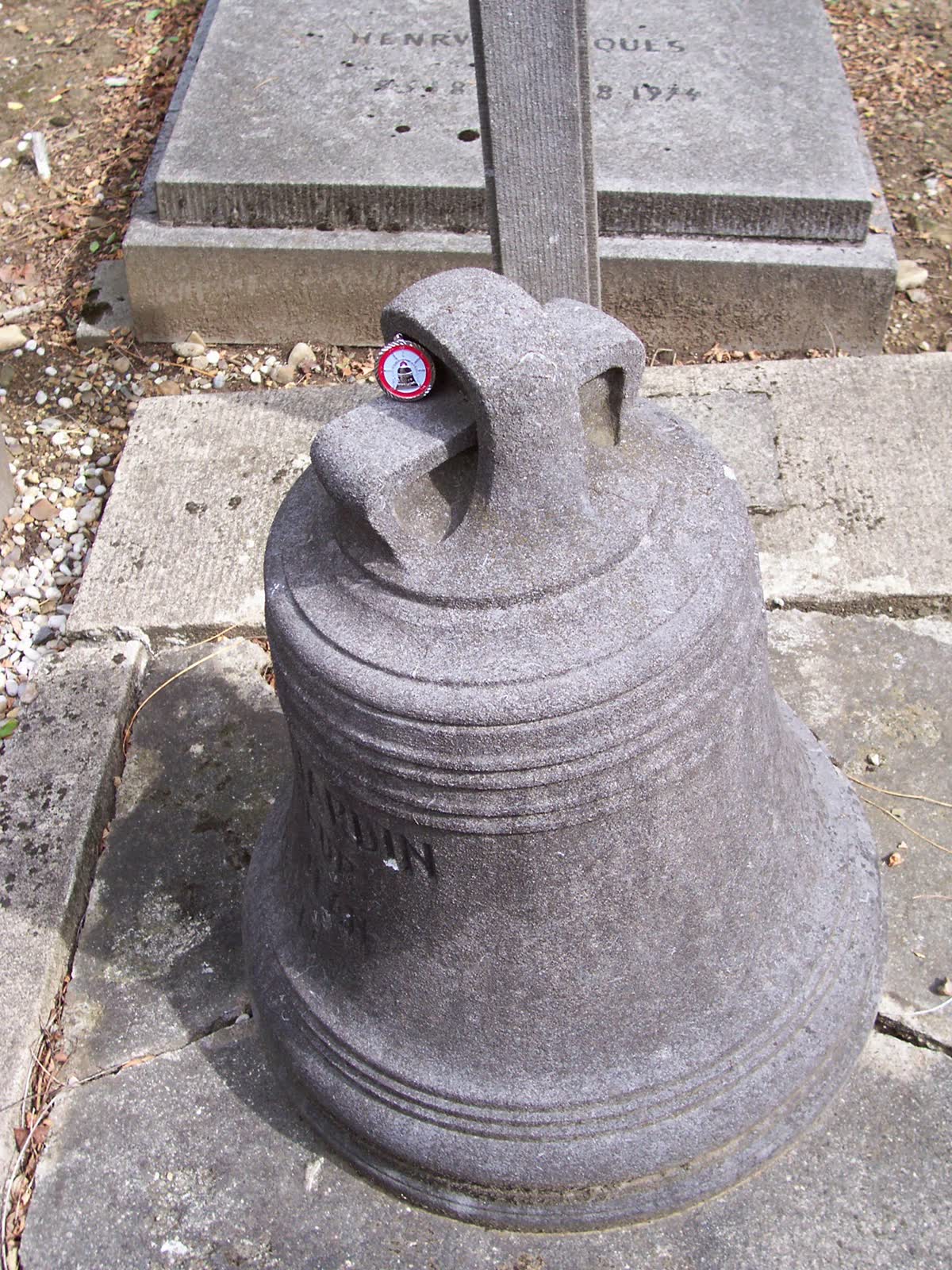
Here, you don't come to ask for a grace. You come to strengthen the principle of luck in general, and amplify the resonance effect, with no particular intention.
The gesture is very simple. For a few moments, you lay on the grave:
- either a little bell that will then hang from an animal's neck;
- or a medal showing a bell of necromancy, which you will then wear around your own neck.
As at every emissive place where the animal kingdom plays a part, Antoine advised scattering a little mandrake root at the foot of the tomb.
Where to find him: in the Robermont cemetery, in Liège. At the main entrance, carry straight on to the building called "La Chapelle". Take the second path on your right: on the seventeenth tomb of the second row stands a stone bell, with the inscription "Auguste Monjardin, carillonneur, église Saint-Jean, regrets éternels".
Marie Lecoquay, at Fécher
Mademoiselle Marie Lecoquay was born on June 17, 1901 and died tragically on June 7, 1938. Antoine described her as a true angel of charity and purity. Her whole life was told in a book of nearly two hundred pages, and a clinic bears her name.
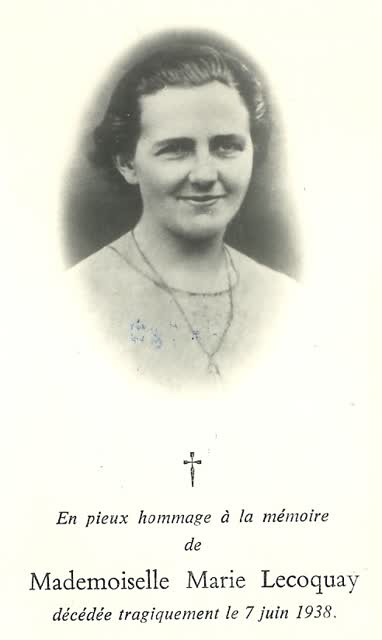
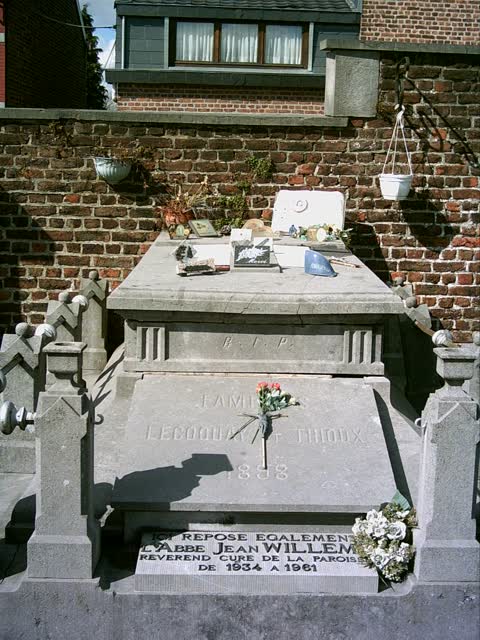
At her grave, many find great comfort, a kind of unexplained, indescribable platonic love, so much so that many weep there with a deep, liberating joy. Her silent call, Antoine wrote, brings on a state of mind outside space and time, which no one can define.
Antoine gave her a motto: perfect humility.
Where to find her: in the Fécher cemetery, near the church, rue de l'Égalité, in Soumagne-Bas. At the main entrance, walk straight along the wall on your right. Mademoiselle Marie's grave is opposite the house with three dormer windows.
Pierre de Lambert, at Vaux-sous-Chèvremont
Pierre de Lambert, also known by the pseudonym Lecoq, was a medium and guérisseur, famous throughout the region after the last war.
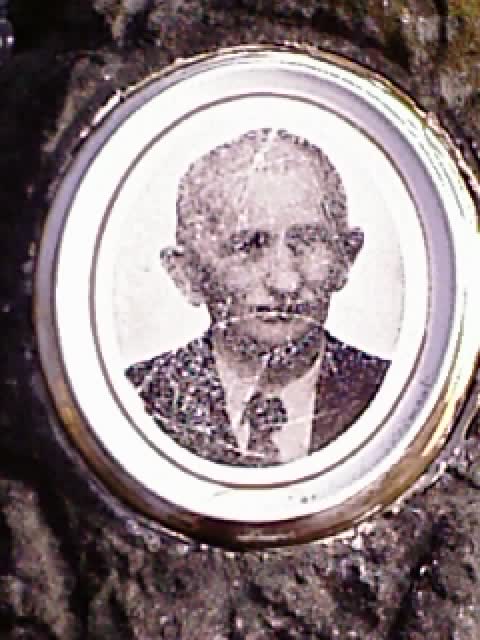
His help, Antoine wrote, is recognised as extremely powerful by many mediums. So much so that some still call him the medium of mediums today.
Some twenty ex-votos cover his vault.
Where to find him: in the new cemetery of Vaux-sous-Chèvremont, in the vault of the de Lambert-Stelen family. From the esplanade along the Vesdre, head towards Chênée, then take the first street on the right. After the roundabout, carry on towards Chèvremont and take rue du Cimetière on your left. Climb to the main entrance, on the bend. At the gate, turn right, then take path 25. The gates stay open day and night.
It is a few minutes from the Mont des Géants: Antoine advised making the most of one to visit the other.
René Thewissen, at Houtain-Saint-Siméon
René Thewissen, born on January 21, 1929, died on April 25, 1999, was a painter and guérisseur of international renown. He practised in the Croix-Jurlet neighbourhood of Herstal, the "stronghold" of the world of mediums. There is a foundation and a book about his life.
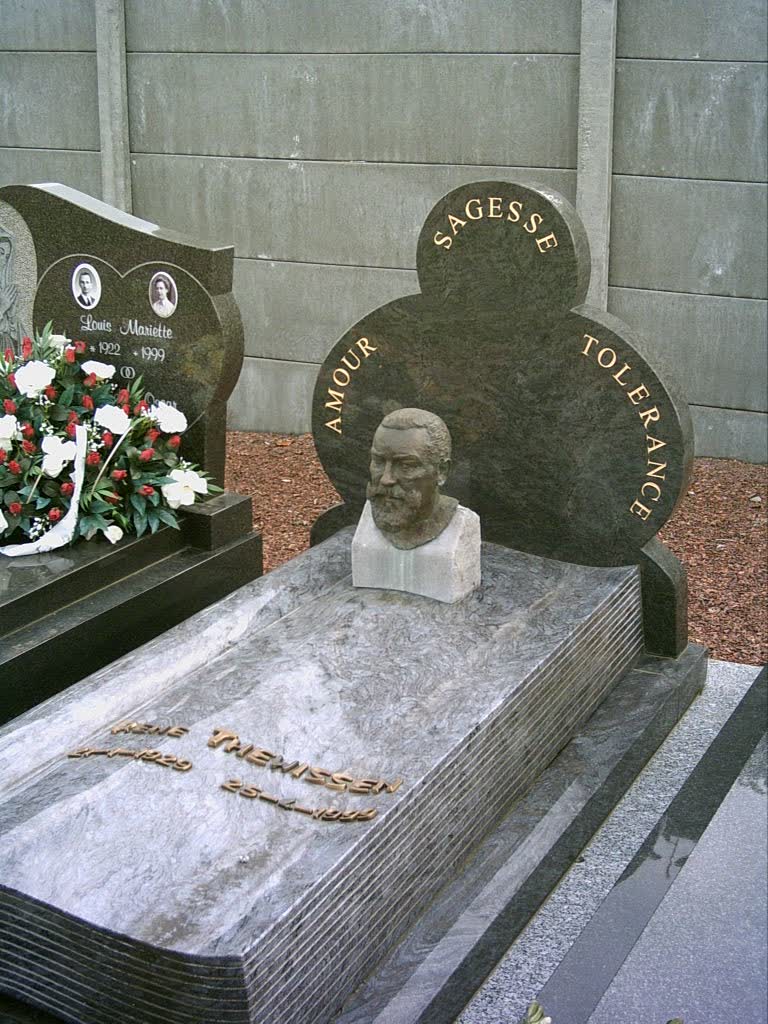
For many people in Liège, he was and will remain a great medium. And for many, still today, René Thewissen does some things even better from up there than down here.
And many claim that, on his grave, his left eye is watching you.
Where to find him: in the Houtain-Saint-Siméon cemetery, rue Libeau. At the main entrance, turn left straight away and follow the wall to the corner. Turn right, still following the new wall on your left: you will see his tomb.
Jean Volont, at Montegnée
All of Liège went to consult Jean Volont, rue Émile Verhaeren, in Angleur. You had to get up very early to be among the first, or arm yourself with enormous patience: the endless queue outside his door said enough about the reality of his gifts.
Tall, thin, unflappable, he smoked his eternal cigar. And he never asked for money.
He was born in 1927 and died on September 6, 1999. But for many people in Liège, Jean is not dead, he is sleeping. He rests beside his mother, Élisabeth Christiaens. And that is why, Antoine wrote, you won't see his photo.
It is said that he appears in the dreams of those who come to see him. And that he simply tells them to breathe in black narcissi, and to go and pay their respects at the grave of Father Antoine.
Where to find him: in the Montegnée cemetery, entrance on rue Pasteur, opposite a playground. Carry straight on to the fifth path on your right, then turn right. His tomb bears his mother's name, Élisabeth Christiaens.
Notre-Dame de Bonne Nouvelle, in Liège
Antoine's list of places of protection also included a little chapel in the heart of Liège: Notre-Dame de Bonne Nouvelle (Our Lady of Good News), where people come to pray to Saint Rita, the saint of desperate causes, and Saint Expeditus, the saint of urgent causes.
For causes that seem hopeless, Antoine linked Saint Rita with another saint, long forgotten: Saint Jude, patron of desperate causes.
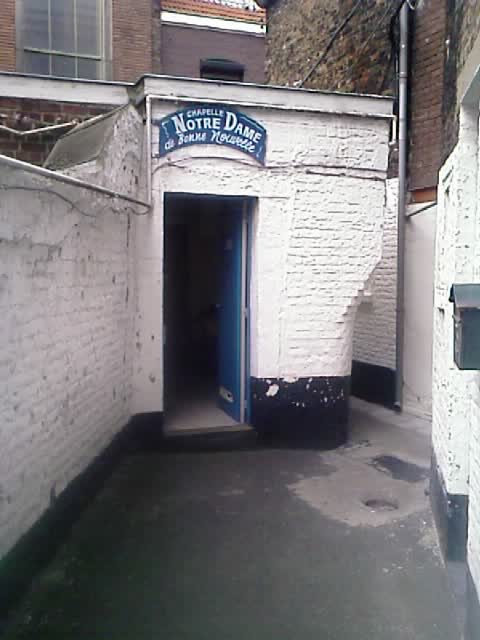
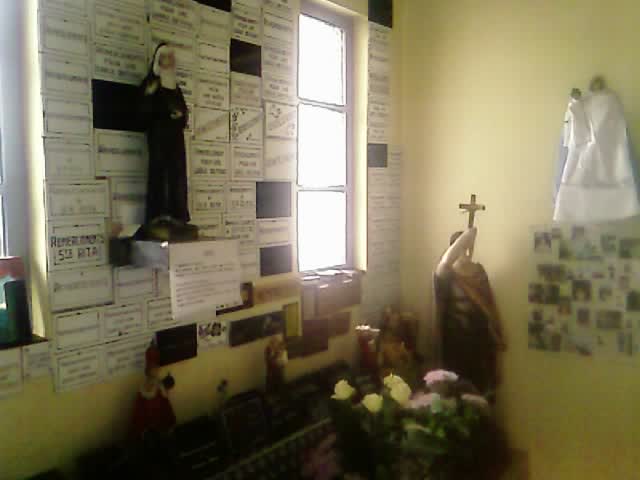
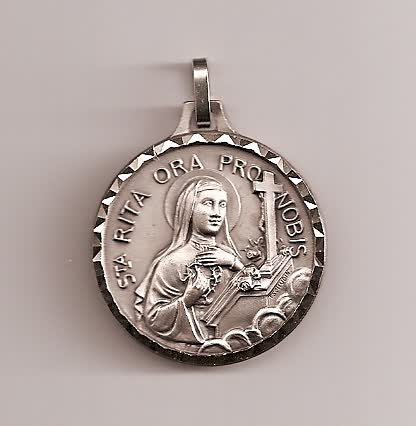
Where to find it: in a cul-de-sac off rue Saint-Léonard, in Liège, at number 361. It is open during the day, every day. Antoine offered the Saint Rita medal to those who went there.
How to make a quest for grace
A quest for grace doesn't call for a complicated rite. It calls for sincerity, and respect.
- Go to the grave, during the cemetery's opening hours.
- Take a moment of contemplation, and put your request into words.
- Respect the families' wishes: when an epitaph asks you to leave nothing, you leave nothing.
- If your grace is granted, come back to give thanks. That is how the ex-votos and plaques you will see on these graves come about.
Antoine's advice
As with every emissive tomb, it is always recommended to take a miniature bottle of verbena with you.
Antoine de Saint-Christophe
Back to the map of places of luck
Not sure which benefactor to turn to? Describe your situation to the workshop: we will tell you which grave, chapel or place matches your request.
Frequently asked questions
What is a quest for grace?
A request addressed to a departed person known for their kindness or their gifts. It doesn't call for a complicated rite: go to the grave during opening hours, take a moment of contemplation, put your request into words, and respect the families' wishes.
What do people come for at Auguste Monjardin's grave?
Nothing in particular: they come to strengthen the principle of luck in general and amplify the resonance effect, with no precise intention. His body rests under a bell of dressed stone, in the Robermont cemetery in Liège.
Where is Notre-Dame de Bonne Nouvelle?
In a cul-de-sac off rue Saint-Léonard, at number 361, in Liège. The chapel is open during the day, every day. People pray there to Saint Rita, the saint of desperate causes.