There is something stronger than death: the presence of the absent in the memory of the living.
On Antoine's card about Henri Lacroix
Not every tradition comes from far away. Some are just a few kilometres from the workshop in Herstal, on the other side of the Meuse, in the streets of Liège.
Antoine counted Henri Lacroix's among the great quests for grace: journeys in which you go to entrust a request to a departed benefactor, at the place where he rests. It isn't a prayer to a saint of the Church. It is a popular tradition from Liège, passed on by word of mouth, and still alive.
A child of the October fair
Henri Lacroix was born in Liège on 24 May 1888.
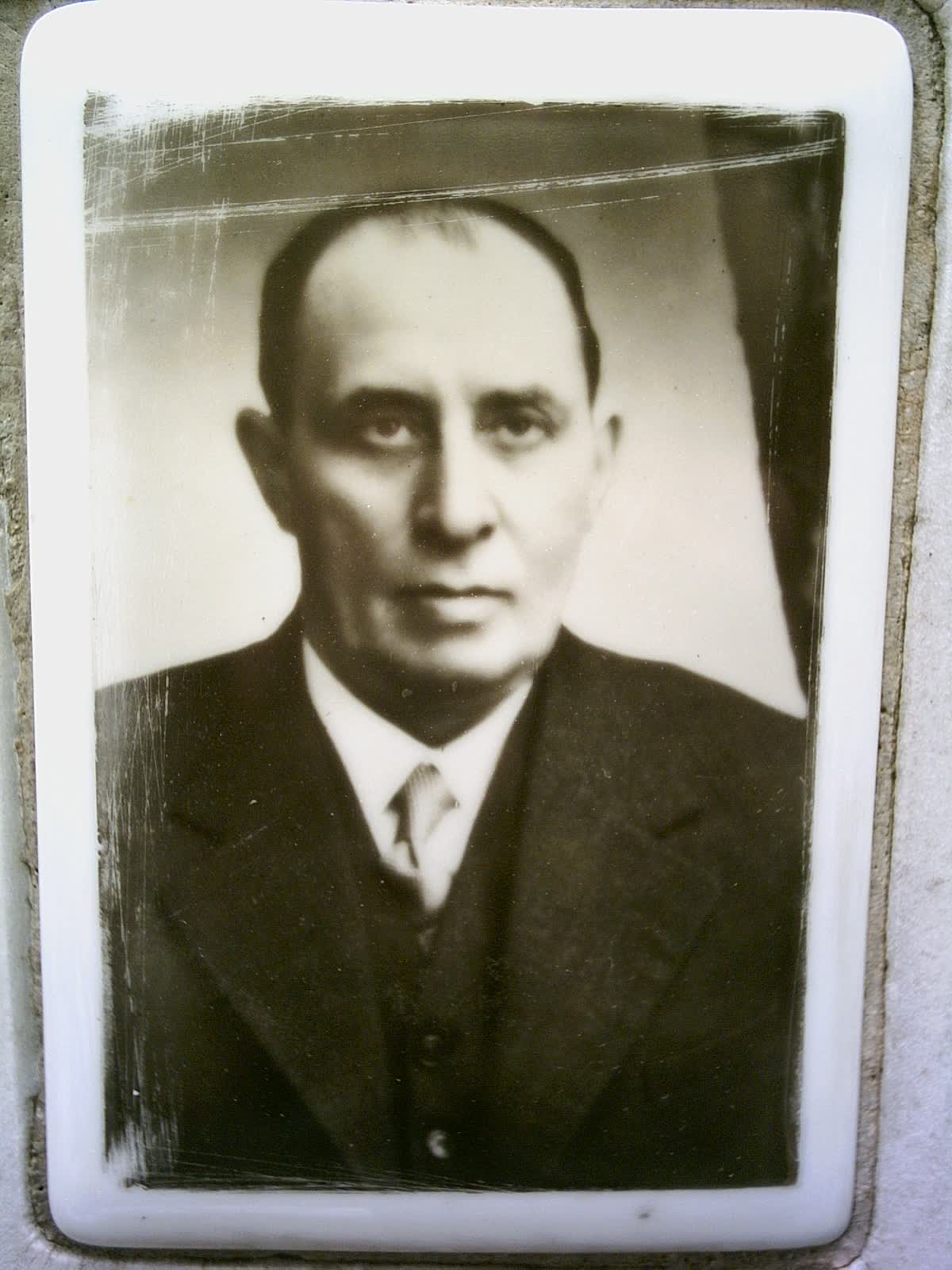
Even his birth got people talking. He is said to have come into the world wrapped in his umbilical cord, which people around here called the “hamlette”. A child born with a caul, they said. And for as long as anyone can remember, many have seen it as the mark of a gift.
It was also said that he had been fathered by a Hindu passing through the October fair. The great fair of Liège, which takes over the Boulevard d'Avroy every autumn, drew showmen, entertainers and travellers from very far away. From there to imagining a father from India was only a small step for the legend.

Hors-Château, then Rue Saint-Adalbert
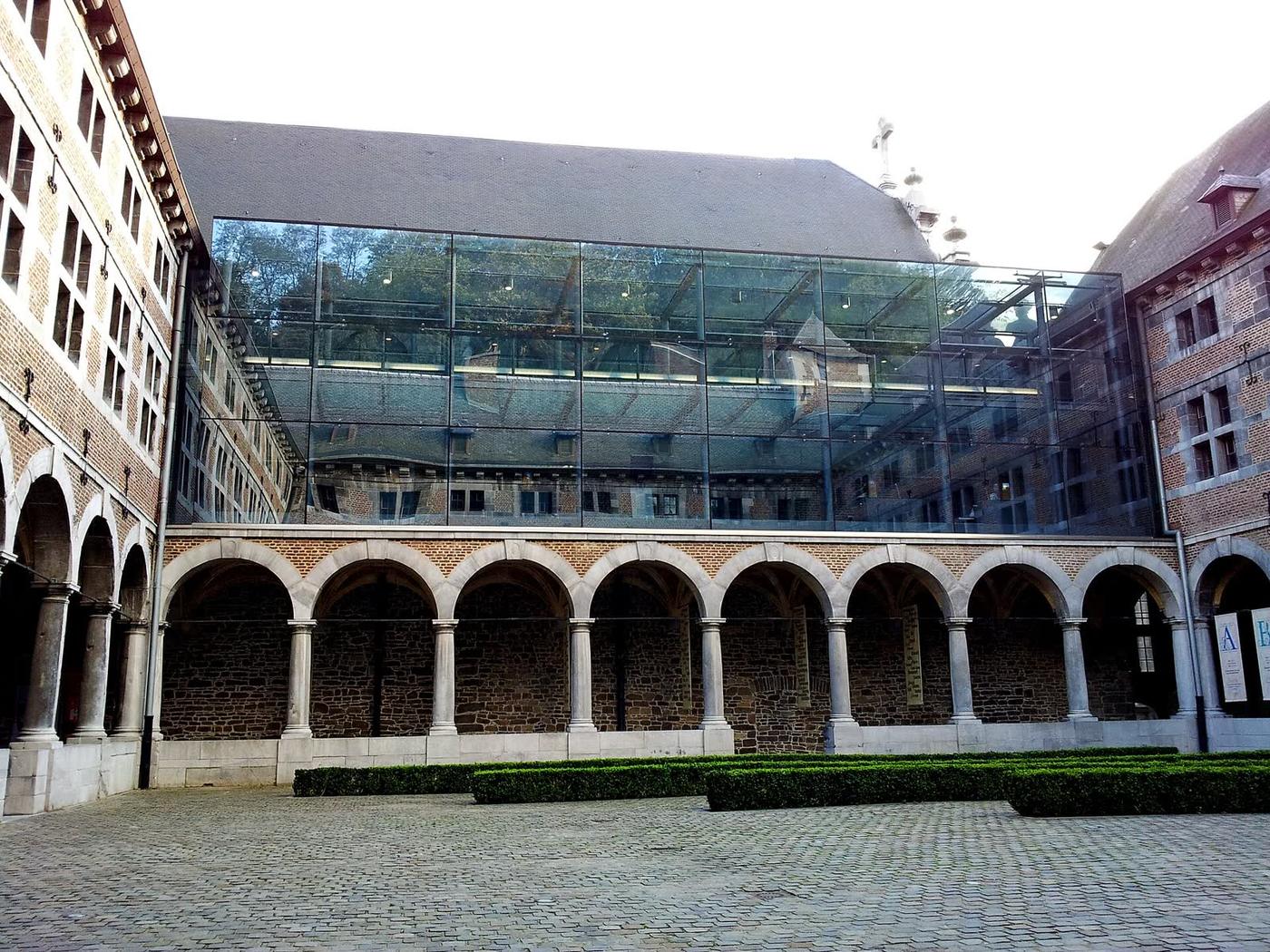
Henri Lacroix first lived near the church of the Friars Minor, in Hors-Château, at the foot of the Citadel hillside. This is old Liège, the Liège of alleyways, stairways and hidden courtyards. The former convent of the Friars Minor now houses the Musée de la Vie wallonne, the museum of Walloon life, which preserves the memory of the region's folk beliefs.
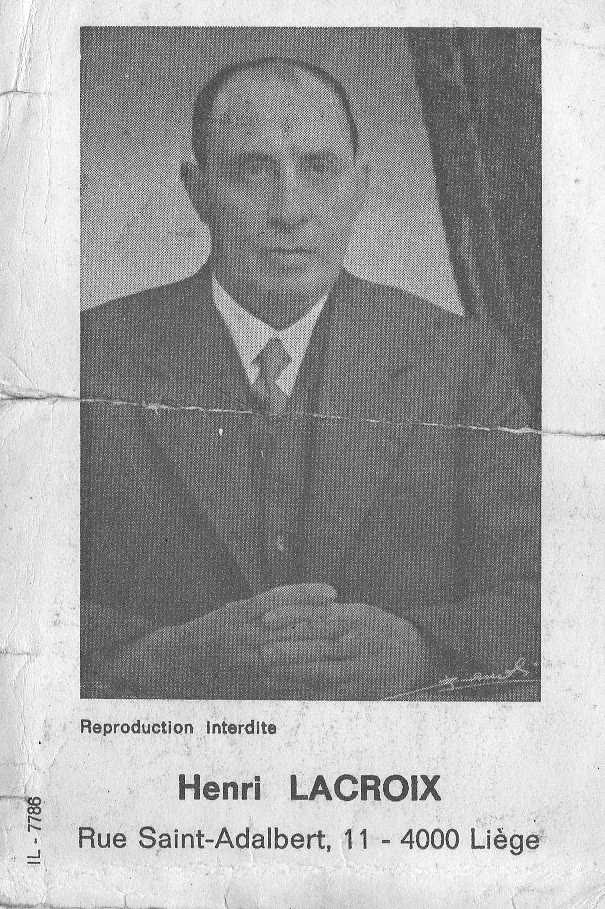
He later moved to number 11, Rue Saint-Adalbert.
Second sight
Everything changed after 1918. Henri Lacroix is said to have been gifted with second sight, and to have worked real wonders with a single look.
He was a water diviner: he found water underground, like those who use a rod or a pendulum. People came from all over the region to consult him.
When people talk about Henri Lacroix, Antoine added, they often mention the violet light of the Count of Saint-Germain. The Count of Saint-Germain, a mysterious 18th-century figure received at the court of Louis XV, claimed to know the secret of precious stones and of long life. The spiritualists of the following century made him a master of the violet flame, the flame that transforms. For those who knew him, Henri Lacroix carried something of it.
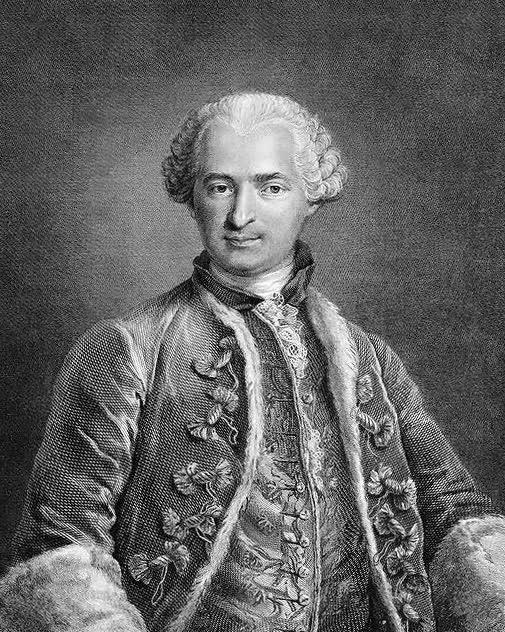
He died on 13 September 1971. Since then, he has been regarded as a benefactor.
The quest for grace
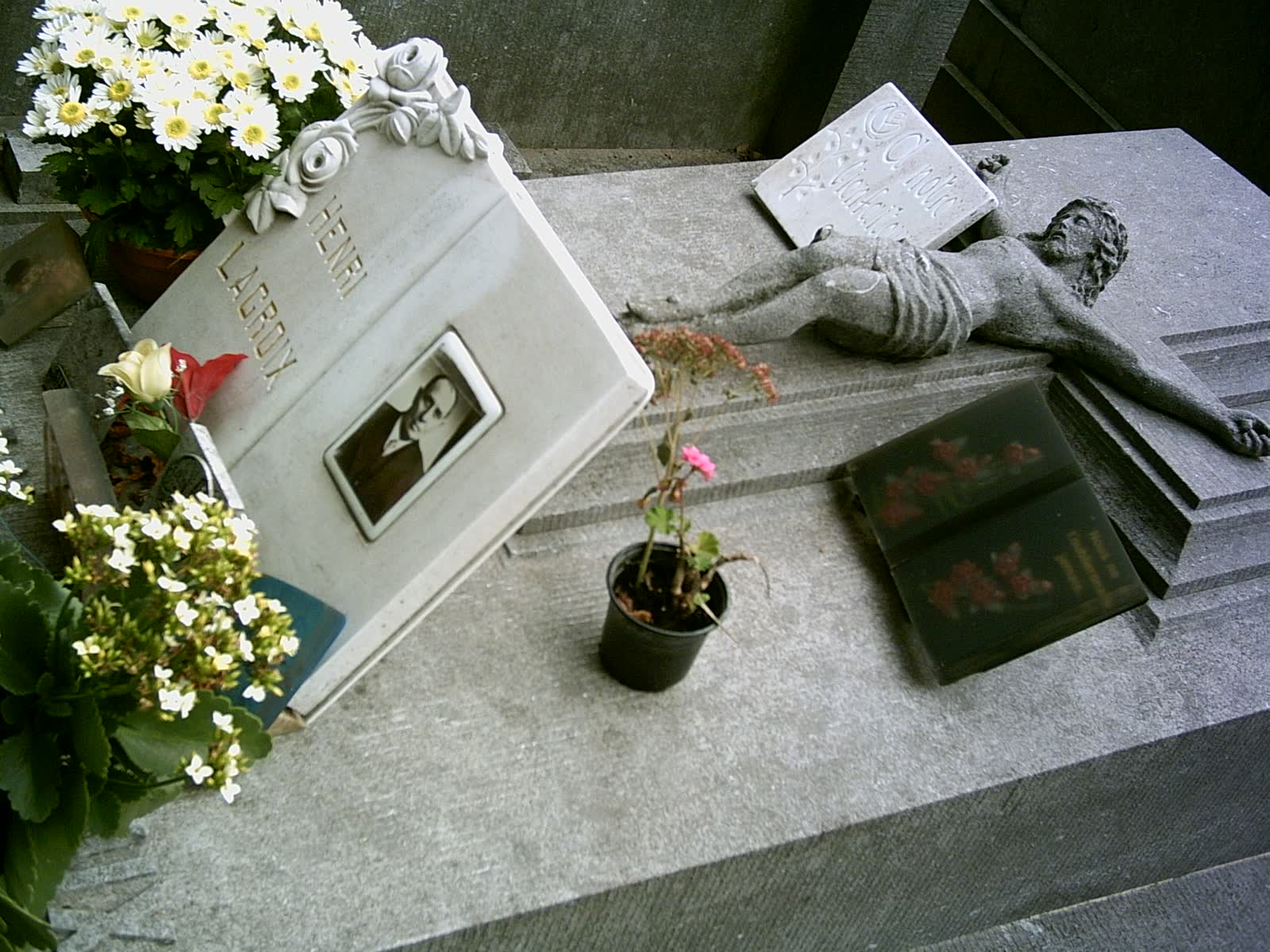
Since his death, visitors have come to his grave to pray quietly and entrust him with their requests. The grave always has flowers on it.
The approach is simple and respectful:
- Prepare your request. Just one, clear, written down if you like.
- Go to the grave during the cemetery's opening hours.
- Take a quiet moment, and say your request in your mind or under your breath.
- Respect the place, the other graves and the families.
A quest for grace is always made with respect: a cemetery is a place of remembrance. You come in silence, during opening hours, and you move nothing.
The way to the grave
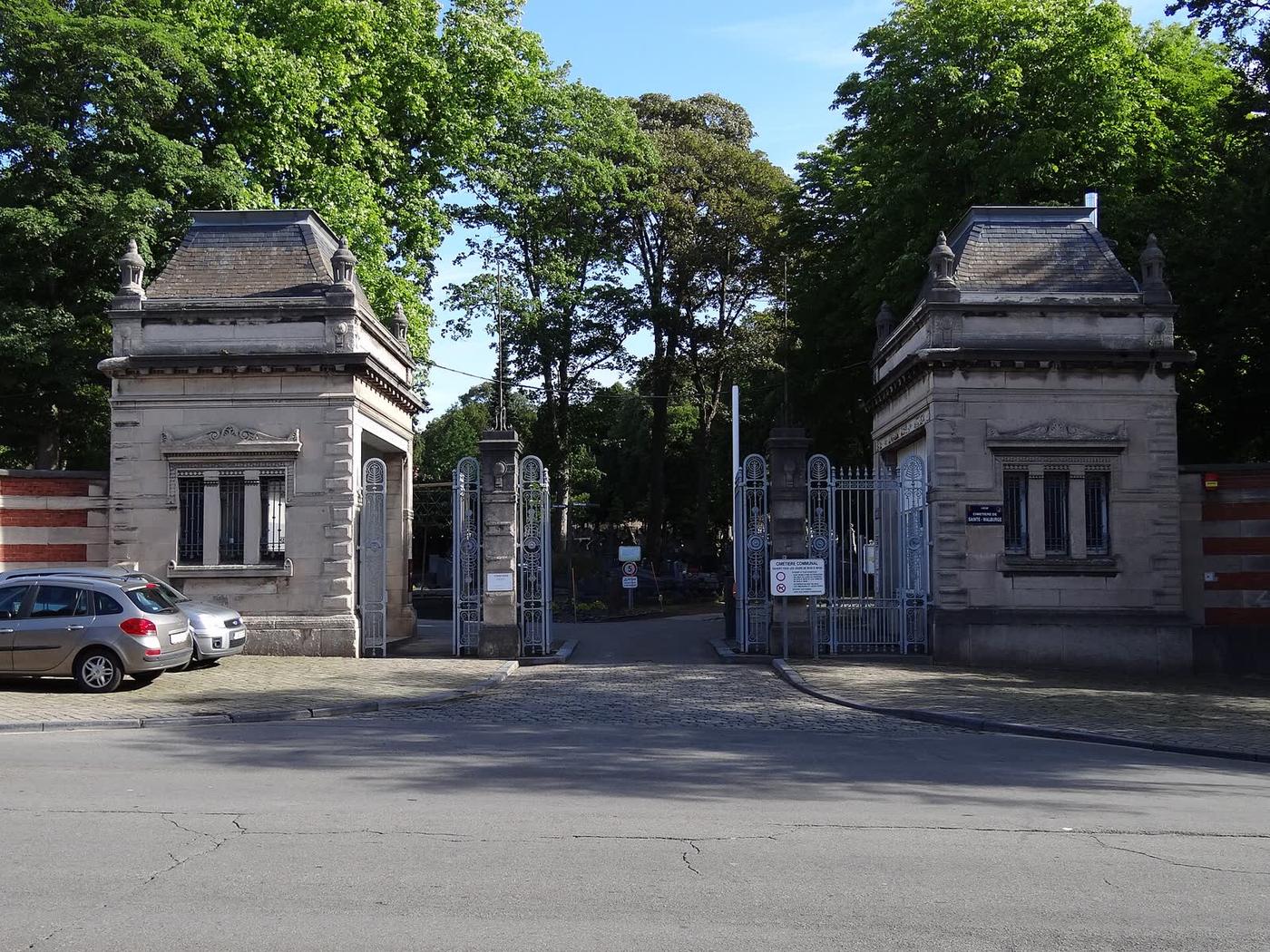
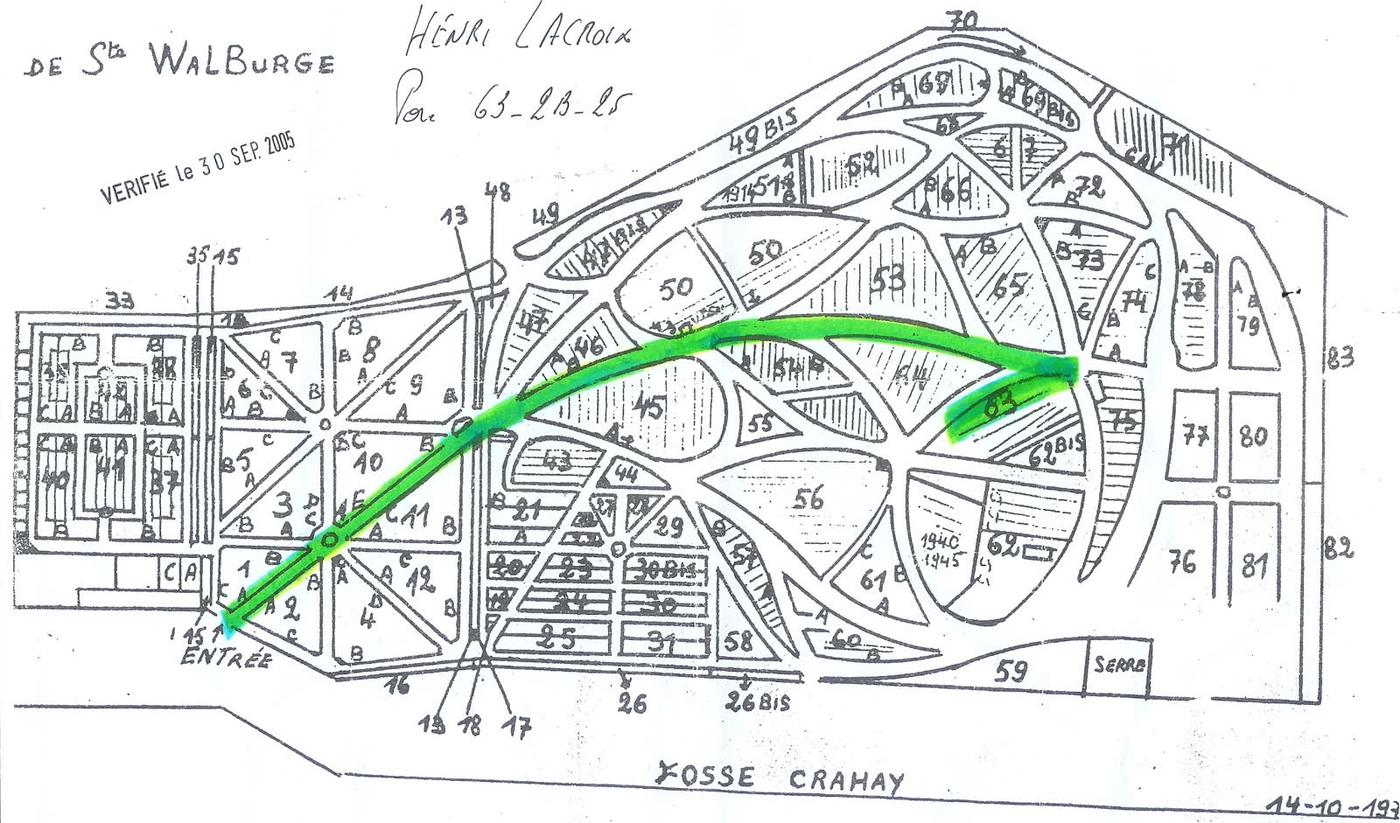
Antoine noted the exact route.
- Sainte-Walburge cemetery, Liège.
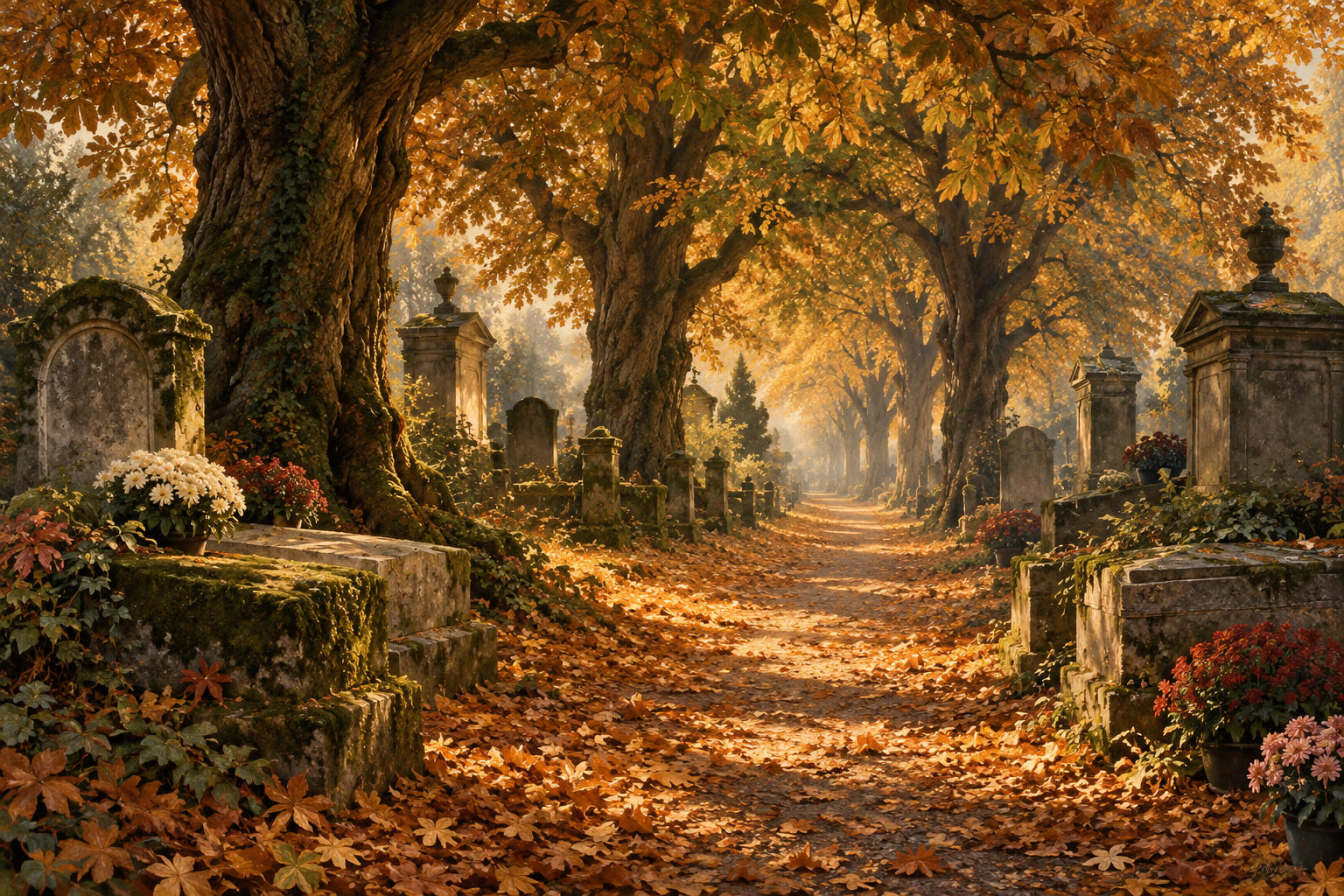
- Go in by the main entrance and follow the great avenue of chestnut trees to plot 65, on your left.
- At that plot, turn right to reach plot 63.
- Henri Lacroix's grave is the 25th grave in row 2B, plot 63.
You can drive along the cemetery paths if you ask at the reception.
The other benefactors
Henri Lacroix is not alone. Liège and its region have other benefactors whom people visit in the same way: Antoine gathered them in the benefactors of Liège. In Herstal itself, people remember Denis Randaxhe, the mage of Herstal.
For other places where people go in search of luck, see finding luck through a place, Mohiville and the chapel of Noblehaye.
Places of grace are part of Antoine's knowledge. Write to the workshop to find out which ones match your request.
Frequently asked questions
Who was Henri Lacroix?
A figure of Liège, born on 24 May 1888 and died on 13 September 1971. A water diviner, said to have had second sight after 1918, he was consulted by people from all over the region and is regarded as a benefactor.
Why is he said to have been born with a caul?
According to tradition, he came into the world wrapped in his umbilical cord, the “hamlette”, which many have always seen as the mark of a gift.
Where is his grave?
In Sainte-Walburge cemetery, Liège: through the main entrance, along the great avenue of chestnut trees to plot 65, then right towards plot 63. It is the 25th grave in row 2B.
How do you make a quest for grace?
Go to the grave during opening hours, take a quiet moment, say your request, and respect the place and the families. See also the benefactors of Liège.
What is the link with the Count of Saint-Germain?
Antoine noted that when people talk about Henri Lacroix, they often mention the violet light of the Count of Saint-Germain, the flame that transforms.

Free guide · Alchimixe GPS
Stack the Odds in Your Favor
Feel like it always lands on you? A bad patch has a shape, and a calendar to get out of it.
Get the free guide