
It has surely happened to you.
You think of an old friend you haven't seen in ten years. That same evening, she writes to you. You're hesitating about changing jobs, and on the same day, three different people talk to you about the same line of work. You're looking for an answer, and a sentence heard on the radio gives it to you word for word.
You say: "That's funny." You smile. And you move on.
The psychiatrist Carl Gustav Jung didn't move on. He gave these moments a name: synchronicities.
A coincidence with meaning
A synchronicity, according to Jung, isn't just any coincidence. It's a coincidence that has meaning for the person who lives it.
Two events happen at the same time. They aren't linked by a cause: your thought didn't "cause" your friend's call. But they answer each other. And that meeting strikes you, like a wink.
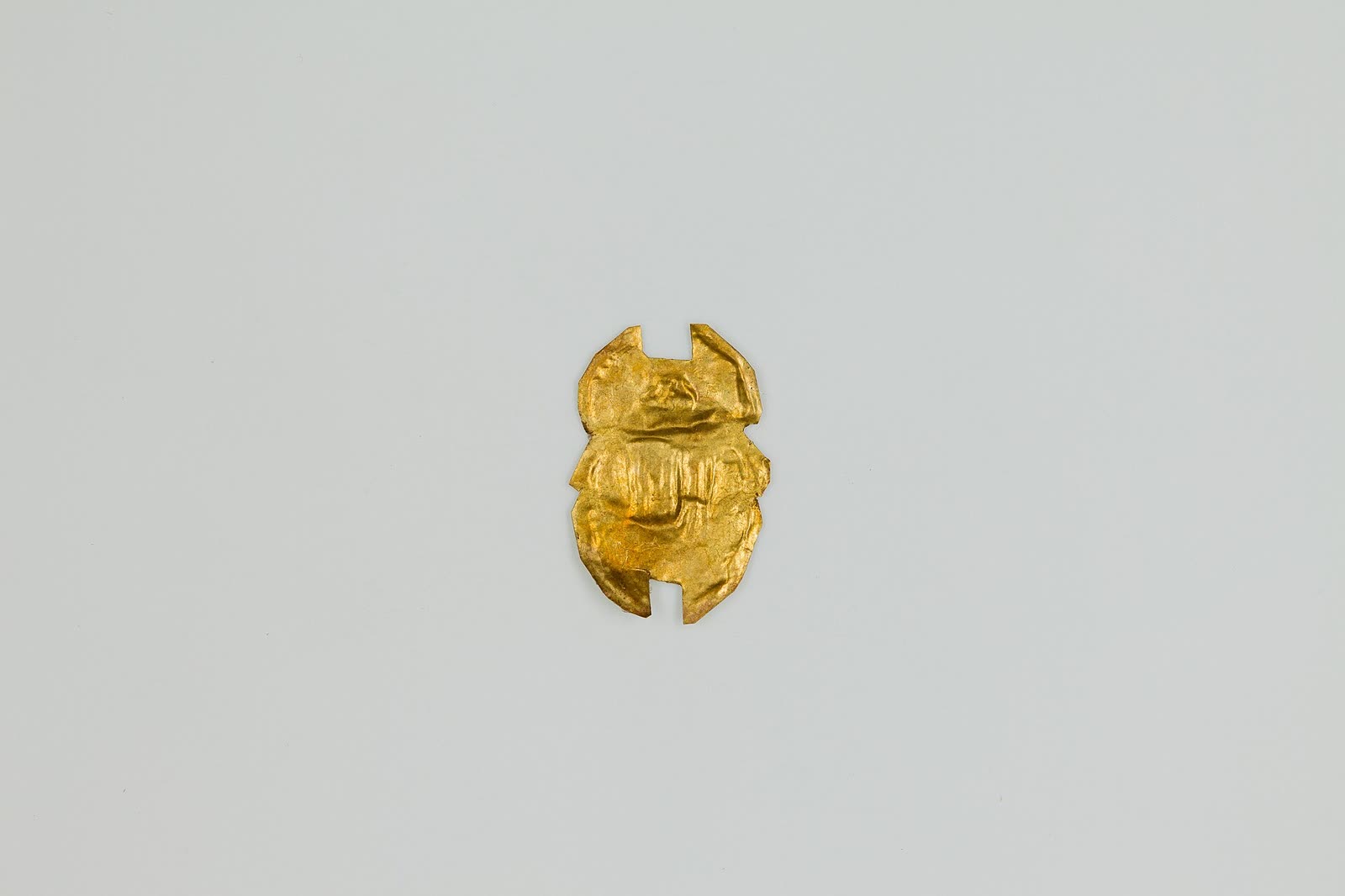
The most famous example is the scarab: a patient tells Jung about a dream in which she is given a golden scarab, and at that very moment, a golden insect taps at the window of his consulting room. I tell this story in detail in Jung and astrology.
Chance or sign?
I'm going to be honest, because it matters.
Some coincidences are very well explained by chance. We think of hundreds of people every month; it's statistically normal that one of them calls just afterwards. Our brain is built to spot patterns, and it sometimes sees them where there are none. Psychologists have a name for this.
But here is what I've observed in twenty years, and what many people observe: synchronicities aren't spread at random through a life. They cluster. There are periods when nothing happens, and periods when they multiply, as if life were insisting.
And those periods often match moments of change: a decision ripening, a departure being prepared, a meeting drawing near.
Signposts on the road
The physicist Philippe Guillemant, whom I talk about in shifting timelines, goes further. His hypothesis is that synchronicities appear when we change life trajectory, as traces of that change.
You don't have to follow him that far. But the image is useful: synchronicities are signposts. They don't always say where to go. They say: "Pay attention, something is happening here."
How I work with synchronicities
Here's my method, simple and with no mystery to it.
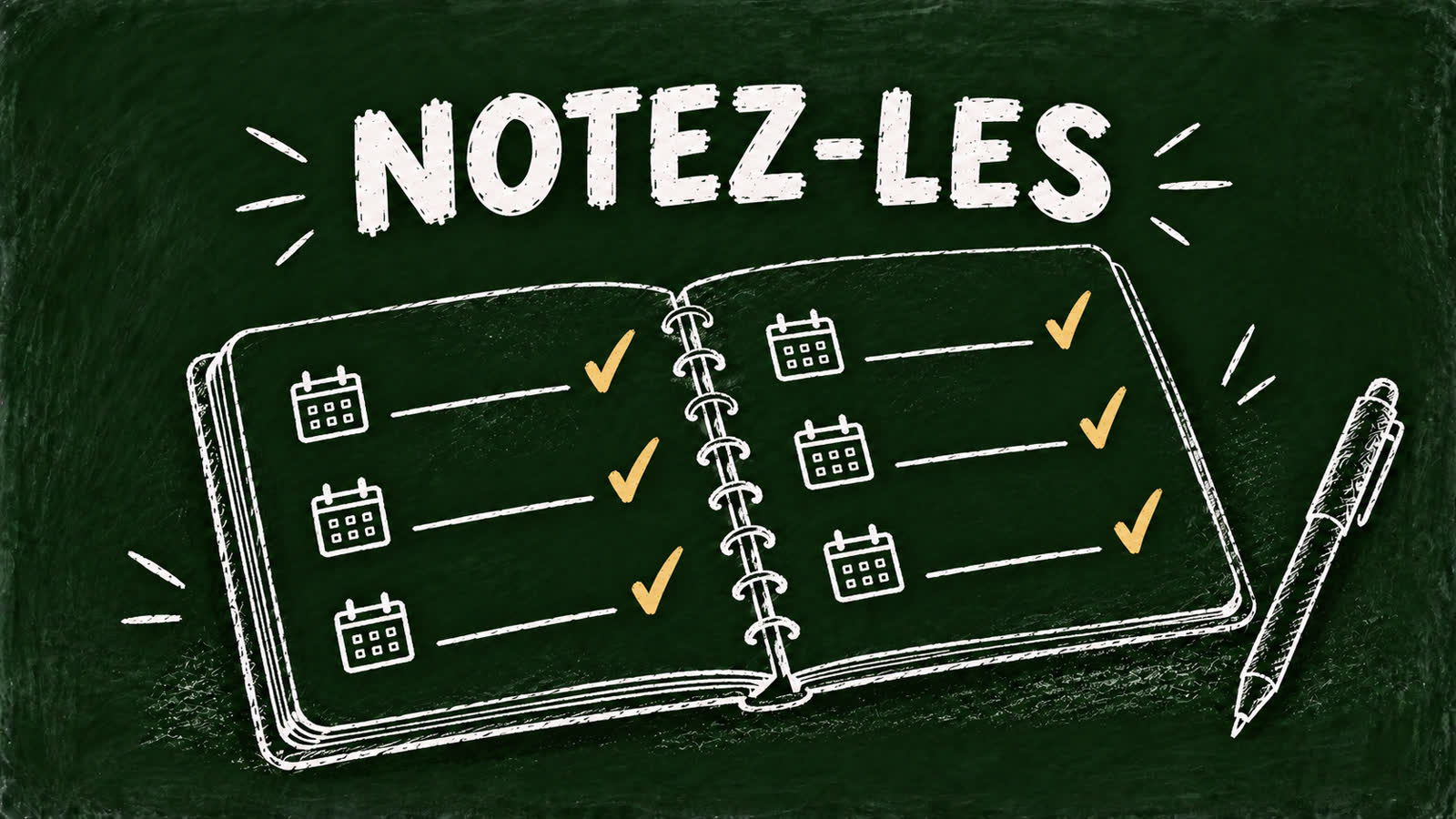
1. I note them down. All of them. In a notebook or on my phone: the date, the time if I have it, what happened, what I was thinking about. That's rule number one. A synchronicity that isn't written down fades within a few days.
2. I look for the theme. After a few weeks, I reread. Often, a theme appears: always the same country, the same job, the same first name, the same symbol. That's the thread.
3. I look at the sky. I compare the dates with my chart and my solar return for the year. It's common for synchronicities to cluster around a major transit, a new Moon, the Moon passing through my birth mansion, or the weeks around my birthday.
4. I act small. If the signs point towards something, I take a small step in that direction. A message, a call, a visit. I don't turn my life upside down over a coincidence. I test.
Three ways to invite them
You can't manufacture a synchronicity. But you can create the conditions in which you notice them more.
Have a clear question. Synchronicities seem to answer questions. When you aren't asking anything, you don't see anything. Write down a precise question about what's on your mind right now.
Slow down. People in a hurry don't see the signs, just as the unlucky volunteers in the newspaper experiment didn't see the message. Ten minutes of calm a day is enough to change your attention.
Move. Synchronicities rarely come when you always do the same thing. A new place, new people, a new route: you multiply the chances of crossing the right sign.
Now it's your turn
Open a notebook, or a note on your phone. Call it "Signs".
For a month, note every coincidence that strikes you, however small. Date it.
After a month, reread. I bet you'll see a thread. And if you want to know what your sky was preparing on those dates, the workshop can show you.
Frequently asked questions
What is a synchronicity?
The psychiatrist Carl Gustav Jung called synchronicity a coincidence that has meaning for the person who lives it: two events with no apparent causal link, but which answer each other.
Are synchronicities just chance?
Many coincidences are explained by chance and by the brain's tendency to see patterns. Jung nevertheless thought some of them reveal a link of meaning between the psyche and the world.
How do I recognise a synchronicity?
By the effect it has: a strong feeling of being winked at, linked to a question or a situation you're living through. Noting it down and dating it then lets you see whether a thread emerges.
Can you make synchronicities happen?
No, but you can notice them more by having a clear question, slowing down, and stepping out of your habits.