
We all have someone like that around us.
He finds a parking space right outside the door. She meets the man of her life in a queue. He hears the good news just before everyone else. She is always in the right place at the right time.
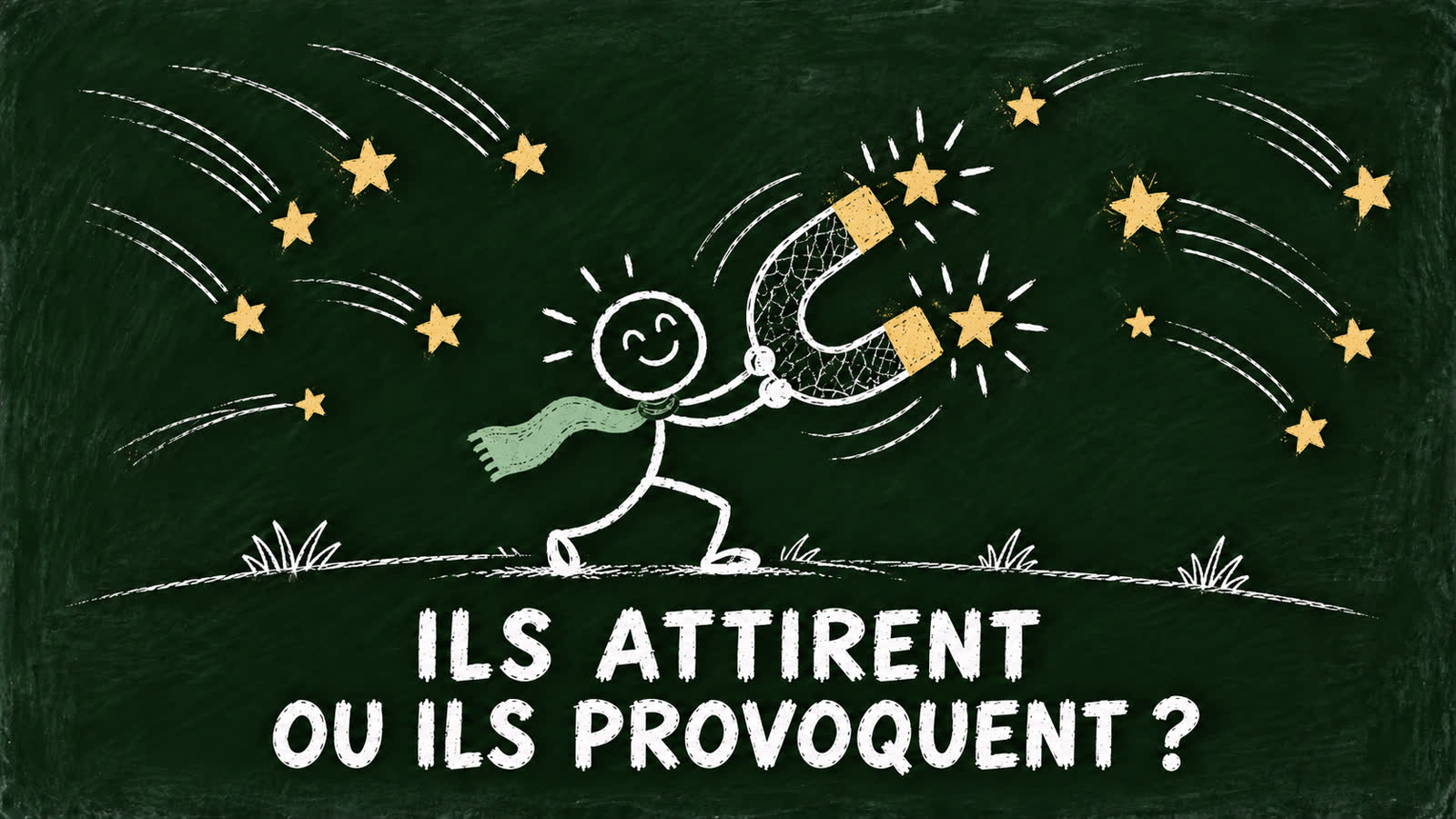
And we tell ourselves: "He was born under a lucky star."
Maybe it's true. I'm an astrologer, I'm not going to tell you otherwise. But after twenty years of comparing charts and lives, I think the lucky star doesn't explain everything. Lucky people do, often without knowing it, four things others don't.
The formula
If I had to write luck as an equation, the way you would on a blackboard, it would be this:
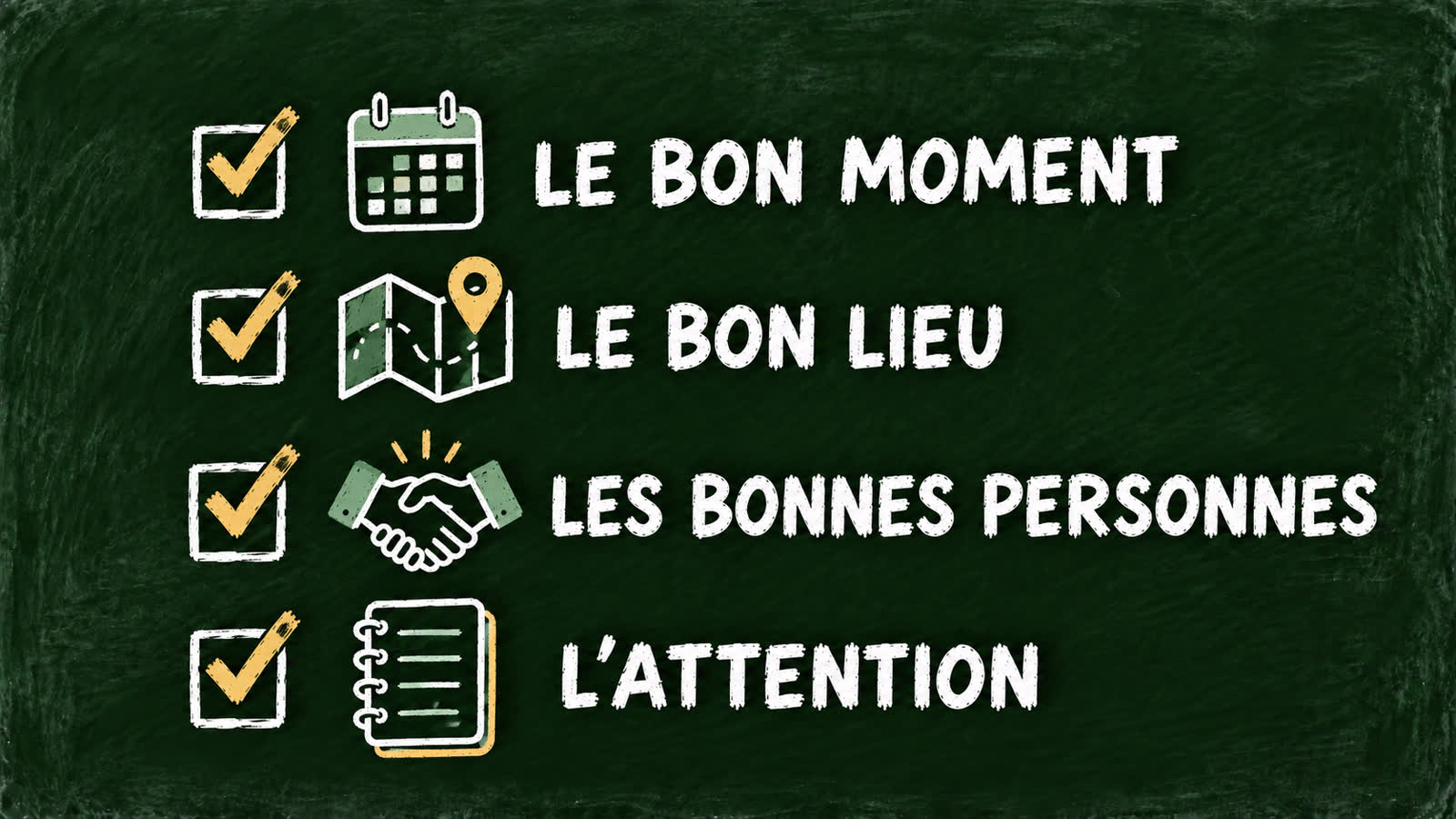
Luck = right moment × right place × right people × attention
Notice the "times" signs. It isn't an addition. If one of the factors is at zero, everything else drops to zero. The best moment in the world is useless if you're alone at home. The best city in the world is useless if you see no one there.
Let's take them one by one.
1. The right moment
Lucky people have a sense of timing. They launch their project when the market is ready, call when the other person is available, leave when it's time to leave.
Some have it by instinct. Others can learn it. That has been astrology's role for thousands of years: knowing when the wind is at your back.
- Each year has its own chart, which begins at the second of your solar return. It shows which areas of life will be in the spotlight.
- Each month has its favourable days, calculated from your birth Moon.
- Each big decision can have its chosen day, like the coronation of Elizabeth I, which I talk about in billionaires and astrology.
2. The right place
Lucky people are often people who move. They travel, move house, change neighbourhoods, go to new places.
Astrology says why it works: every place has its own sky. Astrocartography shows where your favourable planets are brought forward. The birthday trip lets you choose the city where your year begins.
And psychology says the same thing differently: a new place means new faces, new opportunities, new chances. It's the basis of what I call shifting timelines.
3. The right people
This is the most underestimated factor, and perhaps the most powerful.
Lucky people have wide and varied networks. They talk easily to strangers, keep up ties with people very different from themselves, do others favours. The psychologist Richard Wiseman observed it in his studies: lucky people are "social magnets", and a large share of their opportunities come through others.
That's also why a couple's or business partners' chart is so valuable: some people, through their sky, literally activate yours. And that's why we are bringing back the Lucky Club.
4. Attention
The last factor is the simplest, and the hardest.
All the opportunities in the world are useless if you don't see them. That's the lesson of the newspaper experiment: unlucky people walked past a giant message because they were too focused on their task.
Lucky people have an open attention. They notice coincidences, synchronicities, small signs. They look up.
So what about the lucky star?
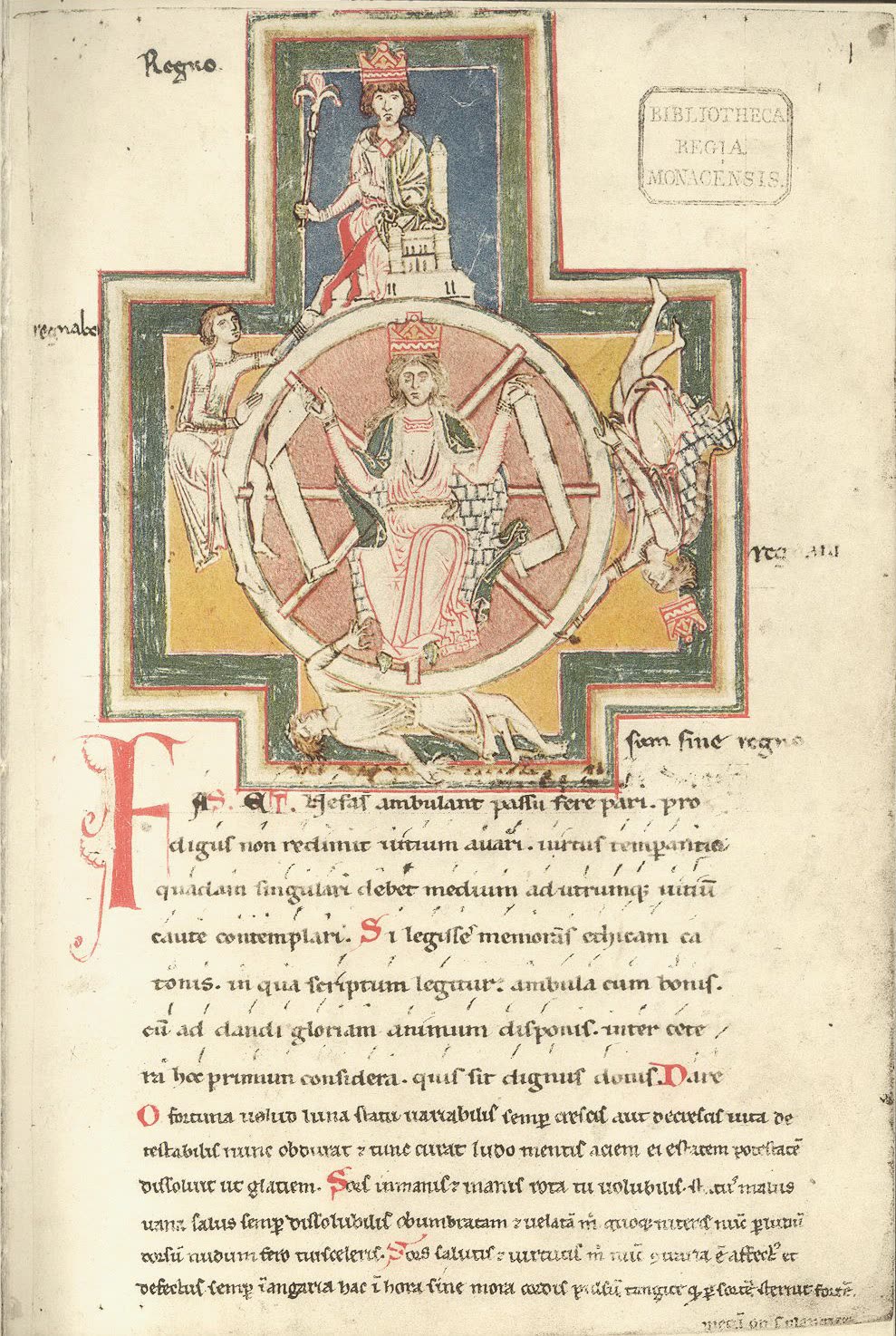
It exists. Some charts have obvious advantages: a well-placed Jupiter, a Part of Fortune in full light, planets on the angles.
But I've seen magnificent charts lead very ordinary lives, because the person stayed in the same place, with the same people, never looking up. And I've seen difficult charts lead extraordinary lives, because the person knew how to choose their moment, their place and their allies.
Your chart is your starting point. The four factors are the way you play your hand.
Your four-question check
Score yourself from 0 to 10 on each factor.
- Moment: do I know when my favourable periods arrive this year?
- Place: have I stepped out of my usual surroundings in the last three months?
- People: have I met at least three new people this month?
- Attention: do I note the coincidences and opportunities that come my way?
The lowest factor is the one costing you the most luck. That's where to start.
Now it's your turn
If your lowest score is moment or place, that's exactly where the workshop can help: your solar return, your favourable days, the city of your next birthday.
For people and attention, start today: one new meeting this week, and a notebook to note the signs.
Frequently asked questions
Why are some people always lucky?
According to Antoine, luck comes down to four factors that multiply each other: the right moment, the right place, the right people and attention. Lucky people often cultivate them without knowing it.
Is luck written in the birth chart?
The chart shows advantages, such as a well-placed Jupiter or a strong Part of Fortune. But what you make of the moment, the place and the people you meet counts just as much.
How can I improve my luck?
By spotting your weakest factor among the four, and starting with it: choosing your moments, changing place, meeting new people, or noting signs and opportunities.
What is a social magnet?
An expression used to describe the lucky people studied by Richard Wiseman: they meet a lot of people and keep up varied ties, which multiplies their opportunities.