Orgone + intention = manifestation.
Antoine de Saint-Christophe
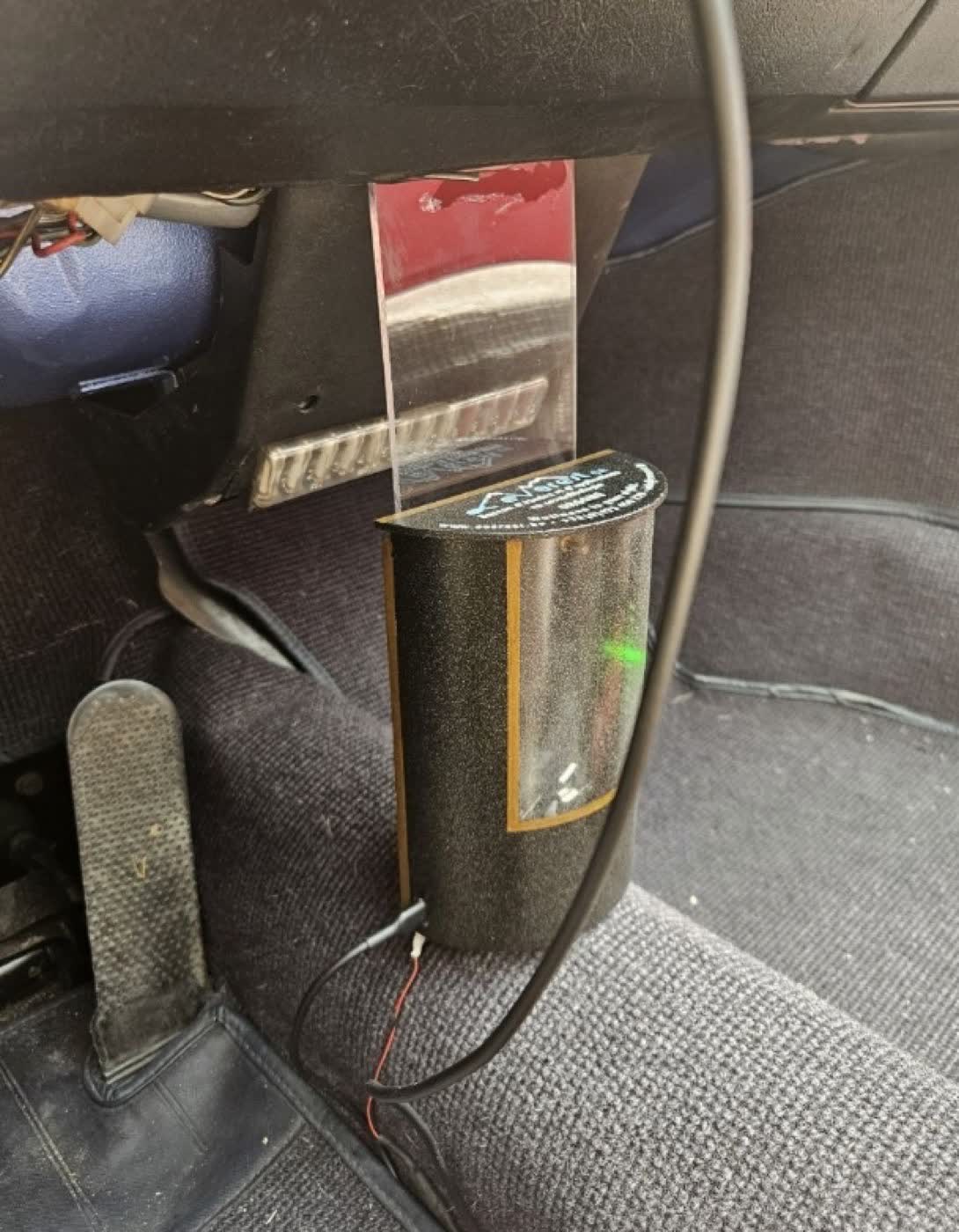
There is the Commodore, working in the workshop, motionless, day and night. And there is an idea Antoine took much further: making the orgone generator travel.
Why? Because, according to him, an orgone generator that moves on the same plane and at the same time as you sees its action greatly amplified. You and it, in the same movement, on the same road, at the same pace.
From this idea came Antoine's getaways (échappées belles): drives in a classic car, top down, to the places of luck around Liège. And two cars unlike any other.
Orgone, in a nutshell
Orgone is the name the psychoanalyst Wilhelm Reich (1897-1957) gave to universal life energy, what other traditions call prana, chi or ki. Reich believed it could be concentrated and diffused. After him, the Austrian Karl Hans Welz (1944-2021) built a first orgone generator in 1991, then developed orgonite in 1992, the mixture of resin, metal shavings and quartz meant to harmonise the surrounding energy.
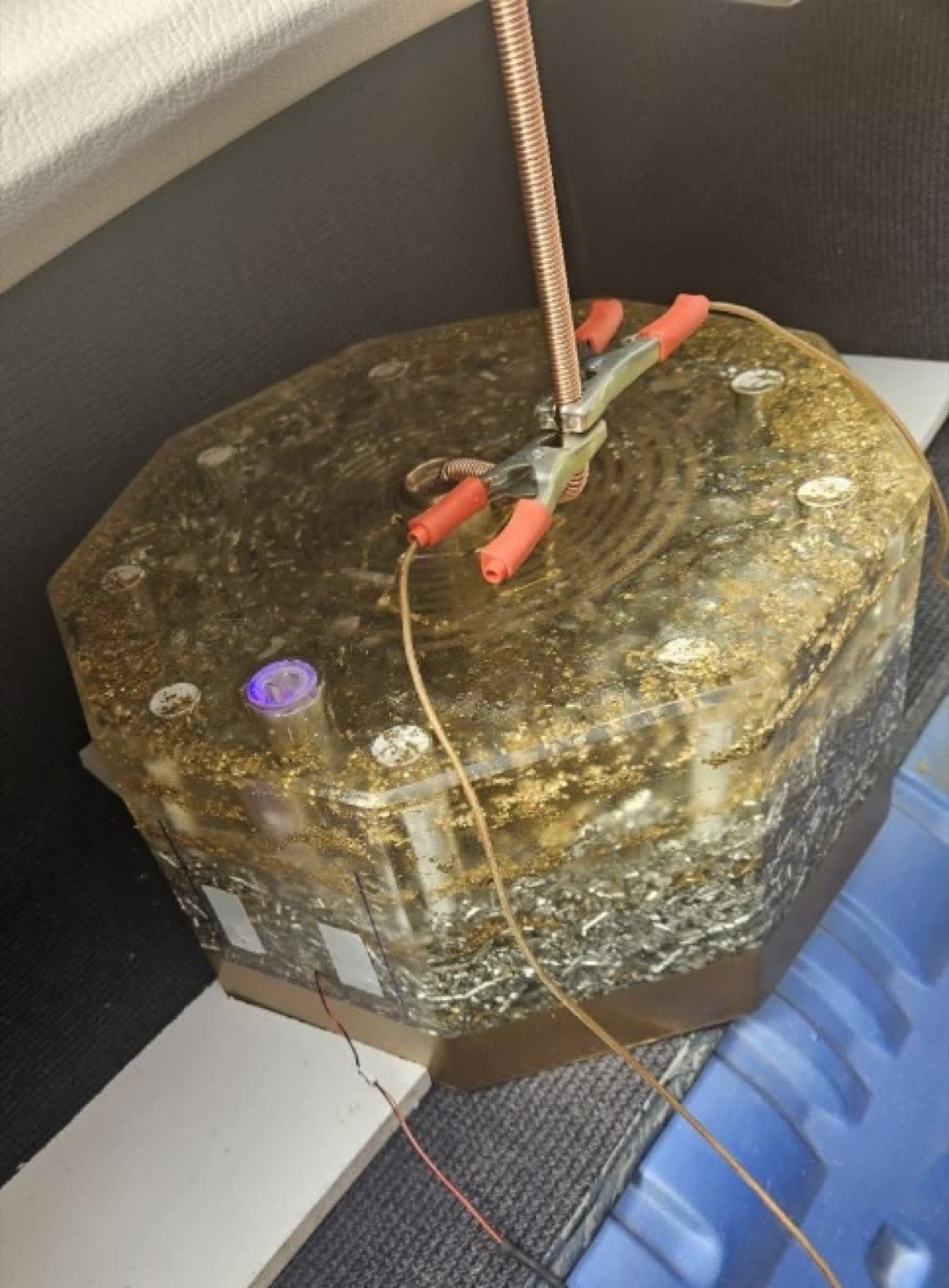
Antoine took up this heritage in the Commodore A.I.O. 144, a generator filled with natron or organic sulphur. Read: orgone according to Antoine.
And as Antoine, ever cautious, pointed out himself at the top of his document: there is no scientific proof of the effects of orgone, and everyone is free to carry out their own experiments.
What makes an orgone car
Not every car will do. Antoine had set the rules, and they are strict.
An old-style engine, almost without electronics
The vehicle must run only on fossil fuels: petrol, diesel or LPG. And it must have very few electronic components:
- old-style ignition, with a distributor cap and contact breaker points;
- a simple 12-volt lead-acid battery;
- no permanent digital signal on board: no GPS, no connected phone.
This is what Antoine called a "semiconductor-free" car.
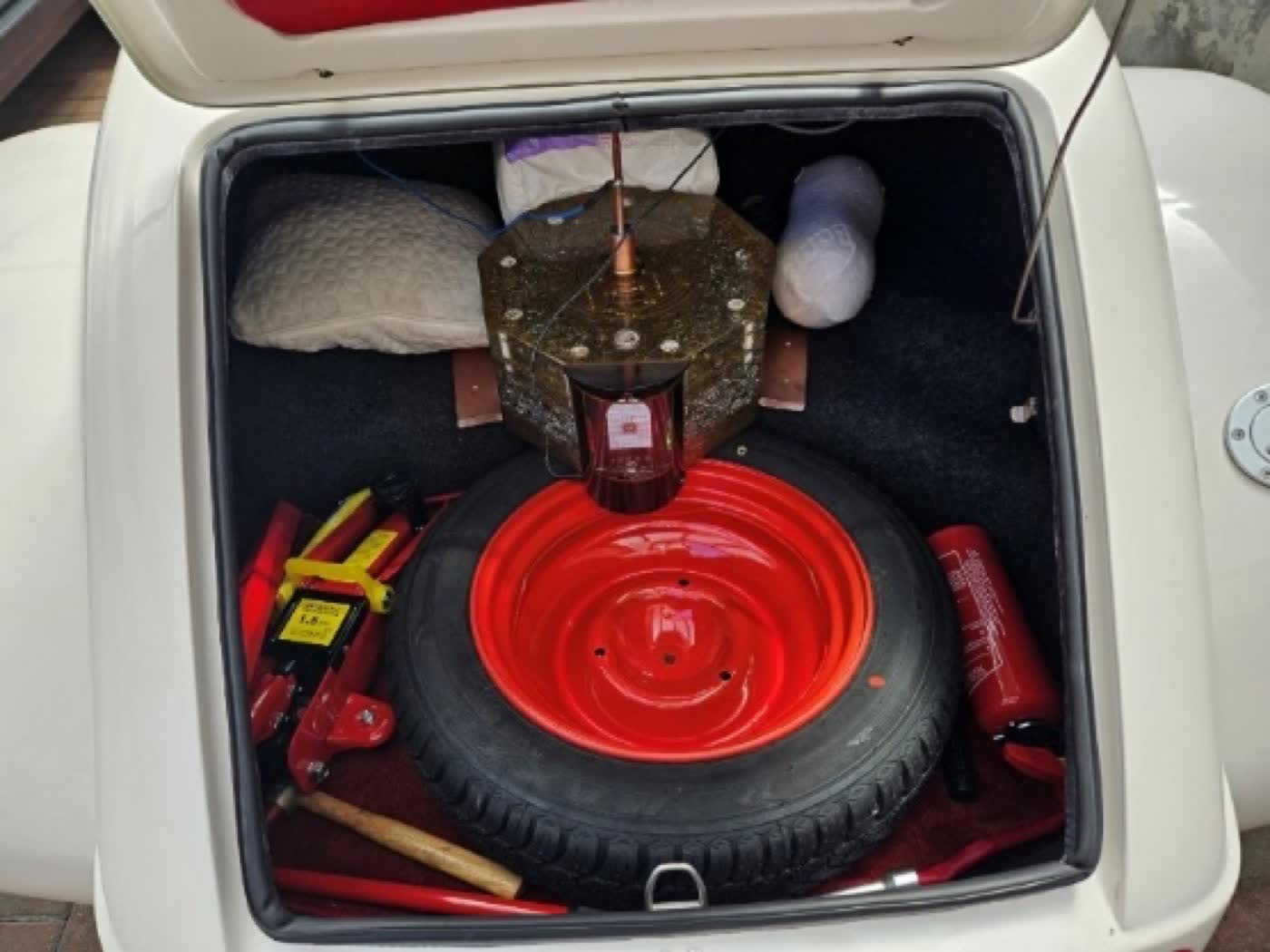
And the ideal, he specified, is an internal combustion engine cooled by air alone, with the generator placed just behind it.
The copper antenna and the copper sheet
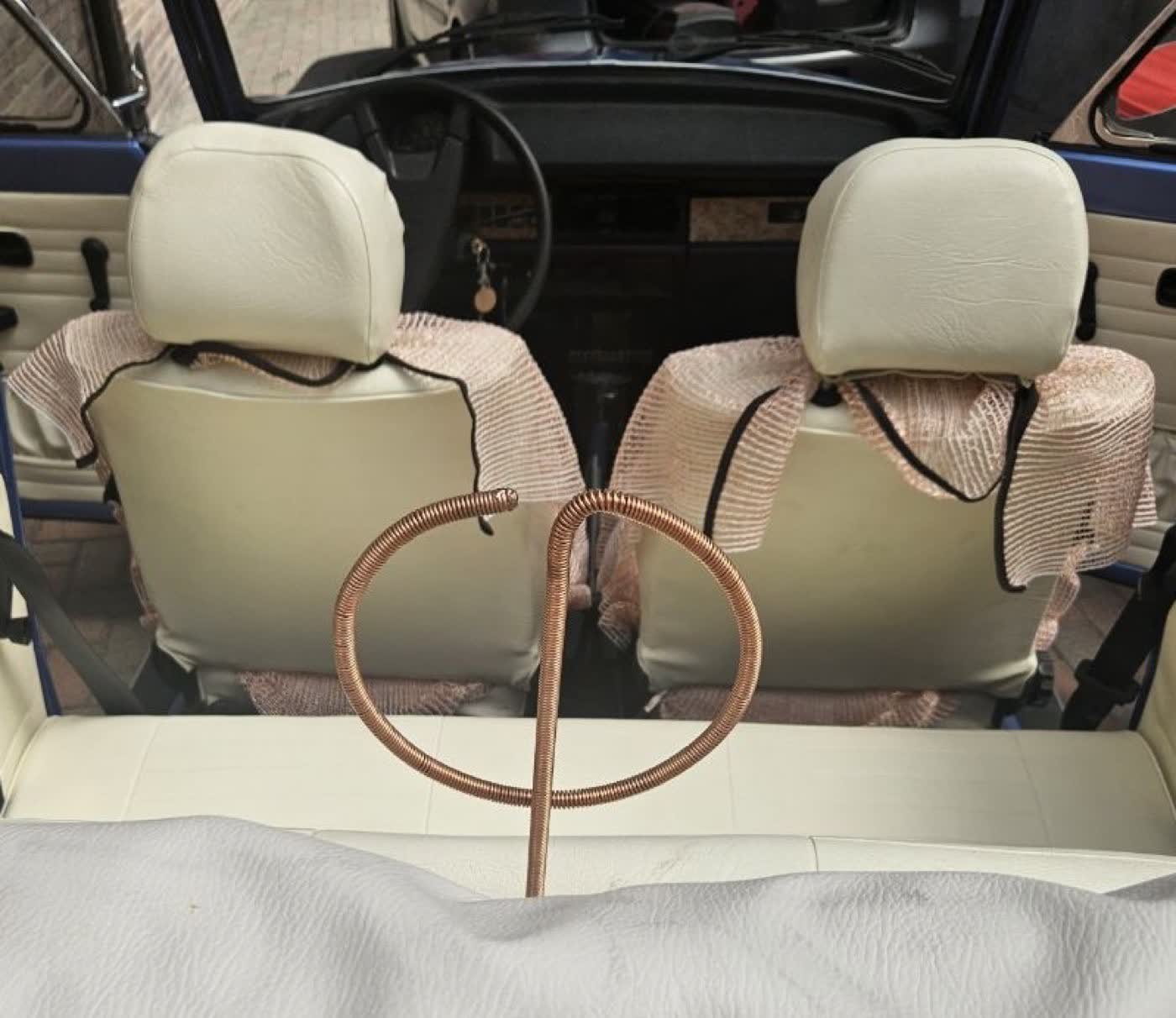
The generator is connected to an antenna of solid red copper. And this antenna has a very particular shape: it must produce a shape wave, a form effect based on the golden ratio, phi. It is the same lesson as the Atlantean ring and Otto Brock's "open phi": geometry acts (see shape waves).
The antenna is itself connected to a red copper sheet that covers all the seats in the vehicle. Driver and passengers thus sit at the heart of the field.
Forty-two kilometres every twenty-eight days
How far do you need to drive? Antoine had a precise answer.
You only need to cover forty-two kilometres every twenty-eight days to feel the benefits of the A.I.O. 144 orgone generator.
Antoine de Saint-Christophe
Once this "charge" is reached, extra kilometres are no longer needed. But they must be covered again at the end of the twenty-eight days: the rhythm of a lunar cycle. And the charge, he noted, is at its highest on the first day of the drive.
A one-hour drive, Antoine wrote, with a natron generator placed just behind an air-cooled engine, "and you're well on your way to feeling on top form".
The first car: the "Champagne" Beetle
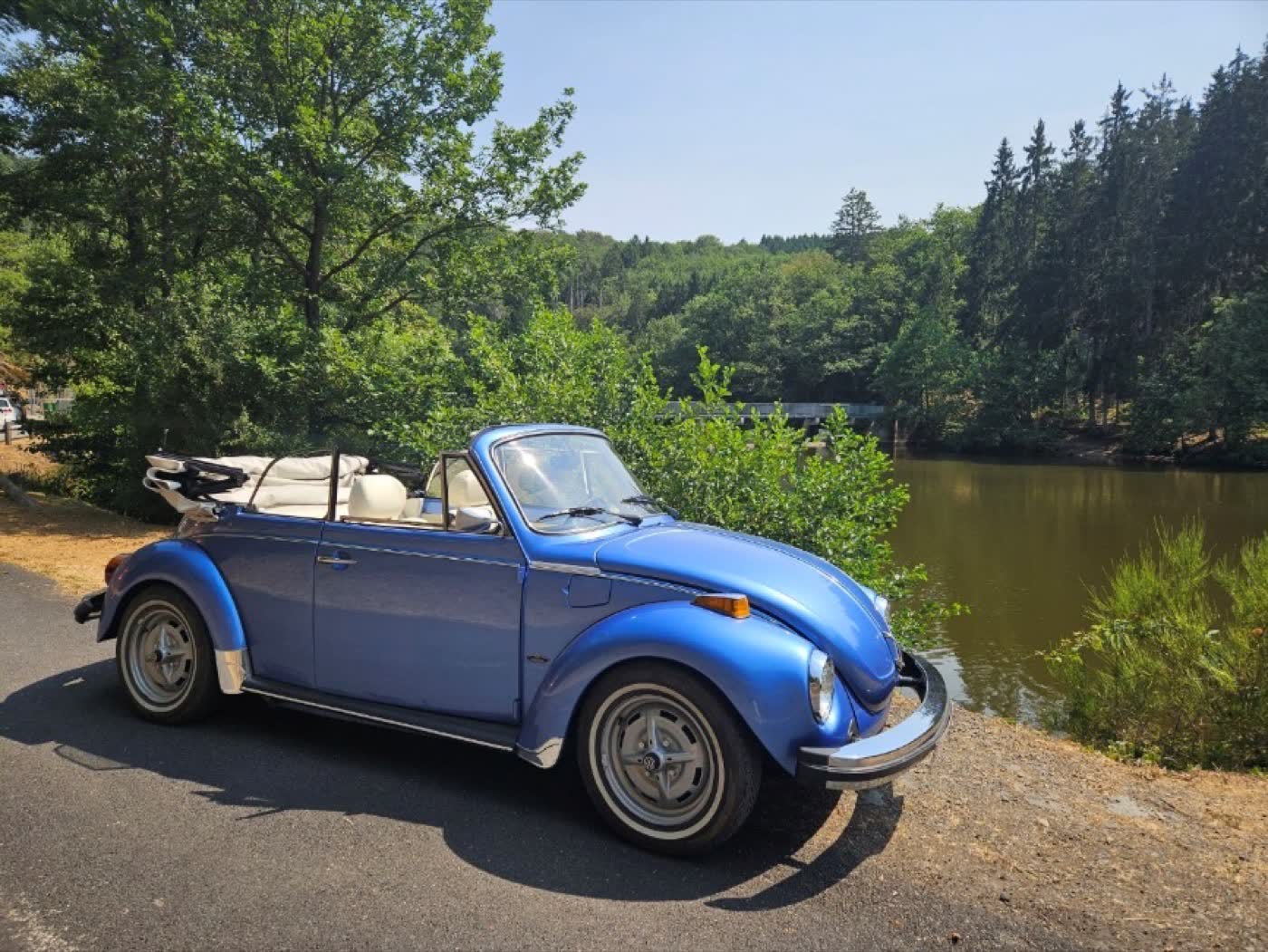
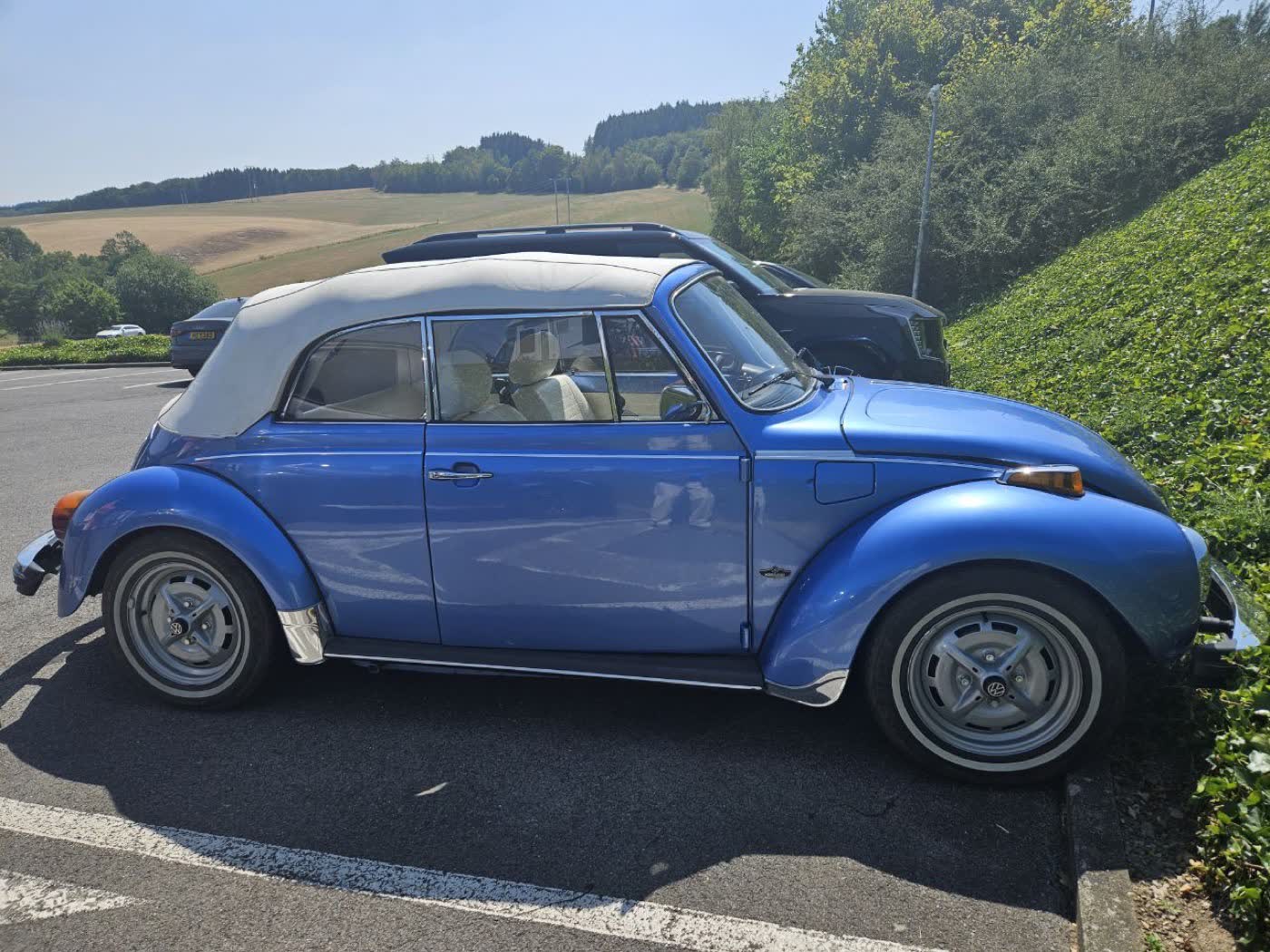
Antoine's first car is a Volkswagen Beetle 1.6 convertible. And not just any Beetle.
Its body is painted Ancona Blue metallic, a very pale blue-green shade inspired by the colour of Ancona duck eggs. Its hood and seats are snow white. This very limited series, mainly intended for the US West Coast, was named the "Champagne" edition by the famous coachbuilder and designer Wilhelm Karmann.
It can take three passengers, and it is suitable for people with reduced mobility.
A car born under the Wheel of Fortune
True to his method, Antoine had studied his car's history and numbers.
It was built on 11 February 1978, in Osnabrück, Germany, and sold to a wealthy San Francisco businessman. 11 February, he noted, is the feast of Our Lady of Lourdes, in memory of the Virgin's first appearance to Bernadette Soubirous, in 1858.
And he had reduced its chassis number, the way you reduce a date of birth: the sum of its digits gives 37, then 3 + 7 = 10. The tenth card of the Tarot de Marseille: the Wheel of Fortune. The symbol of cycles, of life's turning points, of luck that turns. Read: the name is an omen.
For Antoine, even the number plate played its part in catching luck. The three letters on the Beetle's plate, BYD, he read as a motto: Build Your Dreams.
The plate says it all.
A popular saying quoted by Antoine
The second car: the 2CV Burton
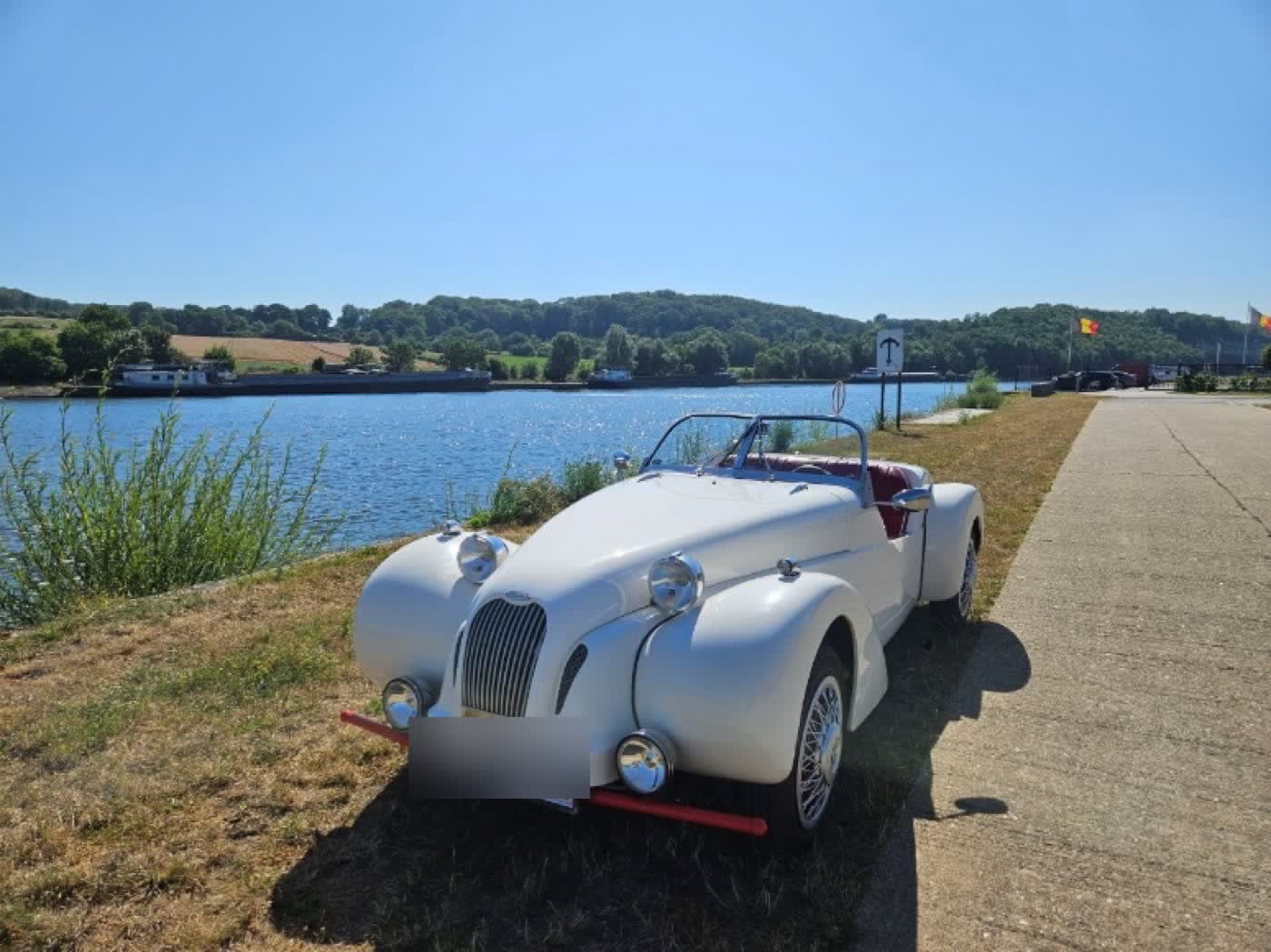
The second car is even more surprising: a Citroën 2CV 6 Burton.
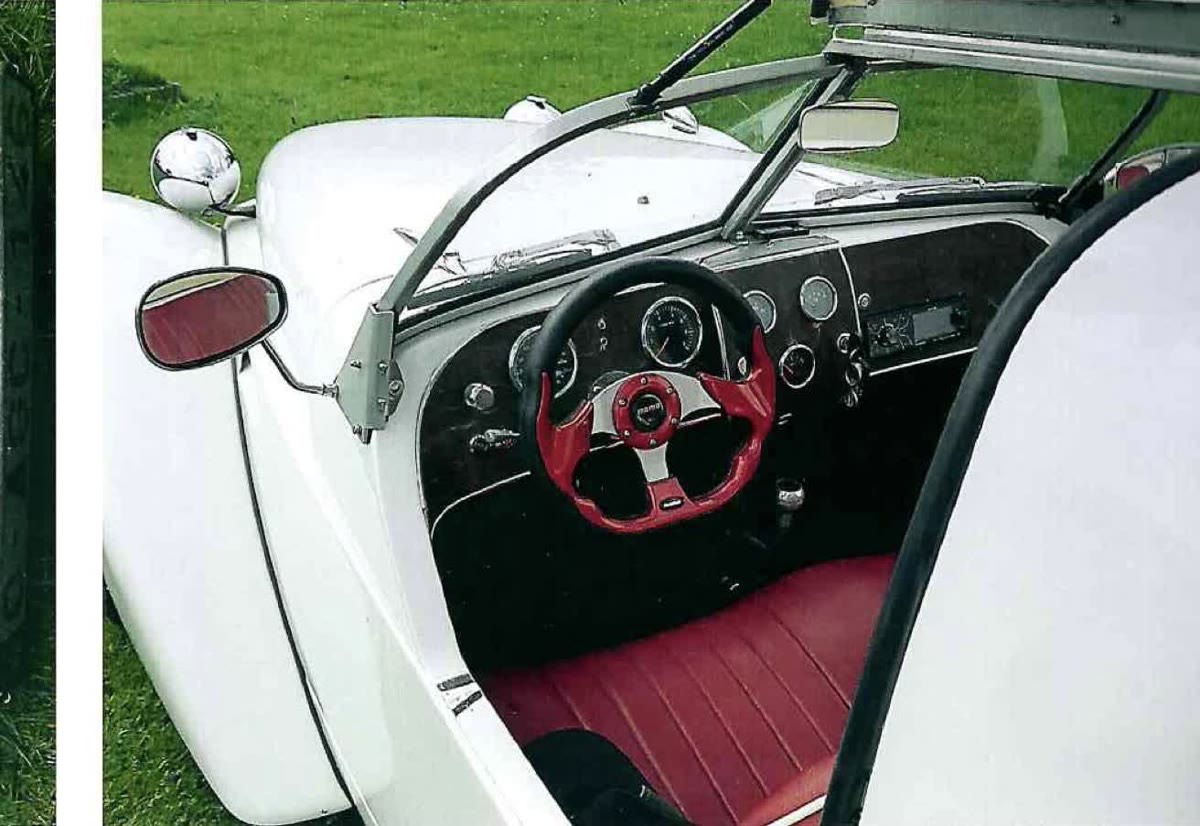
The Burton is a car with character, built on a 2CV base, with 1930s-style bodywork: long curved wings, an upright grille, spoked wheels. Antoine's is off-white, with a red leather bench seat and a wooden dashboard. Convertible or hardtop, under its bonnet it hides the 2CV's small air-cooled 602 cc twin-cylinder engine.
It takes one passenger, and it is reserved for people without mobility difficulties.
Its registration letters, AJH, give according to Antoine's table the same value as its digits: 8, the card of Justice, the right and considered decision. "The plate says it twice!" he joked.
The getaways
Antoine reserved these drives for his friends. He called them the getaways. Here is how they went.
Before setting off
- The passenger gave Antoine their birth details. Antoine calculated their planetary selection and the effect of their current birthday trip. If the time of birth was unknown, he used a personal square combined with a pre-programmed square.
- It was recommended to wear the Platonic solid of the moment, the one for the current Moon window, and a positive phi in red copper.
- There was no set destination: you went wherever the passenger fancied.
In a convertible
Antoine also gave, with humour, a few practical tips:
- bring a scarf, a cap or a neck warmer;
- bring sunglasses, and sun cream if it's hot;
- let Antoine know if you wear a wig or hair extensions;
- and remember to go to the toilet before leaving.
Favourite destinations
Starting from Herstal, Antoine suggested routes of one to two and a half hours, there and back.
| Destination | What you find there | Round trip |
|---|---|---|
| Bassenge and Millen | The "Little Lourdes", then artisan ice cream | 50 km, about 1 h |
| Banneux | The shrine of the Virgin of the Poor | 60 km, about 1 h 10 |
| Tancrémont | The shrine of the Christ of Tancrémont | 70 km, about 1 h 20 |
| Sart-lez-Spa, Jalhay | The market square and an oak more than five hundred years old | 75 km, about 1 h 25 |
| Moresnet-Chapelle | The calvary with fourteen stations | 80 km, about 1 h 30 |
| Spa, Barisart spring | Iron-rich water: bring an empty clear glass bottle, Antoine would tell you what to do with it | 90 km, about 1 h 40 |
Destinations with a ritual
Some getaways came with a rite.
Fouron-Saint-Pierre (Sint-Pieters-Voeren), and its commandery, a major cosmo-magnetic site: a visit to the Charlemagne spring, a trout tasting, and the Teutonic rite. (60 km, about 1 h 10.)
Thorn, in the Netherlands, the little white town: the ritual of the two abbesses. Read: Thorn. (120 km, about 2 h 20.)
Sightseeing trips
And simply for pleasure: the Val de Wanne at Trois-Ponts, Vaals and Valkenburg in the Netherlands with its terraces, thermal baths, caves and castle, the "little Dutch Switzerland" at Epen, or the Rur lake at Simmerath, in Germany, with its boat cruise.
The rules of the getaways
Antoine wrote them down in black and white. The passenger is a friend of Antoine's. They travel at their own risk. Meals, drinks and accommodation are at their own expense. And the car is insured for the whole Schengen area.
These getaways are offered only to friends of Antoine de Saint-Christophe who wish, above all, to improve their quality of life.
Antoine de Saint-Christophe
Orgone at home
No classic car? Antoine suggested other ways of discovering orgone.
Spending an hour in the room where the generators are stored, in the Herstal workshop: "a quick, simple way to get a feel for it".
Renting or buying a Commodore A.I.O. 144, with natron or organic sulphur, for your home. Read: the Commodore.
Nothing is new except what has been forgotten.
Antoine de Saint-Christophe
Would you like to join a getaway, or discover orgone at the workshop? Write to the workshop.
Frequently asked questions
What is an orgone car?
A classic car, almost without electronics, fitted out according to Antoine's strict rules to carry orgone. He had two: a Beetle convertible and a 2CV Burton.
How far do you need to drive?
Forty-two kilometres every twenty-eight days, the rhythm of a lunar cycle.
What were the getaways?
The drives Antoine reserved for his friends, on board his orgone cars.