Luck isn't (only) chance
There are two kinds of luck. The first is pure chance: a roll of the dice, a draw, a game of chance. Nobody controls that one. No ritual, no object, no number changes the result of a draw. We say so right at the start, because it's true, and because many pages promise the opposite.
The second is luck in life: the meeting that comes at the right time, the idea that arrives, the door that opens. That one depends partly on you. On what you notice, the people you come across, the moment you choose, the way you bounce back.
That's the luck this page is about. And it's the luck the whole tradition talks about: luck is not chance, it has its moments, its places and its gestures.
What psychology has observed in "lucky" people
Around the turn of the 2000s, the British psychologist Richard Wiseman followed, for years, several hundred people who described themselves as very lucky or very unlucky. He drew a book from it, The Luck Factor (2003).
His most famous experiment is disarmingly simple. He gives his volunteers a newspaper and asks them to count the photos. The "unlucky" take two minutes on average. The "lucky", a few seconds. Measure the gap: two minutes on one side, three seconds on the other, for the same page. Why? Because on page two, a message in very large type said: "Stop counting: there are 43 photographs in this newspaper." Some saw it; the others, focused on their task, went past without reading it.
Wiseman drew four principles from it, detailed in the 4 principles of lucky people and in the newspaper experiment. They are our first four pointers.
Pointer 1. Multiply opportunities. Lucky people talk to strangers, change their route, try new things. They don't force fate: they give it more doors to open.
Pointer 2. Listen to your intuition. They take their hunches seriously, and they take the time to hear them (calm, walking, writing).
Pointer 3. Expect luck. Not out of naivety, but because someone who expects a good result perseveres longer, and more often ends up getting there.
Pointer 4. Transform bad luck. Lucky people see the way it could have been worse, learn a lesson, and set off again. The black swan, the unexpected, becomes a starting point for them.
No magic: a way of paying attention to the world. And that's exactly what traditions tried to cultivate, with other tools.
The right moment: lucky days, Moon, seasons
Tradition has always said there are moments when everything seems easier. Not because the sky decides for us: because choosing your moment is already acting with attention. Whoever chooses their day no longer lets chance choose for them.
Pointer 5. Choose your days. The Perpetual Table of Days counts 52 lucky days, about one a week. The old text that comes with it tells of a farmer who "sowed and transplanted nothing except on the lucky days". You note them in your diary, and you keep them for what matters: you sign, you launch, you ask. Count them: fifty-two, as many as there are weeks in the year. The dates for the current month are in the lucky days, month by month.
Pointer 6. Follow the Moon. Each month, the 4 Moon windows open in turn: momentum, connection, speech, foundations. You start at the new Moon, you consolidate at the last quarter.
Pointer 7. Know your season. Your year begins on your birthday, and it divides into 7 seasons of 52 days. Some push you forward, others ask you to be patient.
The right place
Pointer 8. Go where luck has a history. People have always gone to certain places to leave a wish: a chapel, a spring, a tree, a stone. In Belgium, tradition knows many of them: they are gathered in finding luck through a place. The most important place is still your home: a tidy, well-lit space where you feel good is tradition's first "lucky charm".
And on your birthday, the place where you are changes the chart of your year: that's the principle of the birthday trip.
The right gesture: rituals and lucky charms
Pointer 9. Give your wish a form. A ritual is nothing complicated: a chosen moment, a simple gesture, a clear intention. You write your wish, you light a candle, you tie a thread to the tree of luck, you touch wood. There's no power in the gesture itself: the gesture fixes the intention, and the intention changes the way you look at things.
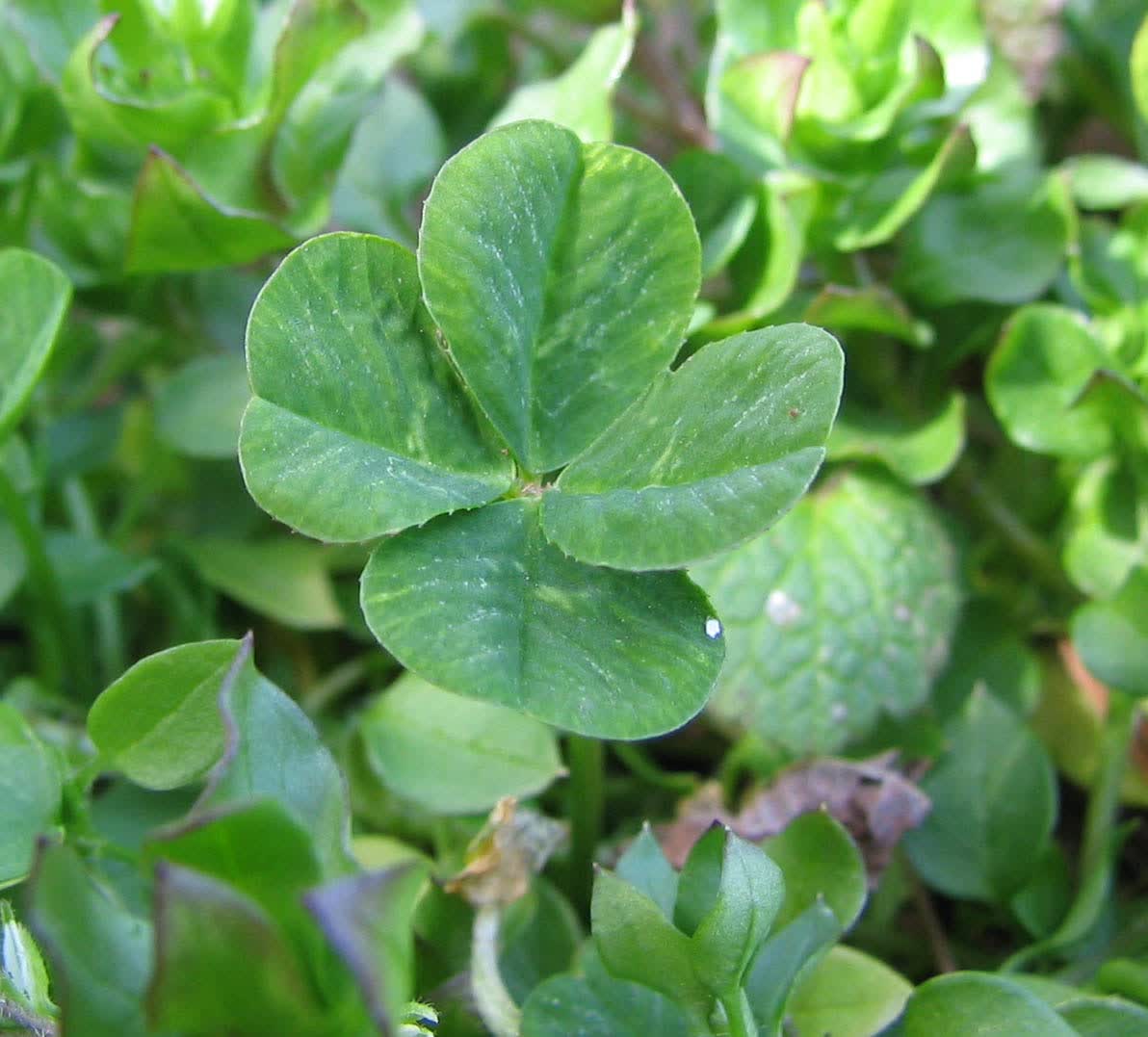
Pointer 10. Choose a lucky charm that means something to you. Clover, horseshoe, beckoning cat, Buddha Foot, the figure of Fortuna Major: every culture has its own. A lucky charm doesn't act on its own; it reminds you of what you have decided. Discover them in pentacles and talismans. And vervain, whose French name gave the expression "avoir de la veine", to be lucky: vervain, towards luck.
The right number and the right square
Pointer 11. Know your numbers. The tradition of numbers gives everyone a birth number and a personal magic square. They aren't formulas that "attract" anything: they are markers, a way of knowing yourself and choosing your dates.
Your sky: Jupiter and the Part of Fortune
Pointer 12. Look at your birth sky. In astrology, two points speak of luck. Jupiter, the "greater benefic", shows the area where you most easily find momentum and openness: see Jupiter in the twelve rooms of your house. And the Part of Fortune, a point calculated by the Arab astrologers from the Sun, the Moon and the ascendant, traditionally shows where good fortune "falls". Your free birth chart shows you both.
What luck is not
To be honest all the way, a few limits:
- gambling: no gesture, no number, no date changes the outcome of a draw, a casino or any game of chance. We offer nothing here to "beat the odds" at gambling, and we advise against those who do;
- promises: be wary of anyone who promises you money, love or success. Tradition accompanies you; it guarantees no result;
- other people: luck isn't taken from someone. Rites meant to harm have no place here;
- health: a lucky charm never replaces a doctor.
To understand why some people always seem to be lucky, read why some people are always lucky and synchronicities.
Where to start this week
Twelve pointers is a lot, and nobody keeps them all. Start with three gestures, and that's already good:
- Find the next lucky day in your diary, and keep it for one single step you keep putting off.
- Change a habit: another route, another café, a conversation with someone new. You multiply opportunities.
- Write your wish on a piece of paper, in one sentence, on the evening of the new Moon. Reread it at the full Moon.
Then watch, like the farmer in the old text, who sowed nothing outside his days. The 12 kinds of luck and the whole luck section are there to take you further.
For entertainment and self-reflection.
Frequently asked questions
How do I attract luck to myself?
Psychology has observed that "lucky" people multiply opportunities, listen to their intuition, expect good results and bounce back after a failure. Tradition adds the choice of the moment (lucky days, the Moon), the place, and a simple gesture that fixes the intention.
How do I attract luck into my home?
Tradition starts with the place itself: tidy, air, light, clear the entrance and the centre. People like to add an object that means something to them, and feng shui suggests reading the home with the Lo Shu square.
Can I attract luck at gambling?
No. No ritual, no number, no date changes the chance of a draw or a casino game. The pointers on this page are about luck in life (meetings, opportunities, decisions), not gambling.
What is the luckiest day of the year?
The Perpetual Table of Days counts 52 lucky days, which come back on the same dates every year. It also names one special moment, July 23 at 11 pm, presented as the only lucky "Egyptian moment" of the year.
Does a lucky charm really work?
No study shows that an object changes the course of events. But a carefully chosen lucky charm reminds you of the intention you put into it, and can give you confidence when it's time to act: that's its real strength.